Political Crossroads: Britain on the Brink as By-Election Looms
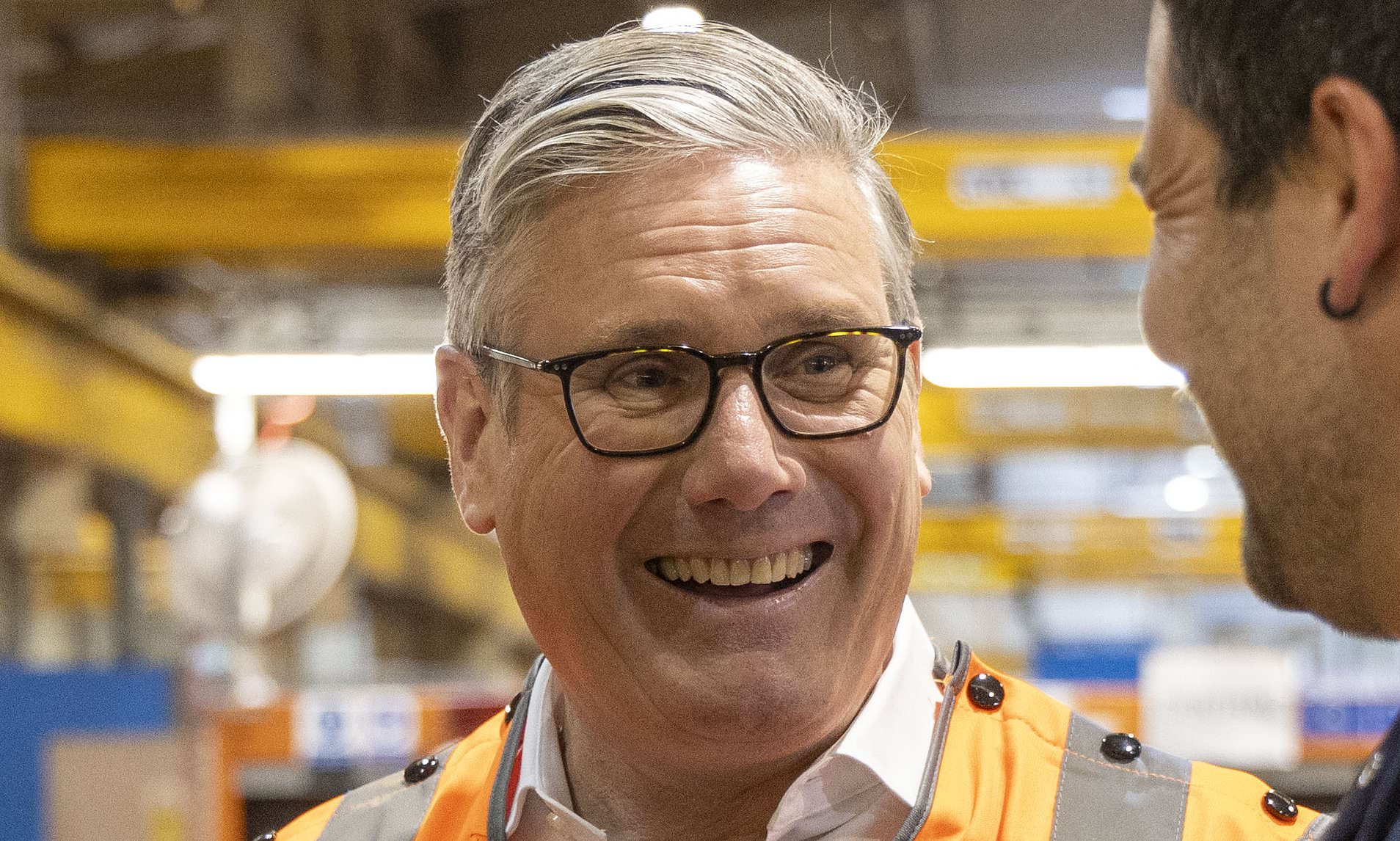
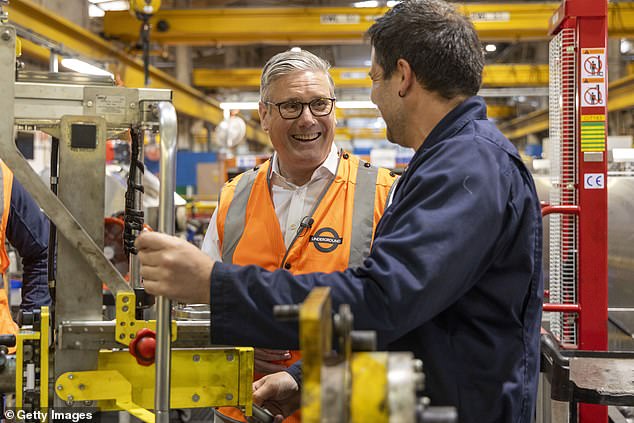
Britain finds itself in a peculiar political vacuum, a state of suspended animation, as Andy Burnham’s by-election campaign ignites. The prospect of Keir Starmer remaining Prime Minister after the next general election is a dim one, with only a small fraction of the electorate holding this view. However, the immediate future of his leadership, and indeed his presence in Number 10, is shrouded in even greater uncertainty. The crucial question isn’t just who will lead the country after the next election, but whether Starmer will even be at the helm in the coming weeks.
The electors of Makerfield are now at the epicentre of this political drama, facing an unusual quandary. Those who are determined to unseat the current Prime Minister and fundamentally reshape the Labour government are compelled to cast their vote for… Labour. This presents a fascinating paradox, forcing voters with a singular objective into an unexpected corner.
Conversely, for the segment of the electorate who believe Keir Starmer is being unfairly maligned, is navigating impossible circumstances with competence, and deserves more than a mere two years in office after a decade and a half of Conservative rule – and such individuals are more numerous than one might imagine – their strategic vote would be for Reform UK. It is, as the saying goes, a truly peculiar state of affairs.
The coming fortnight will reveal whether the Wigan constituency will become the launchpad for Burnham’s aspirations, or if – driven by dissatisfaction with Labour, the allure of Reform, or a sheer, stubborn refusal to conform – they will choose to disrupt the established order and throw a spanner in the works. There is an undeniable public sentiment against the perception of politicians orchestrating their own power plays, a sentiment keenly felt by ordinary citizens. As one participant in focus groups last week wryly observed, “It would be very funny if he didn’t get in.”
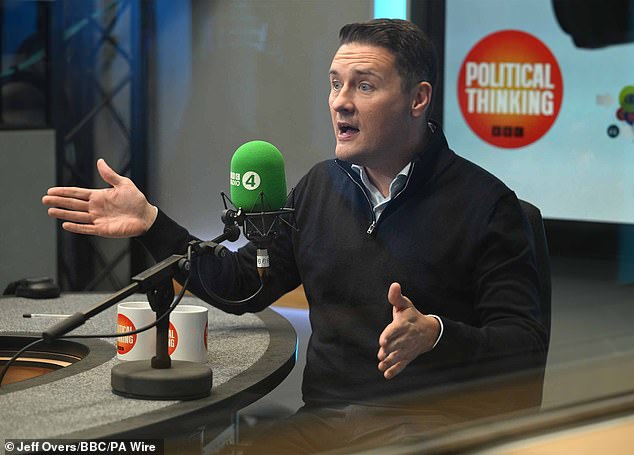
Should Makerfield opt against compliance, the pressure on Starmer’s leadership will undoubtedly intensify. Wes Streeting has already made his ambitions known. In discussions with focus groups, those who had formed an opinion of Streeting generally viewed him favourably.
He was perceived as less confrontational and more relatable, possessing a “normal” quality that stood out amongst the political elite. However, some questioned whether a “nice man” was precisely what Britain required at this juncture. For those with more pressing concerns than following the ongoing political narrative, Streeting remained largely an unknown quantity. “I only heard of him on the news on the way here just now,” one individual remarked, highlighting his lack of widespread recognition.
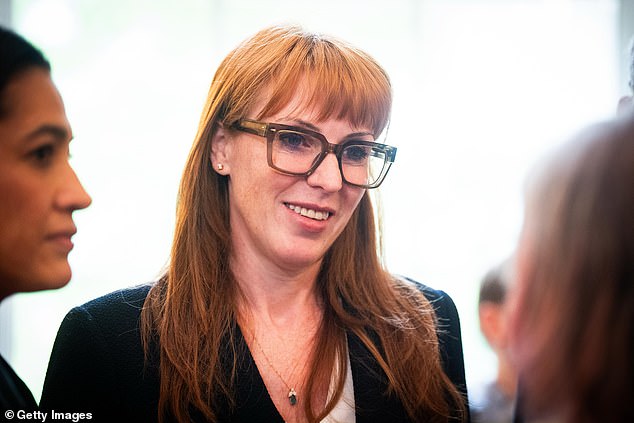
Angela Rayner, another potential contender should Burnham be unsuccessful and return to his mayoral duties, continues to elicit strong and polarised reactions. However, if she believes that being cleared by HMRC regarding her £40,000 stamp duty underpayment equates to a clean slate with the voters, her assessment may prove to be a miscalculation. “She lost her job because of the tax dodge, and suddenly she’s back in like it never happened!” exclaimed one participant, voicing a sentiment of disbelief.
Others perceived a deliberate manoeuvre: “They don’t clear anybody normally, do they, once HMRC get hold of you. That wouldn’t happen for a normal person if they hadn’t paid their taxes.” The lingering mistrust is palpable.
Rayner’s supporters might counter by pointing to Green Party leader Zack Polanski, his reported failure to pay council tax while residing on a houseboat, and the questionable embellishments to his employment history. Green Party loyalists, in turn, could deflect by bringing up Nigel Farage and his substantial £5 million gift from crypto entrepreneur Christopher Harborne. This would likely prompt Reform UK enthusiasts to resurrect tales of lucrative PPE contracts awarded to Conservative associates, perpetuating a cycle of partisan deflection.
As has been demonstrably observed with figures like Donald Trump, fervent supporters often remain unmoved by the perceived flaws of their chosen leaders. This is not least because their primary focus is on what those leaders will achieve, rather than on their personal conduct.
The unfortunate consequence of such controversies is that individuals who initially sought to present themselves as fresh and distinct often end up appearing indistinguishable from the established political class. Current polling data indicates that both Streeting and Rayner lag behind Kemi Badenoch in the “best Prime Minister” stakes, while Burnham, if he were to enter the race, would lead by a significant 13 points.
If Makerfield gives its assent to Burnham’s ambitions, the expectation of a successful challenge to Starmer’s leadership will become a near certainty. But then, what follows?
A substantial proportion of Labour voters, just under 40%, believe the government’s performance would improve with a change in leadership. While this is a significant bloc, it is by no means unanimous. In focus group discussions, impressions of Burnham tend to be favourable. Participants often cite his administrative experience, his proven track record in winning elections, and his evident popularity as factors that ought to carry considerable weight.
However, for the broader electorate, the most probable outcome of a change in Labour’s leadership is a continuation of the status quo. Tony Blair’s assertion that Labour’s fundamental issue lies not with the personality of its leader but with its lack of a “worked-out, coherent plan for the country” – a statement that the party is unlikely to forgive him for, given his historical success – is undeniably accurate.
Furthermore, there is a prevalent fear among the public of a return to the relentless cycle of leadership contests they believed they had escaped with the departure of the Conservatives.
This sentiment also colours the discussion around rejoining the European Union, a policy favoured by Streeting and, at one point, by Burnham himself before he had to consider the views of his Brexit-supporting constituency. Just over half of the population believes that life in Britain has deteriorated since leaving the EU, and a similar proportion indicated they would vote to rejoin. However, a closer examination reveals a distinct lack of enthusiasm for reigniting the Brexit debate or for accepting the likely conditions of re-entry.
A clear majority of the public opposes adopting the euro, a fundamental requirement for any nation seeking EU membership. Even more emphatically, a significant portion of the electorate deems it unacceptable to pay the increased membership fees that Brussels would undoubtedly demand.
The parallels between the Brexit saga and the current leadership challenges within the Labour Party are striking. Rejoining the EU is no more a panacea for Britain’s economic ailments than replacing Keir Starmer is a solution to Labour’s internal struggles. Neither addresses the core issues: an unproductive economy and a state that consistently overspends its means.
The leader who can genuinely confront and resolve these fundamental challenges, irrespective of their party affiliation, will be the one who truly deserves to win the public’s mandate.
Lord Ashcroft is a distinguished businessman, philanthropist, author, and pollster. His extensive research and analysis can be found at LordAshcroftPolls.com. You can also follow him on X/Facebook at @LordAshcroft.