Republican Senators Push Back Against Controversial “Slush Fund”
A significant number of Republican senators are reportedly urging President Donald Trump’s administration to dismantle a controversial $1.8 billion fund, often labelled a “slush fund,” which critics fear could allow individuals, including those involved in the January 6th Capitol riot, to access millions in taxpayer money. The fund, officially known as the “Anti-Weaponization Fund,” has drawn sharp criticism from across the political spectrum, with concerns mounting about its potential misuse and the negative optics it presents for the Republican party heading into crucial midterm elections.
The $1.776 billion fund, established by the Justice Department, is intended to provide payments to individuals who believe they have been unfairly prosecuted under previous Obama and Biden administrations. However, the sheer scale of the fund, coupled with current economic pressures such as high petrol prices and rising grocery costs, has sparked significant backlash. Allies of the President, including some who have historically been staunch supporters, are expressing anxiety that the fund’s existence could damage the party’s prospects in the upcoming elections.
Key Criticisms and Concerns:
- Potential for Misuse: A primary concern is that the fund could be exploited by individuals with questionable claims, potentially including those involved in illegal activities, to receive taxpayer-funded payouts.
- Economic Timing: The timing of the fund’s creation, amidst widespread economic hardship, has been widely condemned as insensitive and out of touch.
- Political Optics: Critics argue that the fund creates a negative public image for the Republican party, suggesting a disregard for fiscal responsibility and a potential for favouritism.
Loyalists, such as Senator Lindsey Graham of South Carolina, have reportedly privately implored President Trump to abandon the initiative. Publicly, the opposition is even more vocal. Several Republican senators have joined Democrats in denouncing the fund. Senator Thom Tillis famously described it as “stupid on stilts,” while Senator Mitch McConnell labelled it “utterly stupid, morally wrong.” Senator John Curtis has also stated his strong disapproval, declaring he does not like the fund “at all.”
Fierce Opposition in Closed-Door Meetings
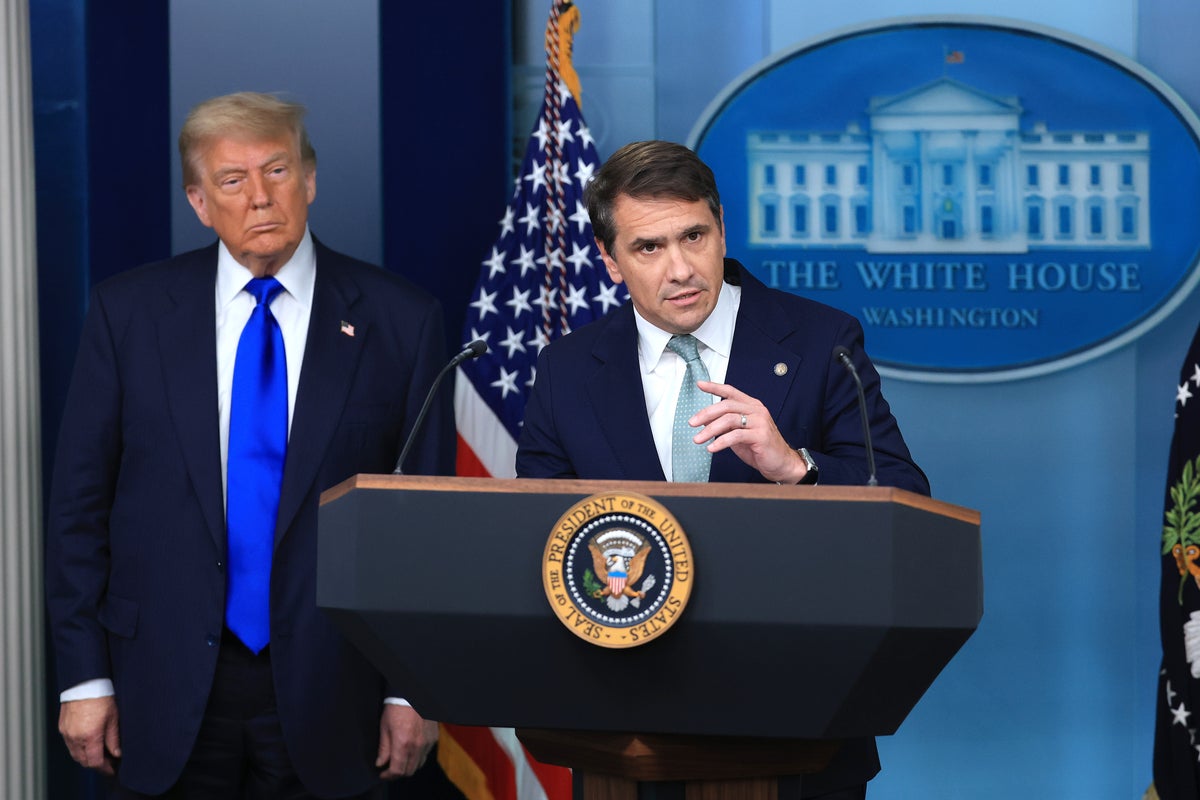
The extent of the opposition became starkly apparent during a recent closed-door meeting where Acting Attorney General Todd Blanche reportedly faced intense scrutiny from Republican colleagues. Senator Ted Cruz revealed that Republican senators were “screaming” at Blanche during this session. Cruz described the meeting as “fiery,” noting that out of approximately 45 senators present, at least half were vociferously criticising the Attorney General.
The “Anti-Weaponization Fund” was announced by Blanche as a settlement to a lawsuit involving President Trump, his adult sons, and his business against the IRS. However, the backlash suggests that the rationale behind the fund has not resonated with many within the President’s own party.
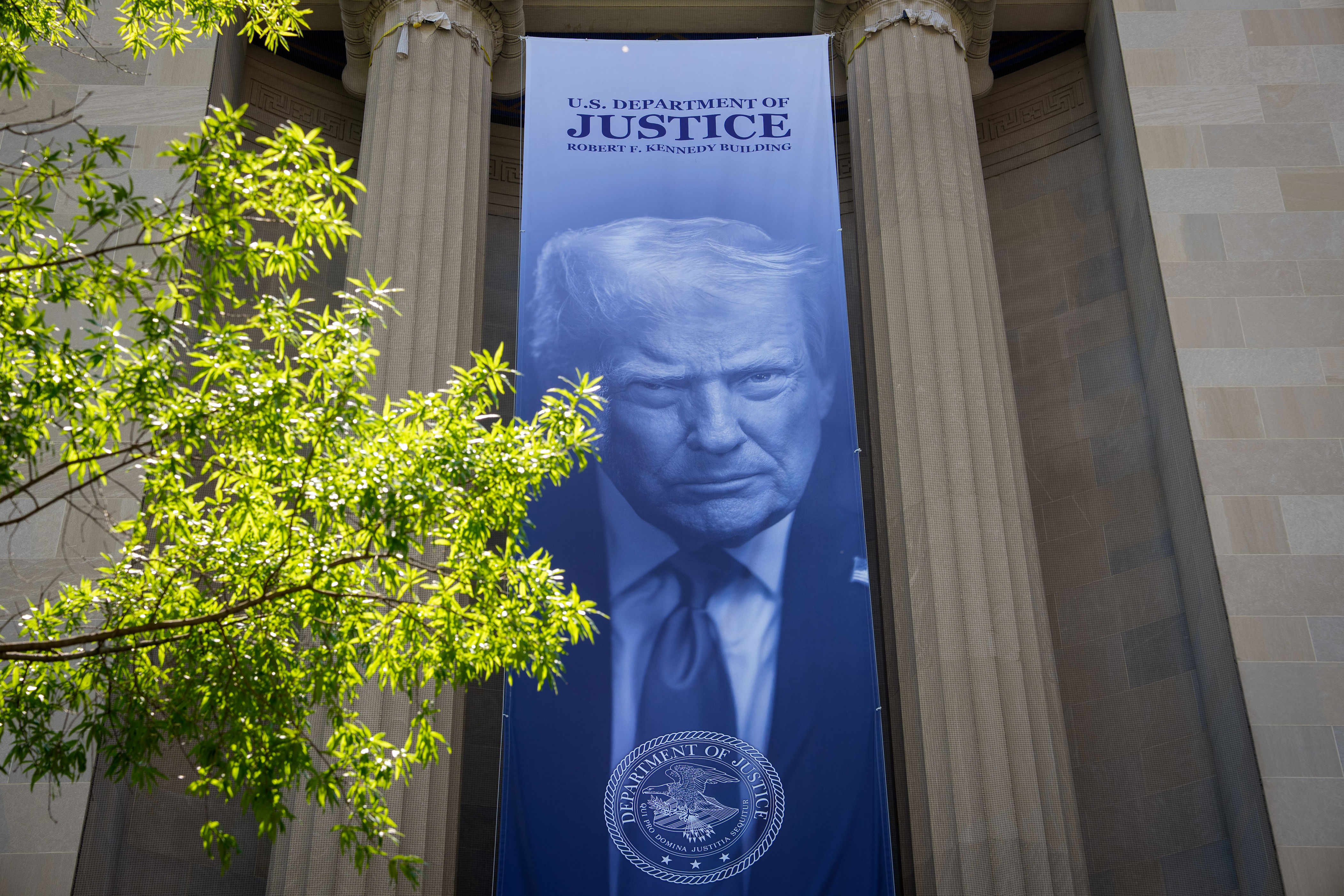
The controversy surrounding the fund has had tangible consequences, even delaying a crucial Senate vote on funding for the President’s signature immigration enforcement agenda. This delay highlights the significant disruption the fund has caused within the Republican legislative strategy. Sources familiar with the matter have indicated that some of the President’s aides are now considering the possibility of scrapping the $1.776 billion “Anti-Weaponization Fund” in exchange for securing the passage of the immigration enforcement funding.
Legal Challenges and Growing Doubts
Adding to the mounting pressure, the fund is already facing legal challenges. A federal judge has issued an order temporarily halting the fund’s implementation, pending a determination on whether it should be paused for a longer period. This legal hurdle further complicates the administration’s efforts to move forward with the controversial initiative.
Administration officials are reportedly becoming increasingly concerned about the fund’s long-term viability. While President Trump has not yet formally agreed to abandon the fund, he has reportedly conveyed to allies that he understands the issues and concerns being raised. The continued public and private opposition, coupled with legal setbacks, suggests that the future of the “Anti-Weaponization Fund” remains uncertain.