Intensifying Rivalry in the Democratic Party of Korea
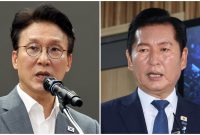
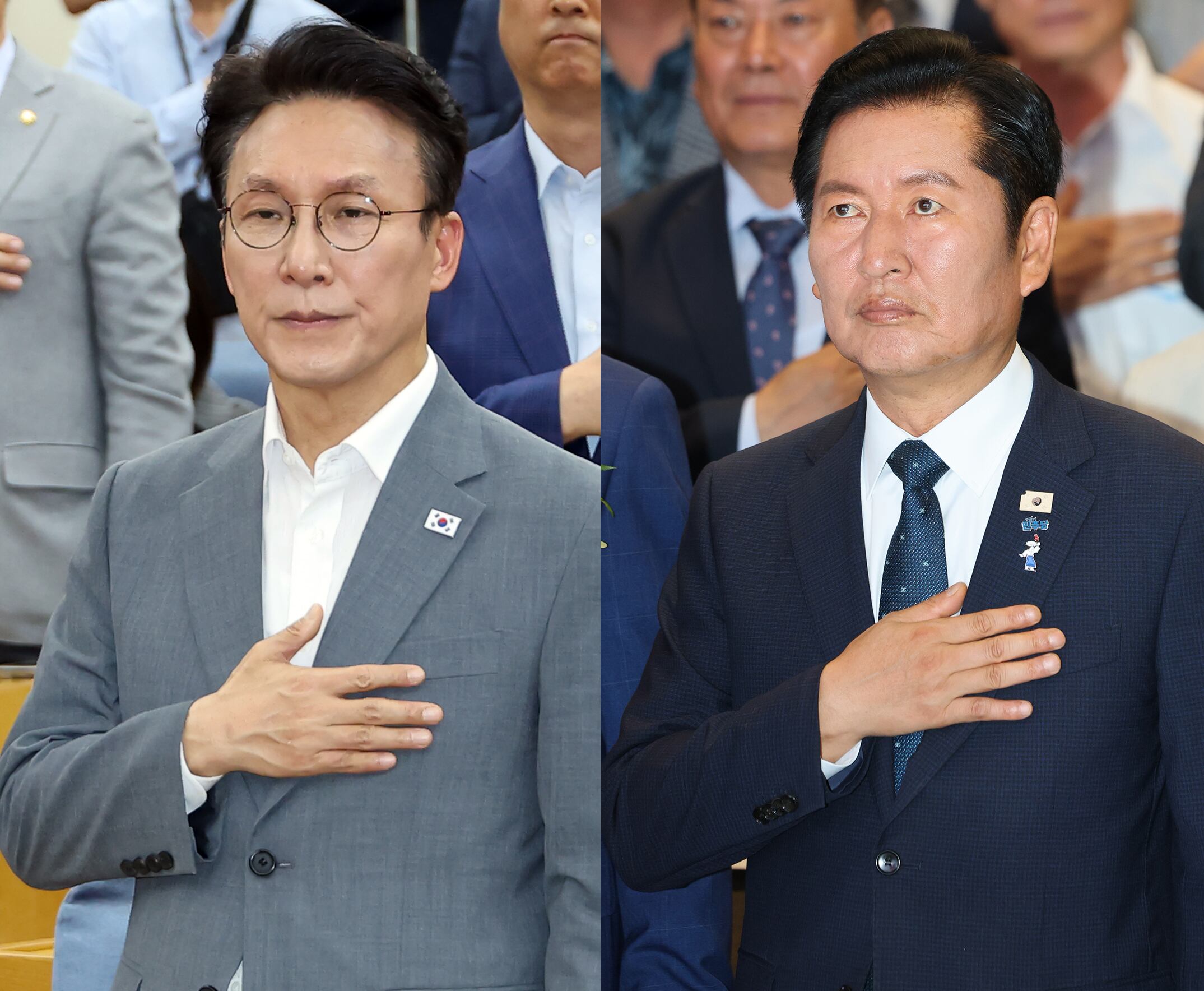
The leadership race within the Democratic Party of Korea has escalated into a fierce and contentious battle, often described as a “grave-digging war” as candidates scrutinize each other’s past actions. The current conflict involves high-profile figures such as former Prime Minister Kim Min-seok and former Representative Jung Chung-rae, who have exchanged sharp criticisms over their political conduct.
Kim Min-seok accused Jung Chung-rae of engaging in self-serving politics over the past year, highlighting what he sees as a lack of integrity in Jung’s actions. In response, Jung criticized Kim for his previous remarks about having a “long-held romantic aspiration to become party leader” during his tenure as prime minister. Jung argued that these comments were an example of self-serving politics that stirred unnecessary controversy.
Kim also addressed criticism from pro-Cheong Wa Dae factions regarding his actions during martial law, stating, “It feels like the Daejang-dong scandal all over again. Apologize.” This reference to a past scandal underscores the gravity of the accusations and the deep-rooted tensions within the party.
On the 7th, Jung took to Facebook to express his disagreement with claims that he created discord with Cheong Wa Dae through self-serving politics. He emphasized that Kim’s remarks about his “long-held romantic aspiration” were inappropriate and made without regard for time, place, and circumstance. These comments further fueled the ongoing debate over what constitutes self-serving behavior in political leadership.
Speaking to reporters on the same day, Kim questioned which of several issues could be considered self-serving politics. He listed the merger issue led by Jung, shortcomings in prosecutorial reform, election nominations, lack of intra-party discussion, poor coordination between the party and government, and his own mention of the “long-held romantic aspiration” remark. Kim urged party members to evaluate these issues carefully, suggesting that the time had come for a thorough assessment of the party’s direction.
Factional Proxy Battles in the Supreme Council Election
The Supreme Council election has also taken on the character of a factional proxy battle. Pro-Myung Lee Geon-tae, who declared his candidacy on the same day, targeted Jung by stating, “As a Supreme Council member, I will eradicate this chronic discord and ensure no margin of error—even 1 millimeter—between the party, government, and Cheong Wa Dae.” This statement highlights the urgency of resolving internal conflicts within the party.
Pro-Cheong Wa Dae Lee Seong-yun, also running for the Supreme Council, reiterated his previous question to Kim: “What party members and citizens want to know is simple: Why did you fail to participate in the martial law repeal vote?” This question reflects the public’s desire for transparency and accountability from party leaders.
Rep. Han Min-soo, a former chief of staff to Jung and considering a Supreme Council bid, cited a friend’s remarks about discomfort toward Kim’s description of his role in the Roh Moo-hyun–Chung Mong-joon unification as “throwing himself into it” during his candidacy announcement. This comment suggests that even some within the party are questioning Kim’s approach and motivations.
Expanding the Leadership Race
Amid this turmoil, Rep. Song Young-gil and pro-Moon administration Rep. Ko Min-jung are set to declare their candidacies for the August 17 party convention on the 8th. This development pushes the party leadership race into a four-way contest, intensifying the competition and raising the stakes for all involved.
As the race continues, the Democratic Party of Korea faces significant challenges in uniting its members and addressing the concerns of both party supporters and the broader public. The outcome of this leadership struggle will likely shape the party’s future direction and its ability to effectively represent its constituents.