2026 Federal Budget: Winners and Losers on the Road
The 2026 Federal Budget has been unveiled, offering a mix of commitments and surprises for Australians, particularly those who drive. With a theme of “resilience and reform,” the budget includes a range of initiatives that span various sectors, including transport, healthcare, and small business support. However, one area that has drawn particular attention is the impact on motorists.
Winners
Affordable EV Buyers
One of the key wins for electric vehicle (EV) buyers is the extension of the fringe benefits tax (FBT) exemption. This means that cars priced up to $75,000 will continue to qualify for a 100 per cent FBT exemption until 31 March 2029. This change is expected to make EVs more attractive for employees who receive them as part of their employment benefits.
Electric and Plug-in Hybrid Vehicle Owners
The budget also includes a $40-million funding commitment over the next four years to expand the availability of public EV chargers. This investment aims to support the growing number of electric and plug-in hybrid vehicle owners by making it easier for them to travel across the country.
New-Generation Mechanics
A $15.4-million investment has been allocated to enhance workshop and skills capability for the sale, service, and repair of electric vehicles. This initiative is designed to ensure that mechanics are well-equipped to handle the increasing demand for EV maintenance and repairs.
Petrol and Diesel Buyers
Despite the focus on electric vehicles, the budget still includes a continued commitment of $3.6-million over two years to conduct real-world fuel consumption testing for passenger vehicles. This funding is intended to provide accurate data on the performance of traditional fuel-powered vehicles.
Road Safety
Over $600 million has been allocated over four years for the accident ‘Black Spot’ road safety initiative. This program aims to identify and improve high-risk road locations, ultimately reducing the number of accidents and saving lives.

Losers
Petrol and Diesel Users
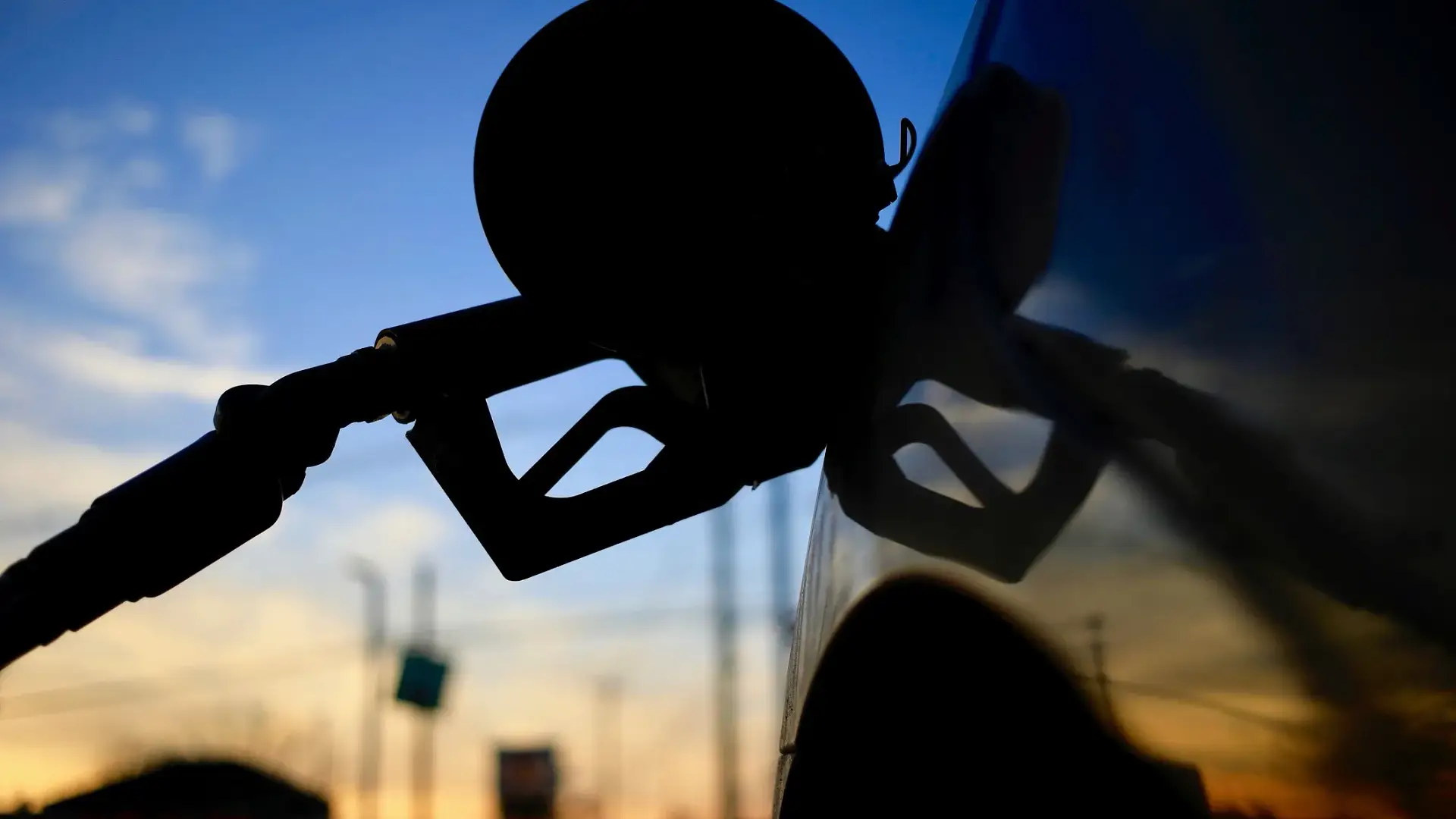
While the fuel excise cut saved a collective $2.9 billion, this relief is set to end on 30 June. Forecasts suggest that excise revenue will rise by over 37 per cent over the next four years, which could lead to higher fuel prices for drivers.
Anyone Expecting a Parcel
With $40 million allocated for electric delivery vans, Australia Post’s services are expected to become even quieter and less noticeable. This shift may result in fewer doorbell rings for recipients of deliveries.
No Change
Luxury Car Tax (LCT)
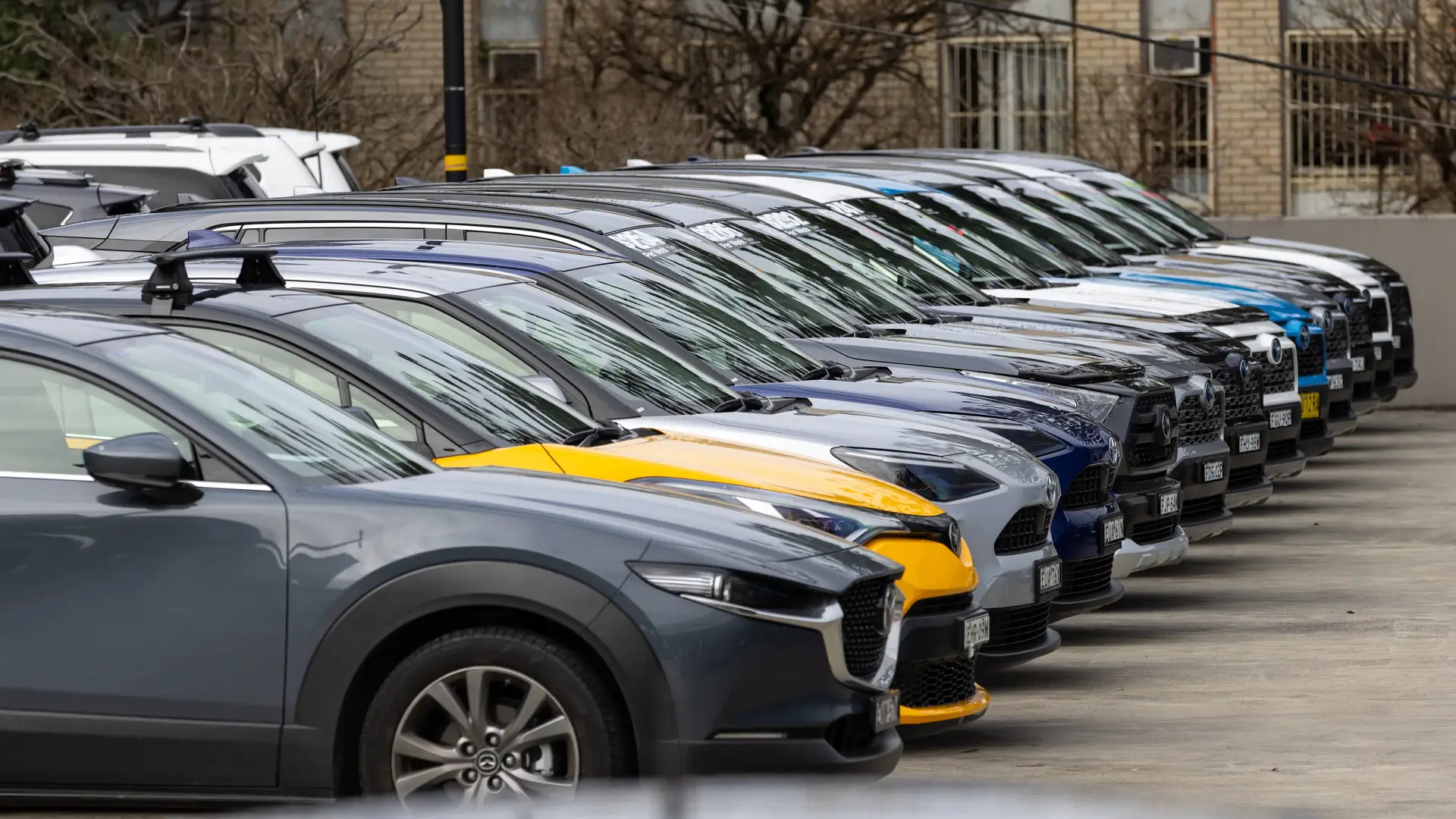
There are no meaningful changes to the Luxury Car Tax, which is forecast to generate approximately $1.1 billion in revenue until FY30. This means that the current thresholds and rates will remain unchanged.
Instant Asset Write-Off
The Instant Asset Write-Off for small businesses remains at $20,000. This allows eligible businesses to claim an immediate deduction for the purchase of certain assets, providing financial relief and encouraging investment.
The 2026 Federal Budget has introduced several changes that will affect drivers across Australia. While there are clear winners in the form of EV buyers and road safety initiatives, there are also losers, particularly those who rely on petrol and diesel. The lack of changes to the Luxury Car Tax and the Instant Asset Write-Off provides some stability for businesses and individuals.
If you have any questions about the 2026 Federal Budget or its impact on your daily life, feel free to share them below. We’ll do our best to provide clarity and insights into the documents.