Wes Streeting’s Bold Move and Its Political Implications
Wes Streeting, the former Health Secretary, has taken a significant step in the ongoing Labour leadership contest by explicitly calling for Britain to rejoin the European Union. This move has created tension with Andy Burnham, the Manchester mayor, who is vying for a seat in Makerfield, a key battleground in the upcoming June 18 election.
In Makerfield, where 65% of local voters supported Brexit in the 2016 referendum, Burnham faces a tough challenge from Nigel Farage’s Reform UK. The outgoing Labour MP, Josh Simons, holds a narrow majority of just 5,300 votes, making it crucial for Burnham to avoid any controversy that could alienate his base. Streeting’s pro-EU stance, however, brings unwanted attention to his own anti-Brexit views, which may not be welcomed in this particular constituency.
For Streeting to have a chance at winning the Labour leadership, he must focus on southern, Remain-supporting voters who are increasingly shifting their allegiance to the Green Party and the Liberal Democrats. He sees the pro-Brexit Red Wall seats in the North and Midlands as a lost cause, but Burnham cannot afford such a perspective if he wants to win Makerfield and return to the Commons.
Reactions from Within the Government
Government sources, who are not aligned with any specific leadership camp, have expressed frustration with Streeting’s intervention. One source stated: “Wes claims to be a unifying force, but he has done this for his pure, selfish ambition.” This sentiment reflects the growing concern among some within the party about Streeting’s approach.
Streeting has confirmed his intention to run for the Labour leadership, and he has been vocal about his belief that leaving the EU was a “catastrophic mistake.” He argues that Britain’s future lies with Europe and that a new special relationship with the EU is essential. His vision includes the possibility of rejoining the European Union, though he acknowledges that this would require a fresh mandate from the public.
A Controversial Stance
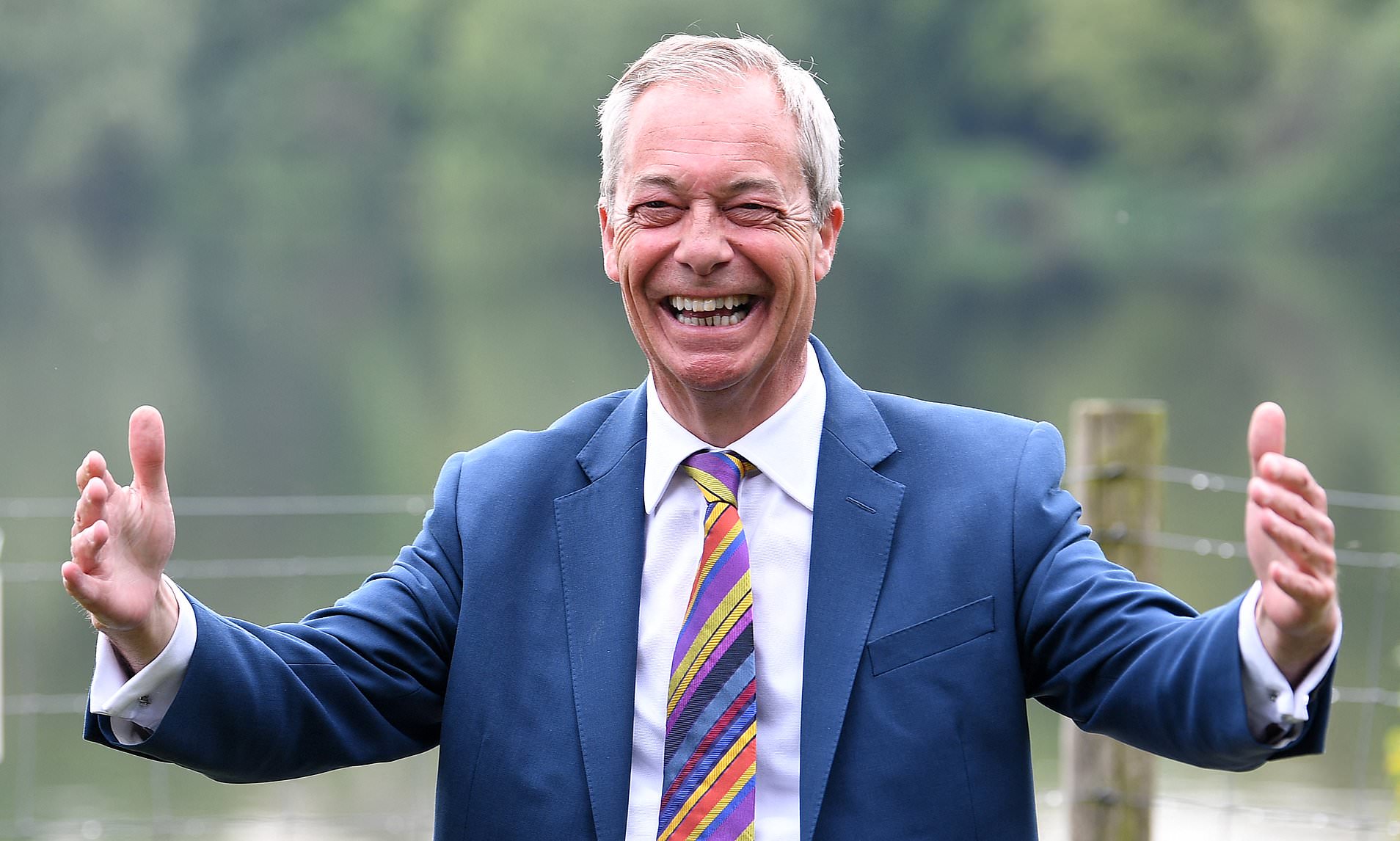
After Streeting’s announcement, Nigel Farage responded with a strong statement, saying, “The North will be lost to Labour for ever.” This reaction highlights the deep divisions within British politics and the potential consequences of Streeting’s position.
A Whitehall source criticized Streeting’s approach, stating that the local election results showed a clear message from voters: they are frustrated with a political system they feel no longer serves them. According to this source, Streeting’s response has been to reopen a divisive debate and suggest that the next general election could become a de facto second referendum.
“This is not leadership, and it isn’t uniting our country,” the source said. “It is desperate self-interest – and a total betrayal of Labour values.”
Another source added that Streeting’s focus on this policy uniquely divides Britain and that his actions seem aimed at imposing five years of misery on the country. They described his approach as a “desperate attempt to shore up support based on identity politics and a culture war which frankly most people gave up on many years ago.”
Streeting’s Campaign Strategy
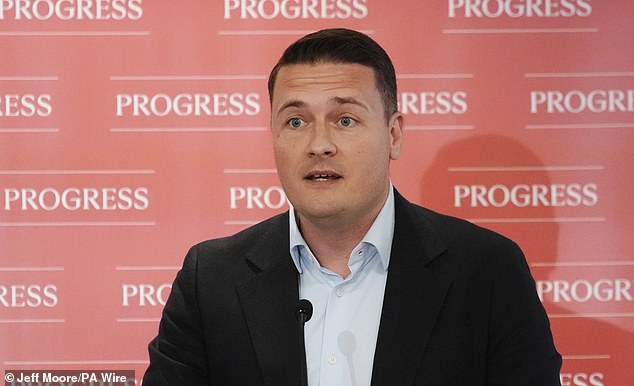
At a fringe Labour event, Streeting addressed supporters and emphasized the need for a new mandate from the public if the UK were to consider rejoining the EU. He acknowledged that the decision to leave the EU was made through a democratic process and stressed the importance of seeking a new mandate in future manifestos.
“I’m not proposing that we break a manifesto that we’ve stood on at the last general election, because frankly, trust in politics and politicians is in even shorter supply than money in our country,” he said.
Streeting also expressed his support for Andy Burnham in the by-election, stating that the goal is to deliver the change people wanted to see. He emphasized the need for a bold and ambitious plan for the next election.
He attempted to frame his campaign as a contest of ideas rather than personalities, saying, “We need a proper contest where all candidates can put their best foot forward. It’s got to be a battle of ideas, so that whoever wins comes out strong before it.”
Facing New Challenges
Streeting acknowledged the threat posed by Farage and Reform UK, noting that for the first time in Labour’s history, their biggest opponents are not the Conservatives but Farage and his party. He highlighted the existential threat posed by Scottish and Welsh nationalism and warned that English nationalism, represented by Farage and Reform, poses a danger to the values and ideals that have defined the country.
“Progressives understand this threat, and they want us to confront it, but they are increasingly losing faith the Labour Party is capable of rising to the challenge,” he said.