The Political Tensions in Nigeria: A Nation on the Brink
Nigeria is currently facing a critical juncture, not due to economic challenges, but because of the escalating political rhetoric that threatens to destabilize the nation. Recent events have highlighted the deepening divisions within the opposition coalition, the African Democratic Congress (ADC), and the implications of these tensions for the country’s democratic future.
The Role of David Mark
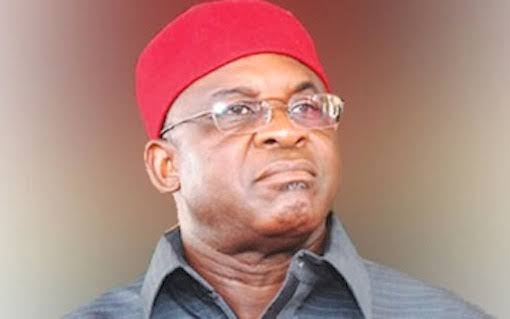
David Mark, the factional party chairman of the ADC, has been at the center of this controversy. Following the Independent National Electoral Commission’s (INEC) decision to delist the caretaker executive committee of the ADC, Mark issued strong warnings, suggesting dire consequences if the decision was not reversed. He also expressed a loss of confidence in INEC and its leadership, a move that has raised concerns about the party’s commitment to democratic principles.
Mark’s history is marked by a lack of adherence to democratic values. As a military officer, he once advocated for the annulment of the 1993 presidential election, which was won by the late MKO Abiola. Despite his rise to the presidency of the Senate, there has been no evidence of a transformation into a committed democrat. Since leaving the Senate, he has continued to show little interest in promoting democratic ideals.
The Conflict Within the ADC
The conflict within the ADC revolves around the issue of leadership succession. Sen. Mark insists that before the Atiku-led group took over the ADC on July 29, 2025, all former executives led by Ralph Nwosu had resigned and formed a new executive group. However, the national vice chairman, Nafiu Bello Gombe, claims he did not resign and has not provided any evidence of such a resignation.
INEC acknowledged the ongoing legal dispute and decided it was premature to recognize the Mark-led executives. This decision was based on a March 12, 2026 Court of Appeal ruling that ordered a return to the status quo ante bellum. This has led to further confusion regarding what exactly constitutes the “status quo.”
Interpretations of the Status Quo
Both factions of the ADC have interpreted the court’s directive differently. The Mark-led group believes the status quo should start from when their group was emplaced, while Gombe argues it should be based on the position before his September 2, 2025 lawsuit. Neither group sought a court interpretation of the term, leading to conflicting interpretations.
INEC attempted to resolve the matter by issuing its own interpretation, which some argue may be incorrect. However, the ADC leaders’ accusations of collusion and conspiracy against INEC and President Tinubu seem unfounded and could be seen as incitement.
The Need for Mature Leadership
The ADC’s approach to this issue has been criticized for lacking maturity and responsibility. Given the fragility of Nigeria’s democratic experience, the party should have approached the matter more thoughtfully. It is possible for the ADC to win the case and convince the public of its value, but currently, the leadership appears more interested in securing office than in nurturing national institutions.
The Consequences of Incendiary Rhetoric
The ADC’s incendiary statements and reckless attributions risk fracturing the country if their ambitions are thwarted. Their actions suggest a desperation to win office, with the belief that failure in the next election cycle would end their political careers. This mindset undermines the very principles of democracy and could lead to further instability.
Conclusion
The current situation in Nigeria highlights the importance of responsible leadership and adherence to democratic principles. The ADC’s internal conflicts and the rhetoric surrounding them pose significant challenges to the nation’s stability. It is crucial for all political actors to prioritize the integrity of national institutions and work towards a stable and democratic future.