The PDP’s Internal Struggles and the Battle for Leadership
The People’s Democratic Party (PDP) has found itself in a state of turmoil, with its internal factions locked in a bitter struggle over leadership and direction. Just when it seemed that a resolution was on the horizon, the situation took an unexpected turn, throwing the party into further disarray.
A Fractured Reconciliation Effort
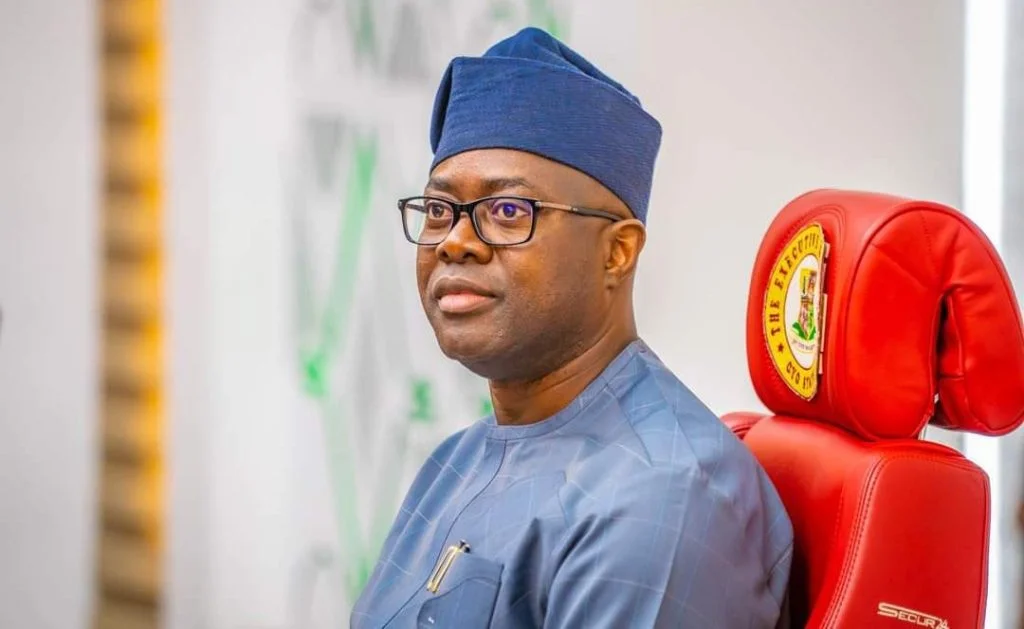
Tanimu Turaki, the factional chairman of the PDP, had initially shown signs of willingness to reconcile with other factions within the party. However, his efforts were quickly undermined by Governor Seyi Makinde of Oyo State. Makinde, who is aligned with Federal Capital Territory (FCT) minister Nyesom Wike, declared that anyone associated with Wike was an enemy of democracy. This declaration came just before a planned reconciliation meeting, and it ultimately led to Turaki and his faction withdrawing from the process.
Makinde’s decision to challenge the Court of Appeal’s ruling on the November 2025 Ibadan convention has created a significant obstacle for any potential reconciliation. His faction, which also includes Makinde, plans to appeal the judgment, hoping for a favorable outcome at the Supreme Court. However, this move has been criticized as risky and potentially damaging to the party’s future.
The Role of Nyesom Wike
Nyesom Wike has long been a key figure in the PDP, often seen as the party’s savior during times of crisis. After former Vice President Atiku Abubakar left the party following electoral losses, Wike stepped in to provide stability and hope. His influence has continued to grow, and he has maintained control over the party despite various challenges.
Wike’s leadership style is marked by a combination of pragmatism and assertiveness. He has managed to keep the PDP afloat even when other leaders have abandoned it. However, his approach has not been without controversy, particularly among those who view his methods as overly aggressive or undemocratic.
The Impact of Governor Seyi Makinde
Governor Seyi Makinde’s actions have further complicated the PDP’s situation. His refusal to engage in reconciliation and his insistence on pursuing legal avenues have raised concerns among party members. Many see his behavior as erratic and unyielding, reminiscent of the very leaders he criticizes.
Makinde’s recent statements, in which he claimed that anyone associating with Wike supports President Bola Tinubu, have been seen as inflammatory and divisive. These remarks have not only alienated potential allies but have also made it more difficult for the party to present a united front.
Political Realities and Future Prospects
Despite the challenges, some within the Makinde faction have expressed a willingness to find common ground with the Wike faction. They recognize the need for unity to ensure the party’s survival and effectiveness in future elections. However, Makinde’s intransigence has made this process difficult.
There are growing concerns about the long-term viability of the PDP under current leadership. With internal divisions and external pressures, the party faces an uncertain future. If the current trajectory continues, the PDP may struggle to remain relevant in Nigerian politics.
The Path Forward
As the PDP grapples with its internal conflicts, the path forward remains unclear. The party must find a way to reconcile its factions and present a cohesive strategy for the upcoming elections. Without such a strategy, the PDP risks losing its place as a major political force in Nigeria.
In the end, the success of the PDP will depend on its ability to overcome internal divisions and adapt to the changing political landscape. Only time will tell whether the party can recover from its current struggles and regain its former prominence.