A Political Legacy of Opposition
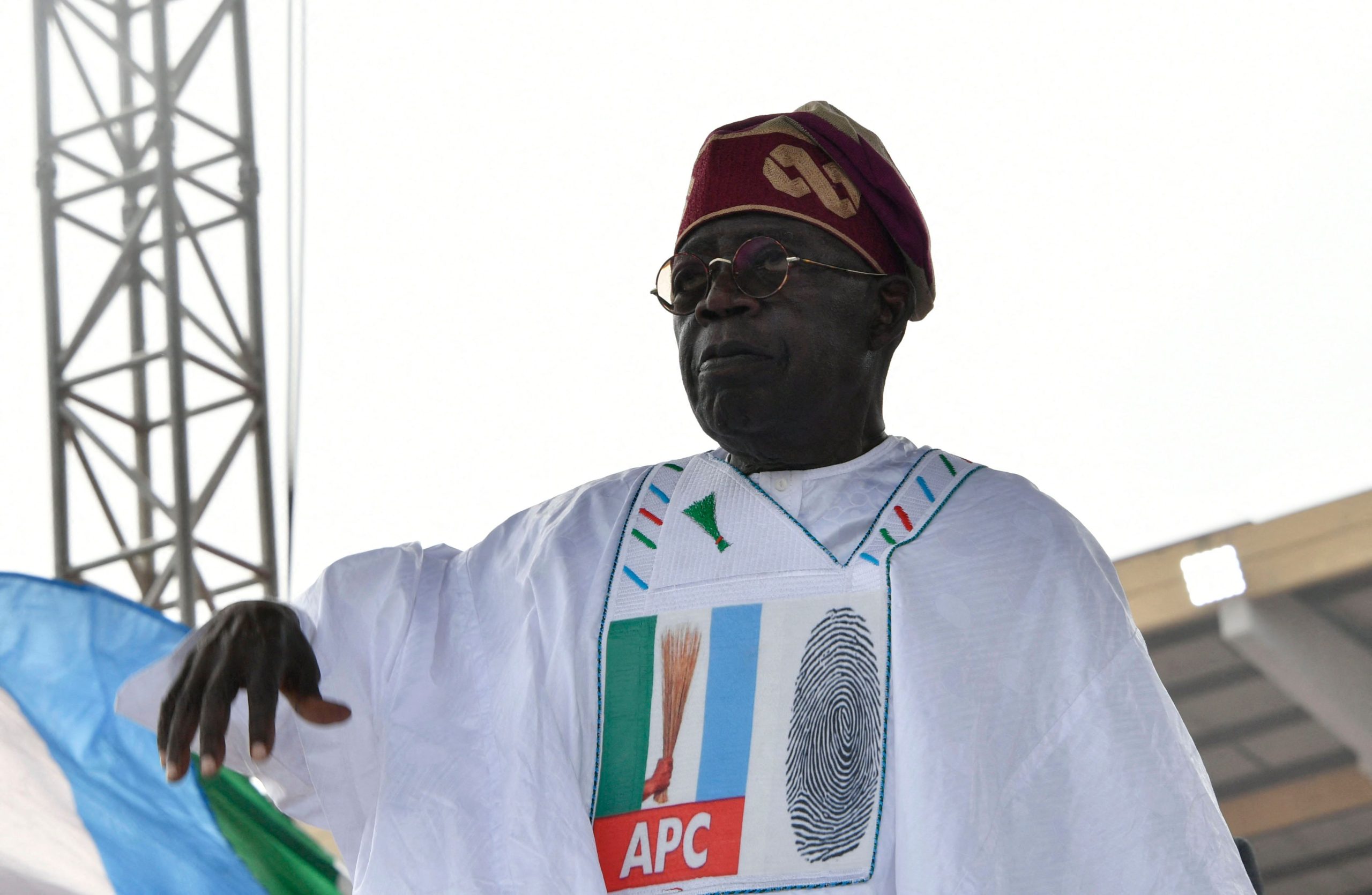
Bola Ahmed Tinubu has carved a significant place in Nigerian political history, not just as a leader but as one of the most influential opposition figures in the country’s Fourth Republic. His strategic approach to opposing central governments and his ability to transform symbolic capital into political power have set a precedent that remains relevant today.
As of May 29, Tinubu will mark three years in office. Despite his current position, he faces many of the same challenges that his predecessors encountered. His responses to opposition are often similar, though sometimes more aggressive and cunning. The current opposition, however, appears to be struggling, showing signs of confusion, lack of direction, and an inability to formulate a coherent strategy. It would benefit from examining how an opposition figure like Asiwaju Bola Ahmed Tinubu would confront a president who is increasingly authoritarian and manipulative.
If Tinubu were in opposition today, witnessing a president presiding over escalating violence, deepening insecurity, restricting the space for alternative parties, intensifying economic hardship, and offering only superficial gestures of sympathy during mass atrocities, he would likely launch a sustained and organized campaign of critical engagement using all available platforms. This is not speculative; it is based on his documented history of such actions.
Key Moments in Opposition
Tinubu’s record as an opposition politician includes several notable instances where he challenged the government effectively. In March 2013, he criticized President Goodluck Jonathan for failing to ensure security, suggesting that Jonathan should “honourably resign” if he could not guarantee safety. By November 2014, his tone had become even more severe, with reports indicating that Tinubu believed Jonathan should have resigned over the scale of insecurity in the country.
In the same year, he accused Jonathan’s administration of “failure, lack of capacity, vision and creativity,” and claimed that the government was misleading Nigerians about the true state of security. These statements reflect a consistent pattern of viewing insecurity as evidence of unfitness for office.
Economic Distress and Resistance
Tinubu also addressed economic issues with a strong stance. On January 11, 2012, he criticized Jonathan’s removal of fuel subsidies, calling it the “Jonathan tax.” He argued that this policy breached the social contract between the rulers and the ruled, described it as a punitive measure against the poor, and urged citizens to resist it through peaceful demonstrations. This call to action led to widespread protests and strikes, ultimately forcing Jonathan to reverse the decision.
Tinubu did not merely diagnose problems; he empowered people to resist them. His involvement in the “Occupy Nigeria” protests, which resulted in at least 12 deaths, highlights his willingness to support physical resistance against policies he deemed unjust.
Organizing Opposition
Tinubu’s efforts extended beyond rhetoric. In February 2013, he played a key role in merging opposition parties into the All Progressives Congress (APC), aiming to end corruption, insecurity, and economic stagnation. This coalition was a calculated move to convert public grievances into political power.
When he felt the Jonathan administration was using institutions against the opposition, he spoke out without hesitation. During the Rivers State political crisis in January 2014, he described the disruption of opposition activities as a “frontal assault against democracy.” Similarly, after chaos at the National Assembly in November 2014, he held Jonathan responsible, seeing patterns rather than isolated incidents.
Tinubu also challenged security spending, arguing in October 2014 that the $1 billion loan for fighting Boko Haram could be misused for political purposes. This shows his readiness to recast even security measures as partisan tactics.
Current Challenges and Lessons
Fast forward to April 2, 2026, when President Tinubu met victims of the Plateau killings at the airport instead of visiting affected communities. From the perspective of opposition Tinubu, this would have been a powerful political weapon, highlighting his perceived detachment and incompetence.
The ongoing communal conflicts and rising abductions for ransom would have provided ample grounds for opposition Tinubu to challenge the legitimacy of the presidency. Additionally, the issue of political space remains crucial. Tinubu’s own rise was facilitated by the opposition forces, and he would not hesitate to act against any perceived threats to rival parties.
In early 2013, when there were concerns about INEC blocking the registration of the new opposition merger, Tinubu framed it as an authoritarian attempt to sabotage democracy. His approach was confrontational, interpreting procedural resistance as existential threats to democracy.
A Coherent Opposition Strategy
What emerges from this analysis is a clear and consistent oppositional method. Tinubu consistently indicts insecurity as presidential failure, frames economic pain as betrayal, promotes and legitimizes public resistance, works to consolidate opposition power, and attributes all misfortunes to the president. He combined rhetoric with organization, avoiding half-measures.
Tinubu in opposition would not accept the defenses offered on behalf of Tinubu in power. He would reject them loudly and repeatedly, mobilizing against them. The lesson here is not to lament the silence of allies but to study Tinubu’s playbook when he was outside power. He demonstrated disciplined opposition, coalition building, strategic messaging, and relentless pursuit of institutional leverage.
Power is not donated; it is taken. Tinubu has shown that it can be achieved through strategic and organized effort.