Sydney Braces for Protests Amidst Israeli President’s Visit, Authorities Vow Strict Enforcement
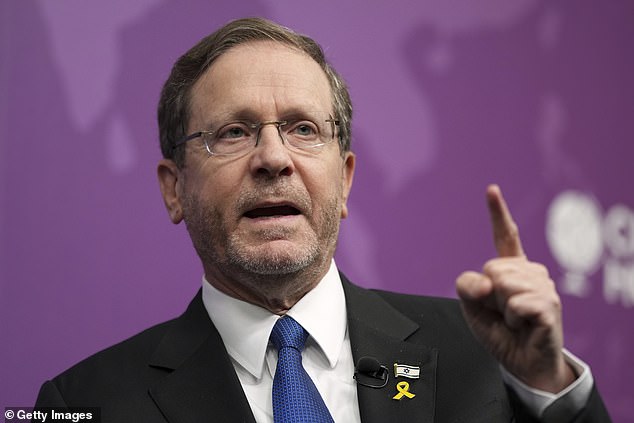
Sydney is preparing for a period of heightened tension as Israeli President Isaac Herzog’s visit, commencing on Monday, is set to coincide with planned demonstrations. The New South Wales government has implemented stringent public safety measures, granting police enhanced powers to manage potential disruptions in the city centre. Authorities are working to ensure the visit proceeds peacefully, while also acknowledging the right to lawful protest.
The NSW government has formally declared President Herzog’s visit a “major event,” a designation that allows for the significant bolstering of police presence and operational capabilities. This move is intended to manage crowd safety effectively, particularly given the emotional significance of the visit for the local Jewish community, who are still recovering from the terrorist attack at Bondi Beach on December 14.
Stricter Penalties for Non-Compliance
Individuals who fail to adhere to lawful police directions during this period could face substantial penalties. These include fines of up to $5,500 and exclusion from designated major event areas. This directive underscores the government’s commitment to maintaining order and preventing any escalation of conflict.
Commissioner Mal Lanyon has indicated that the proposed route for a significant demonstration, organised by the Palestinian Action Group, which aimed to proceed from Town Hall through the Sydney CBD, has been deemed unauthorised. “That route is unauthorised,” Commissioner Lanyon stated to reporters on Saturday.
Despite this, a group of 13 Members of Parliament, including four from the current Minns government, have penned a letter to Commissioner Lanyon, urging him to reconsider and permit the march. Labor backbencher Stephen Lawrence, a signatory to the letter, emphasised the need for calm and responsible governance. “It is time for cool heads to prevail … the role of state government is to ensure community safety,” Lawrence remarked. He added, “A safe, peaceful procession to parliament is achievable, I believe, and I call on police to truly and constructively engage with the organisers.”
Broader Context of Demonstrations
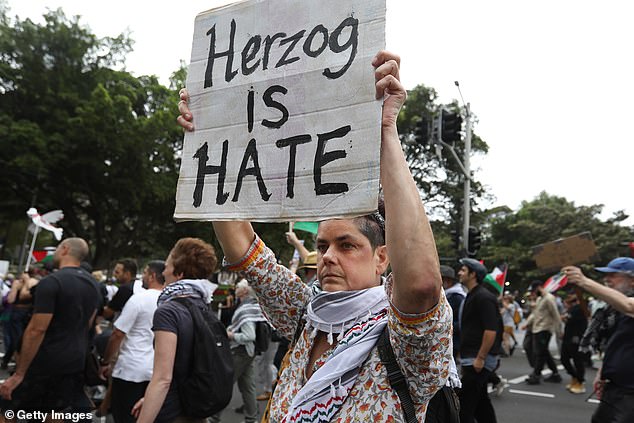
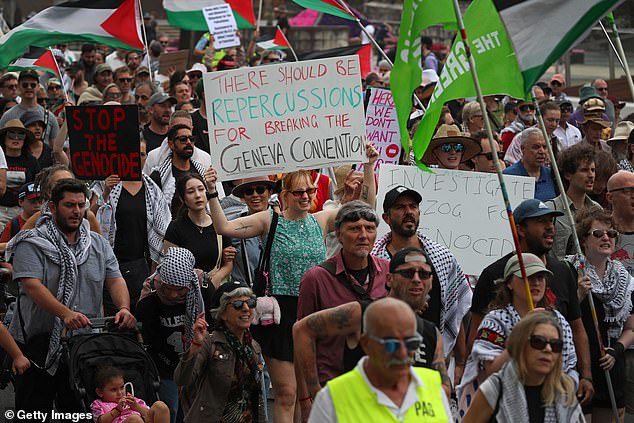
Rallies are being organised in all Australian state capitals in anticipation of President Herzog’s five-day tour, with Sydney being his initial destination. The visit has drawn criticism from protesters and human rights advocates, who have called for the invitation to be rescinded. Their concerns stem from President Herzog’s alleged culpability in the ongoing conflict and humanitarian crisis in Gaza.
President Herzog has previously stated that Palestinians bear collective responsibility for the Hamas attack on Israel on October 7, 2023. A report by a United Nations Human Rights Council commission of inquiry in September suggested that such statements could be interpreted as inciting genocide. The President has denied these accusations, asserting that his remarks were taken out of context.
Government’s Stance on Protests
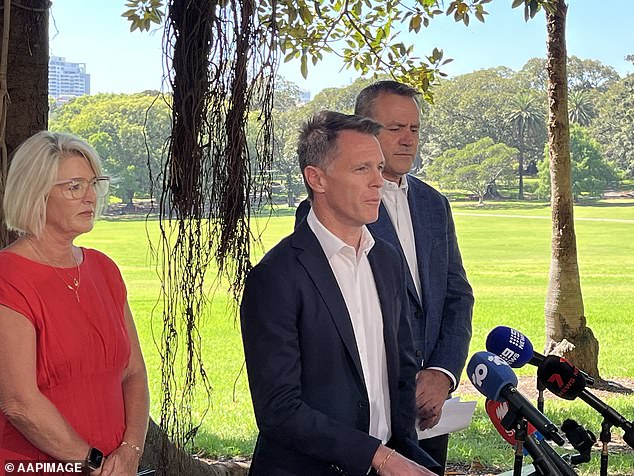
NSW Premier Chris Minns has articulated that the government’s arrangements are not intended as a blanket ban on protests or marches. He stressed that citizens retain their right to express their views lawfully. However, he firmly stated that any behaviour posing a risk of conflict, violence, or public disorder would not be tolerated.
“We cannot allow a situation where mourners and protesters come into close contact on city streets without strong police presence,” Premier Minns told reporters on Saturday. “This is about keeping people safe, lowering the temperature and ensuring Sydney remains calm and orderly.”
Police Preparedness and Expectations
Police Minister Yasmin Catley reinforced the expectation of public cooperation. “We expect people to follow police directions and if someone chooses to break the law or ignore police instructions, police will respond,” she stated.
When questioned about whether increased police powers might escalate tensions, Premier Minns explained that the measures are specifically designed to prevent violent confrontations. He recalled past incidents where NSW Police have had to detain or arrest individuals during protests organised by the Palestinian Action Group. “During 200 [previous] Palestinian Action Group protests, several people have been detained and arrested by NSW Police who were counter-demonstrators,” he noted. He clarified that these actions were not partisan but were taken out of concern for potential clashes.
Support for Protests within Government
Notably, government backbenchers Sarah Kaine and Stephen Lawrence have publicly stated their intention to participate in the planned protests on Monday, indicating a diversity of views within the political landscape regarding the visit and the accompanying demonstrations. The coming days are expected to be closely watched as Sydney navigates the complexities of hosting a high-profile international dignitary amidst significant public sentiment.