A New Approach to UK-EU Relations
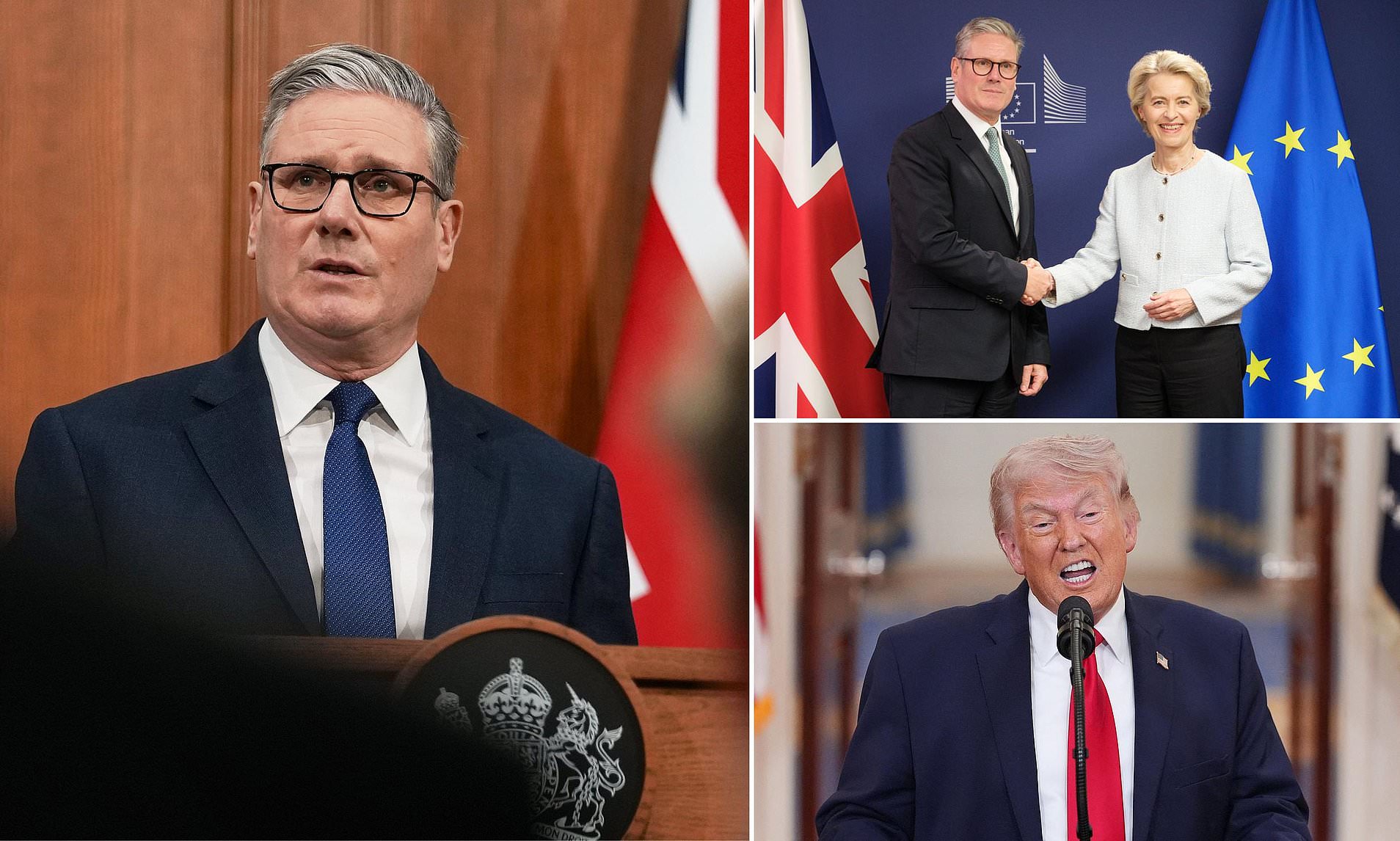
Recent developments have sparked concerns about the potential concessions that Keir Starmer might make to the European Union, especially after he emphasized the need for a ‘reset’ in response to the chaos caused by Donald Trump. The Prime Minister highlighted the importance of strengthening ties with Europe during a press conference at Downing Street, citing the Middle East crisis as a key reason for this shift.
Starmer announced plans for a UK-EU summit this summer aimed at creating an ‘ambitious’ package for closer alignment. This move was accompanied by a direct conversation between Sir Keir and EU Commission President Ursula von der Leyen, signaling a renewed focus on collaboration. However, critics argue that this approach may cost the UK leverage in negotiations, as Brussels has already raised demands regarding a youth ‘free movement’ scheme and the need for Britain to adhere to the bloc’s rules.
The financial implications of these discussions are significant, particularly concerning payments into the EU’s budget. Kemi Badenoch criticized the Chagos ‘surrender’ deal, stating that ‘when the PM negotiates Britain loses.’ This sentiment reflects growing skepticism among some political figures about the outcomes of such negotiations.
Pressure from Within Labour
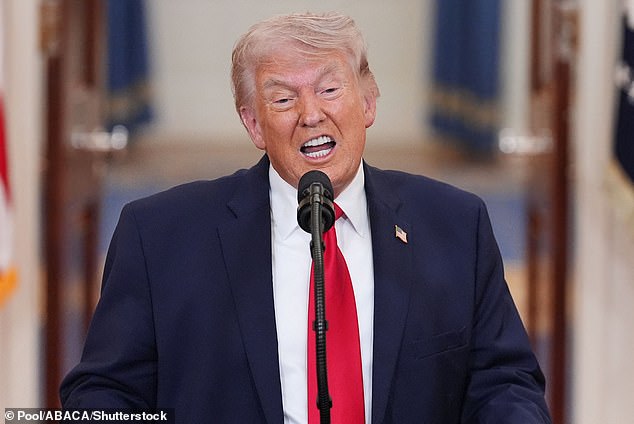
The Prime Minister’s recent statements came shortly after Trump intensified his attacks on the UK and threatened to withdraw the US from NATO. This pressure has led to increased calls from within the Labour Party for closer ties with the EU. Deputy PM David Lammy and Health Secretary Wes Streeting have both expressed support for rejoining the customs union, while London Mayor Sir Sadiq Khan has urged Labour to include rejoining the EU in its next election manifesto.
Cabinet Office minister Nick Thomas-Symonds, who is leading talks with Brussels, reported ‘very significant progress’ in negotiations. He expressed confidence that agreements on youth mobility, emissions trading, and food and drink would be reached. Thomas-Symonds also mentioned that a deal would be finalized at the 2026 annual summit. While acknowledging the need for contributions to the EU’s coffers, he insisted on being ‘robust’ and applying value for money tests to ensure economic interests are protected.
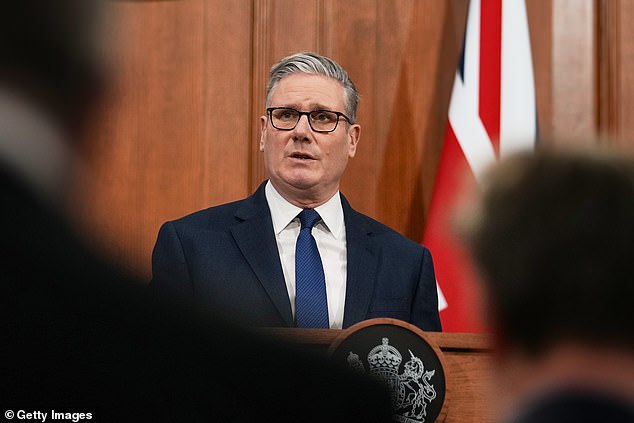
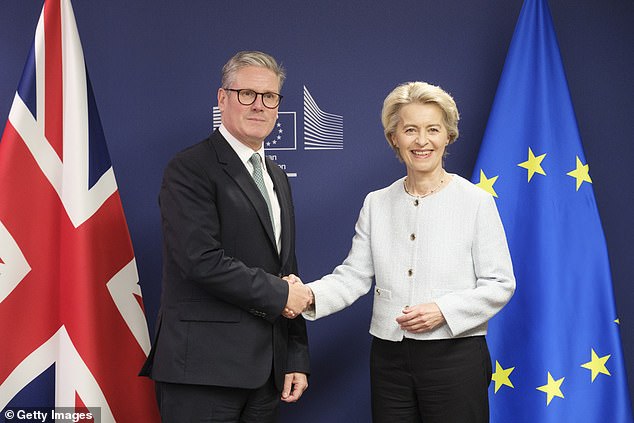
Thomas-Symonds admitted that both sides were playing ‘hardball’ on issues such as an emergency brake on numbers under the youth mobility scheme. He also avoided commenting on Brussels’ insistence that students coming to study in the UK should receive lower tuition fees, stating that a range of issues would be raised during negotiations.
Commitment to Closer Partnership
At his press conference, Sir Keir needed to be asked two questions before reaffirming Labour’s manifesto pledge not to rejoin the EU customs union. He emphasized the need for closer partnership with European allies, stating that Brexit had ‘done deep damage to our economy.’ He argued that the opportunities to strengthen security and reduce living costs are too significant to ignore.
The summer summit with the EU will not just be used to ‘ratify existing commitments made at last year’s summit,’ according to Starmer. Instead, he aims for more ambitious cooperation in economic and security matters, highlighting a partnership that recognizes shared values and future interests.
Kemi Badenoch reiterated her concerns about the PM’s negotiations, questioning what changes are being made and whether they risk repeating past mistakes. She warned that every negotiation seems to result in Britain losing out.
David Miliband, a former Labour Cabinet minister, echoed similar sentiments, arguing that the old idea of the West based on American benevolence is no longer viable. He stressed the importance of sustaining and improving engagement with the EU and other European countries, while also thinking globally about necessary alliances for Britain.
In conclusion, the path forward for UK-EU relations remains complex, with both opportunities and challenges ahead. As the Prime Minister seeks to navigate these waters, the balance between national interests and international cooperation will be crucial.