The Rise of Southeast Asia’s Creative Economy
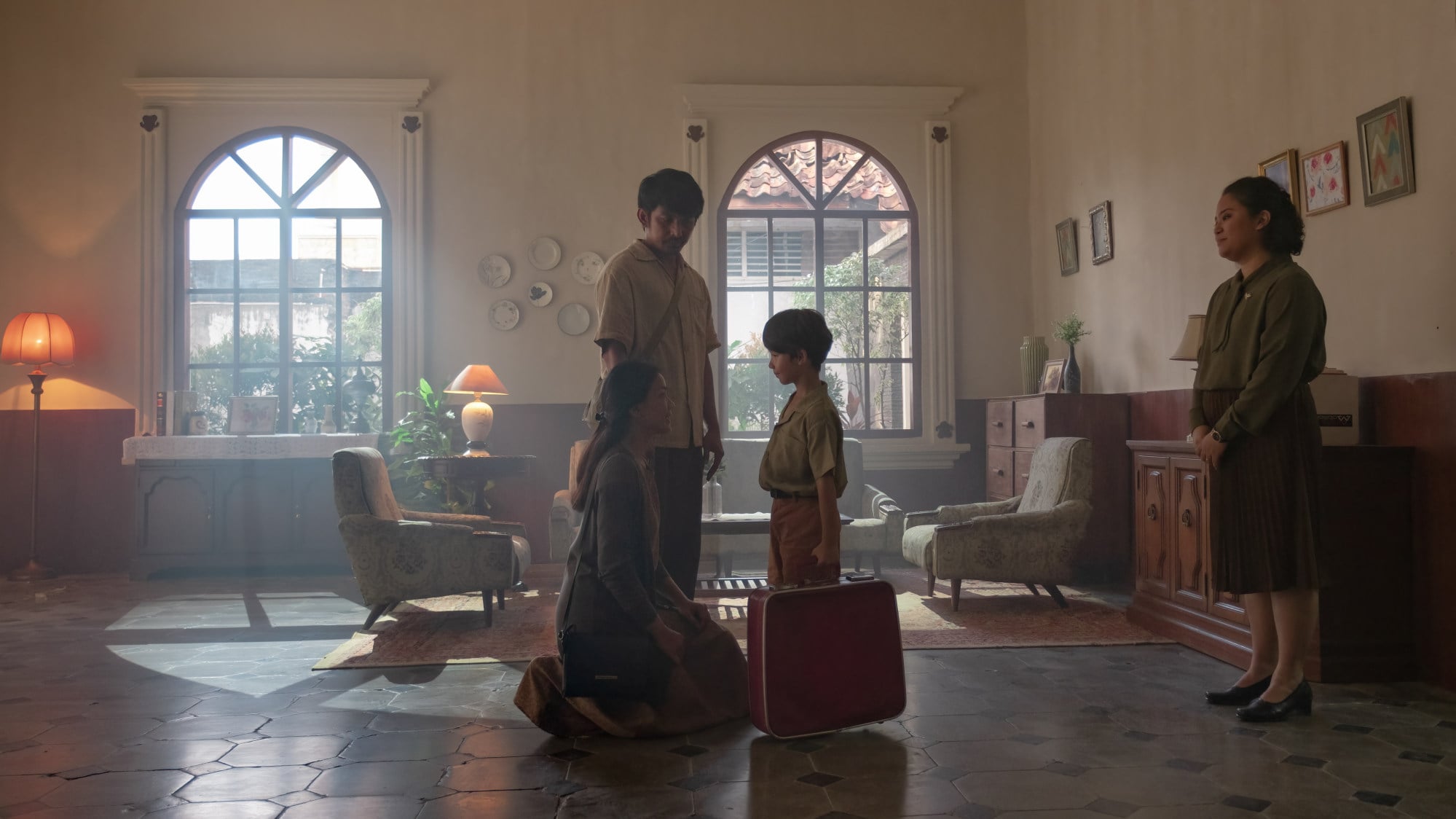
The region’s creators are going global, but the structures to sustain them are still catching up. Later this month, Indonesian cinema-goers will finally get to see what audiences in Berlin saw in February: Jokor Anwar’s Ghost in the Cell. The horror-comedy, which had its world premiere at the prestigious Berlin International Film Festival, has been celebrated by influential trade magazine Variety for rising above mere “escapist entertainment” to channel societal anxieties about corruption and environmental destruction.
Yet it is only the latest example of Southeast Asia’s creative moment arriving. The question now is whether the systems exist to convert that interest into lasting economic value and genuine global influence.
Anwar himself hardly needed the validation. As one of the region’s leading auteurs, with a proven knack for elevating folkloric horror into globally acclaimed cinema, he has spent the better part of two decades telling stories that resonate far beyond Indonesia’s borders. His seven-part sci-fi anthology series Nightmares and Daydreams made it onto Netflix’s “most watched” lists across multiple countries in 2024, adding to a growing global profile that has helped crack open doors for other Southeast Asian filmmakers chasing international platforms and cross-border audiences.
“Indonesian cinema is in a much stronger position than a decade ago in terms of visibility and there are more quality films today to showcase,” Anwar told This Week in Asia. “The biggest homework is how to reach a sustainable global reach and to expand it.”
Ghost in the Cell, in which inmates are hunted down by a vengeful supernatural entity inside a prison, is – like much of Anwar’s work – ambitious, bizarre and unmistakably Indonesian. On April 16, it is coming home.
A $300 Billion Prize
Southeast Asia’s creative economy is projected to contribute more than US$300 billion to the region’s gross domestic product by the end of the decade. It encompasses far more than just film and television, however. Any value generated through human creativity based on “heritage, culture, the arts, design, science, technology and innovation” is part of the creative economy, according to Asean – spanning everything from fashion and artisanal crafts to intangible assets such as intellectual property.
In August last year, the Association of Southeast Asian Nations adopted its Creative Economy Sustainability Framework, a policy road map designed to harmonise the bloc’s approach to nurturing its creative industries and protect the gig workers and small businesses that form their backbone.
“‘Soft power’ is real power,” said Paolo Mercado, founder and president of the Creative Economy Council of the Philippines. “Just look at the impact of American culture and values on the world, delivered primarily through film and television – promoting not only American brands and consumer lifestyles but ideologies as well.”
The UN Conference on Trade and Development ranked Singapore, Vietnam, Malaysia, Indonesia and the Philippines among the world’s top exporters of creative goods and services in 2022.
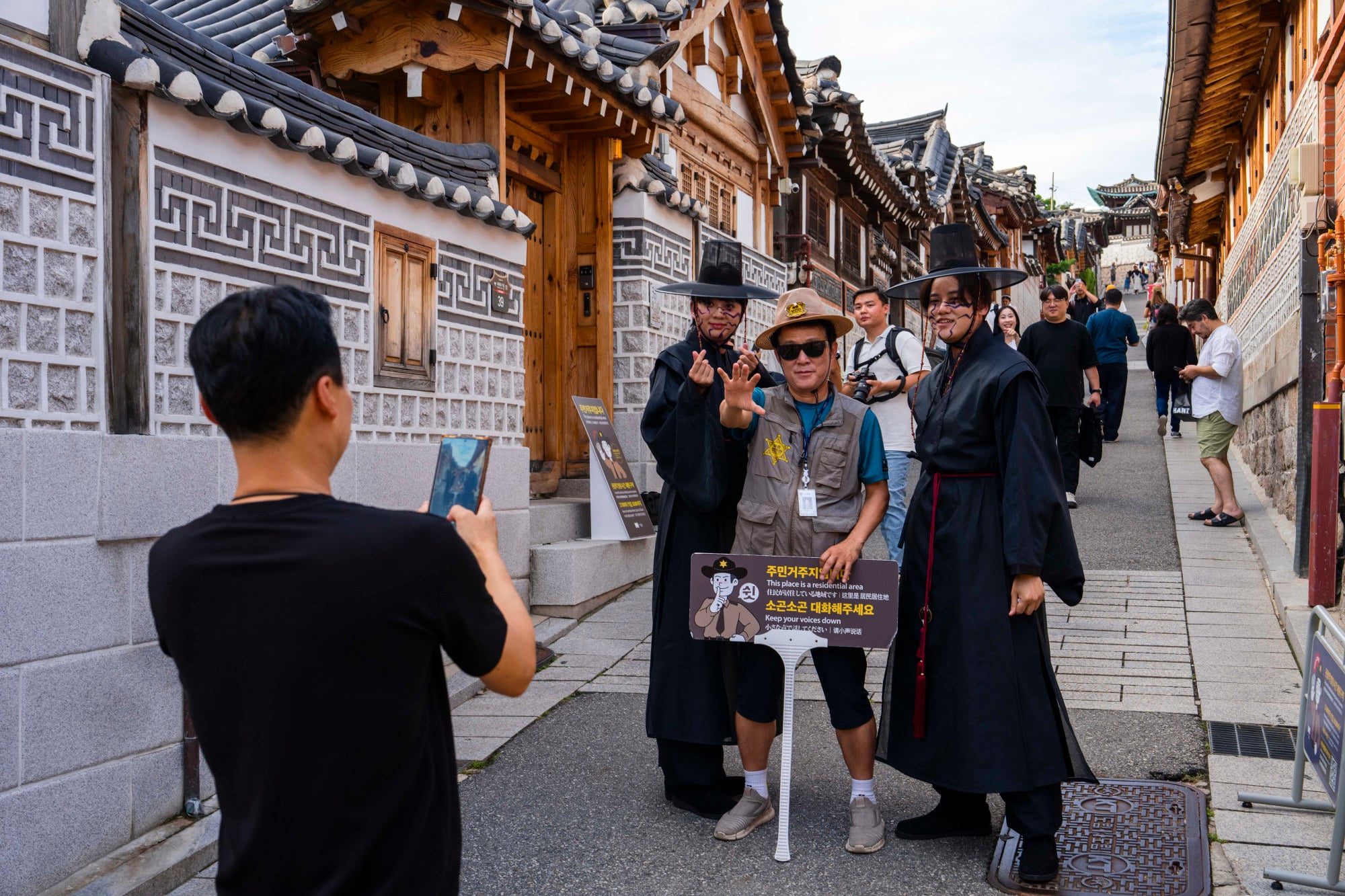
Netflix, reading the currents, has pumped more than US$200 million into content production in Thailand alone, drawn by the country’s ambitions to replicate South Korea’s rise as a film and entertainment hub even as other US-based streaming rivals have pulled back.
Inevitably, the Korean wave, or hallyu, has become the reference point every policymaker reaches for when imagining what a thriving creative economy could deliver.
Last year, President Lee Jae Myung unveiled plans to transform South Korea into a “big-five soft power”, growing the sector’s market value to 300 trillion won (US$198 billion) and exports to 50 trillion won by 2030.
Surging demand “for everything Korean” – from food and cosmetics to tourism – was the concrete commercial effect, Mercado said.
Asean is Not a Cultural Region
“Asean is not a cultural region, it is a political one,” Mercado said. “To find a common soft power may end up settling for averages that are common to everyone but interesting to no one.”
His preferred model is the European Union, a constellation of cultures rather than a monolith. “The Germans, French, Spanish and Italians have similarities, but it is their differences that make them special and are the root of their respective soft power.”
The goal, according to Mercado, should be amplifying Asean’s distinct voices, not blending them into a palatable regional brand.
Boundless Creativity
Singapore-based cultural entrepreneur Oniatta Effendi, who runs artisanal batik label Baju by Oniatta alongside boutique and cultural hub Galeri Tokokita, knows that tension all too well.
“I am often asked how this work is ‘Singaporean’ when the batik is made in villages in Malaysia and Indonesia,” Oniatta said, adding that the question reflected a way of thinking that “tries to neatly assign culture within national borders”.
But batik “has always been regional”, she said. “Its techniques, motifs and philosophies moved freely across what we now call Southeast Asia long before passports and customs checkpoints existed.”
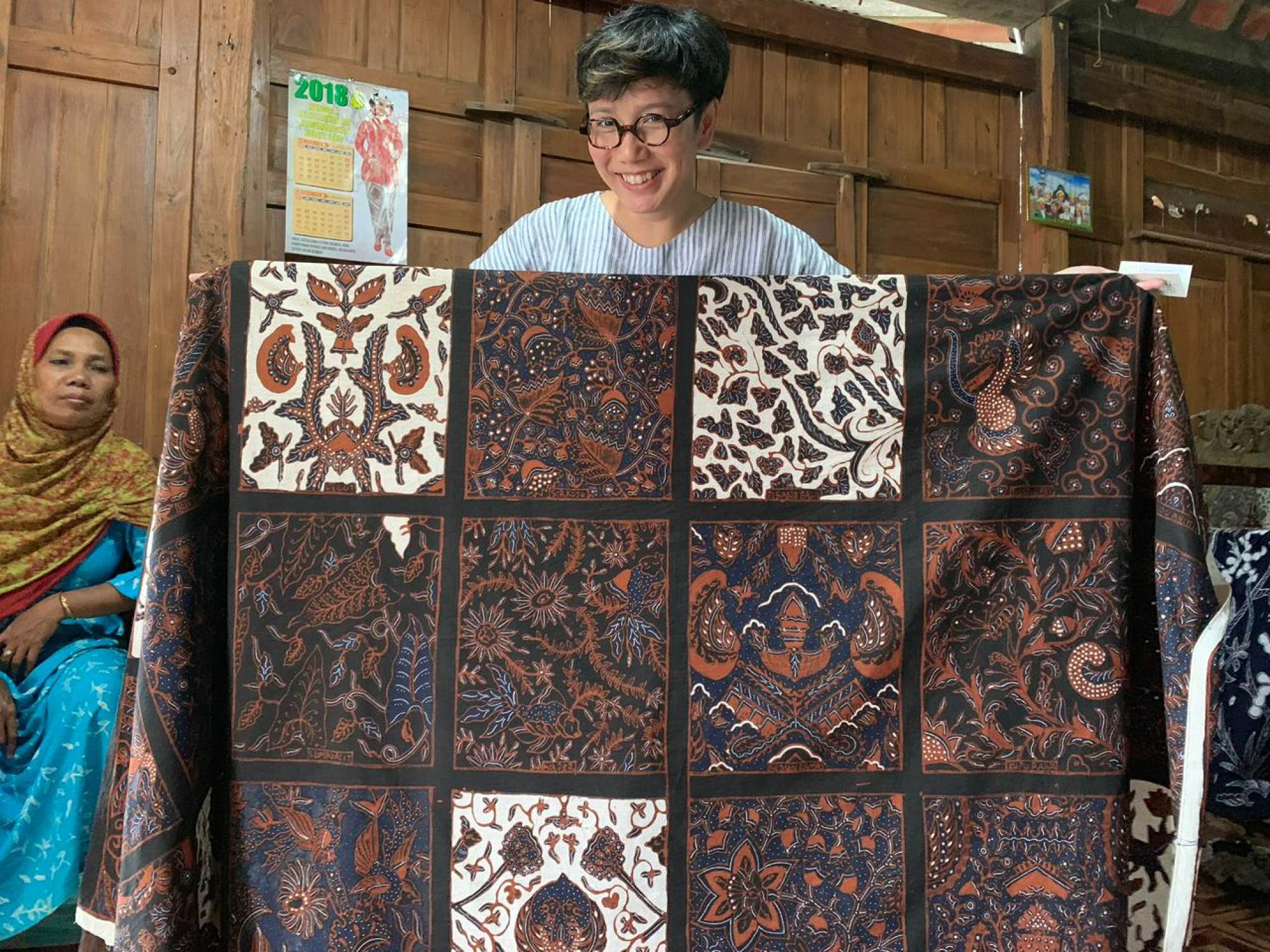
Oniatta sees value in positioning the city state as a hub for regional collaboration, cultural exchange and ethical stewardship.
“As a Singapore-based brand, our role is not to claim ownership over the craft, but to act as a connector – bringing together makers, markets and narratives across the region,” she said.
“When we insist on narrow definitions of cultural identity, we risk flattening complex, shared histories into marketing labels.”
Indeed, Southeast Asia’s collaborative potential is one of its greatest strengths, according to policy analyst James Correia, a research and capacity-building associate at the Asian Development Bank Institute who specialises in the creative economy.
The region’s richly diverse cultural practices – “from sustainable textiles and ecotourism to culinary and indigenous traditions” – combined with a young, digitally native population and expanding educational and infrastructure capacity, equipped it with “strong underlying enablers to expand its creative economy both domestically and internationally”, he said.
But the money needed to develop the creative economy can often be lacking.
Take the Philippines, for example. Despite hosting a creative workforce of some 7.5 million that contributes over 7 per cent of GDP and leading Asean in the export of creative services through animation, software, game development and marketing content, the country’s institutional support lags behind its neighbours.
Last year, only about US$1 million to US$1.5 million was set aside to support the sector under the Malikhaing Pinoy (“Creative Filipinos”) programme, Mercado said.
“Indonesia, Malaysia and Thailand have budgets that are about eight to 10 times bigger,” he said. “How can we even aspire to become Asia’s premier creative hub when our level of development investment is so small? We must get serious about investing.”
He pointed to Thailand’s Creativity and Design Centres, Malaysia’s Think City and Singapore’s technology-forward creative infrastructure as models worth emulating.
Indonesia’s Creative Cities Network, meanwhile, provided “a true benchmark of data-driven policy development for local governments to embrace culture and creative for inclusive growth”, Mercado said.
“We [Filipinos] do not lack dreams,” he said. “What we lack is clarity of strategy.”
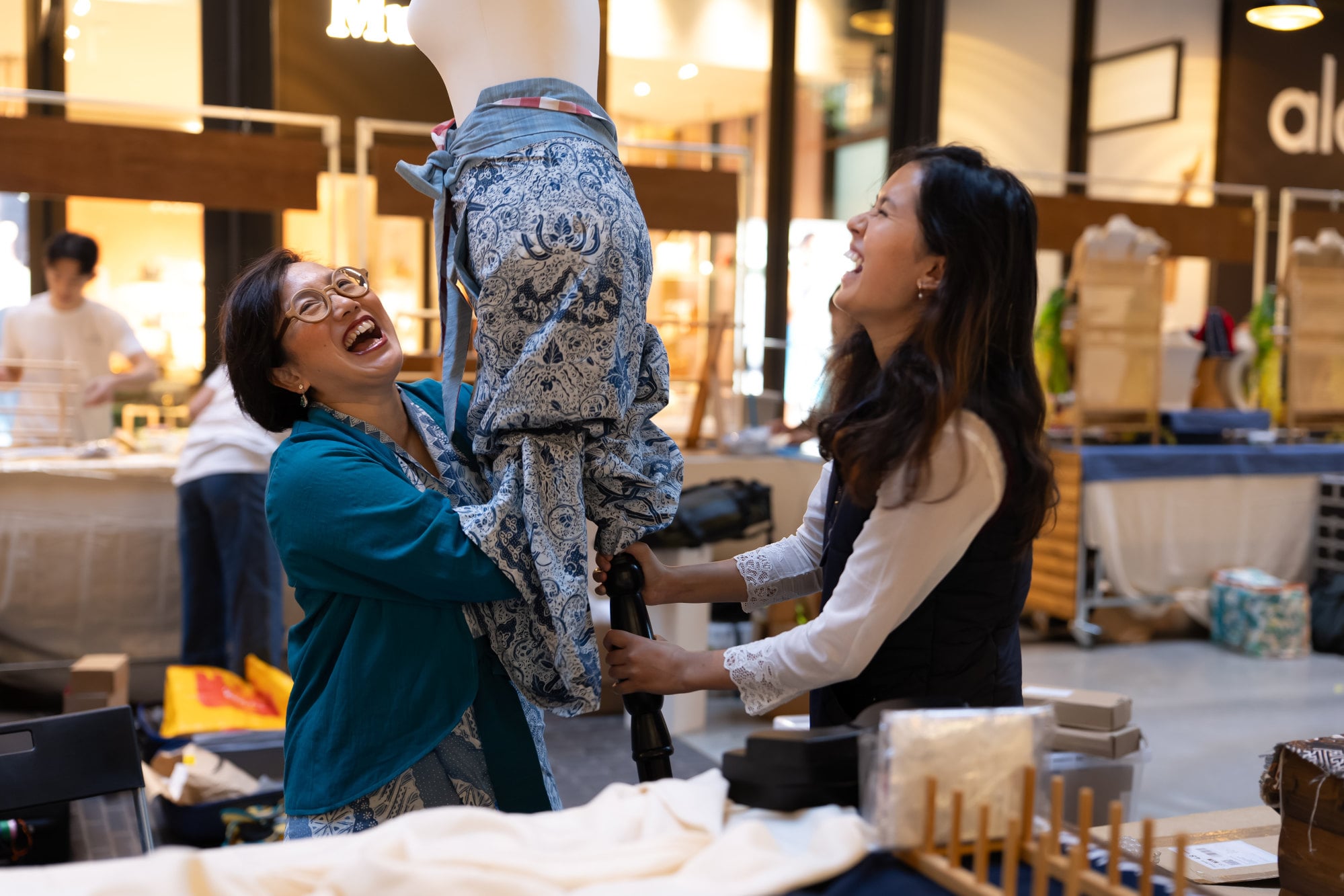
Despite the initiatives listed by Mercado, Oniatta described inconsistent support for artisans across Malaysia and Indonesia, with pockets of availability for grants and training programmes surrounded by regions where craftspeople operated in near-total isolation.
“What is often missing is continuity: support that extends beyond short-term workshops or one-off funding,” she said. “Most importantly, artisans need to be treated as cultural producers, not beneficiaries.”
Her own approach deliberately runs counter to any top-down development model, focusing instead on paying fair rates, crediting artisans for their work and honouring their capabilities rather than overburdening them.
“Over time, this allows artisans to invest in better tools, train younger makers, or simply see batik as a viable livelihood rather than a fading inheritance,” she said.
A Solid Foundation
For Indonesian director Anwar, the question of institutional support is personal. Netflix may have helped give him global reach, but that is not the same as building a foundation.
“Streaming opened doors, but it is not the solution for everything,” he said, adding that algorithmic-dependent visibility was inherently volatile.
What Indonesian cinema needs, according to Anwar, is a coherent government vision backed by proper film schools, development funding and distribution support.
“There is a growing recognition … but programmes feel fragmented and symbolic,” he said. “There are initiatives for funding but they are not enough and feel short-term”.
In January, veteran Filipino diplomat Luis Cruz urged Asean to develop its soft power and pivot to “persuasion and attraction” amid hardening geopolitical rivalries and rising militarism.
He called it the “glue that would cement our cooperation and preserve the peace dividend”, referring to the economic gains resulting from reduced defence spending.
On a country-by-country level, governments have made some progress. Indonesia passed a creative economy law in 2019, with the Philippines following suit three years later. Singapore, meanwhile, has its Skills Framework for the Arts to support professional development.
All of these provide “a solid foundation”, but to move from fragmentation to consolidation, Asean as a whole needs to “integrate and mainstream” the creative economy, according to Correia.
That would mean scaling up the Asean Cultural Fund, easing not just visa access but the rights of creatives to study and work across the region, and pooling and increasing funding for creative enterprises, he said.
The bloc’s Creative Economy Sustainability Framework, unveiled last year, was “a foundational first step, but it cannot be the last word”, Correia said.
Shared databases “to showcase innovative cultural practices” could be established alongside legal and policy frameworks, dialogue networks and more support for “the circulation of people, knowledge and ideas”, he said.
Anwar argues that more is needed, from festivals focusing on Southeast Asian films, to a “credible” regional awards event and incentives for cinemas that screen regional work.
“There’s huge cultural proximity but weak structural connectivity,” he said. “We need more regional distribution networks and shared training programmes.”
The prize, if the region gets it right, would be more than just economic.
“A symbiotic ecosystem is possible,” Oniatta said. “But only if it is built on mutual respect rather than competition or cultural ownership.”
She said Singapore could serve as a connector, offering access to global markets and visibility – but offered a note of caution against measuring success through the lens of scale alone.
“Too often, support is tied to scale, export volume or modernisation at the expense of integrity,” Oniatta said. “Not every batik village needs to become a factory or a tourist destination.”
The creative economy, in other words, is not just about growth. It is about what you choose to grow, and how.