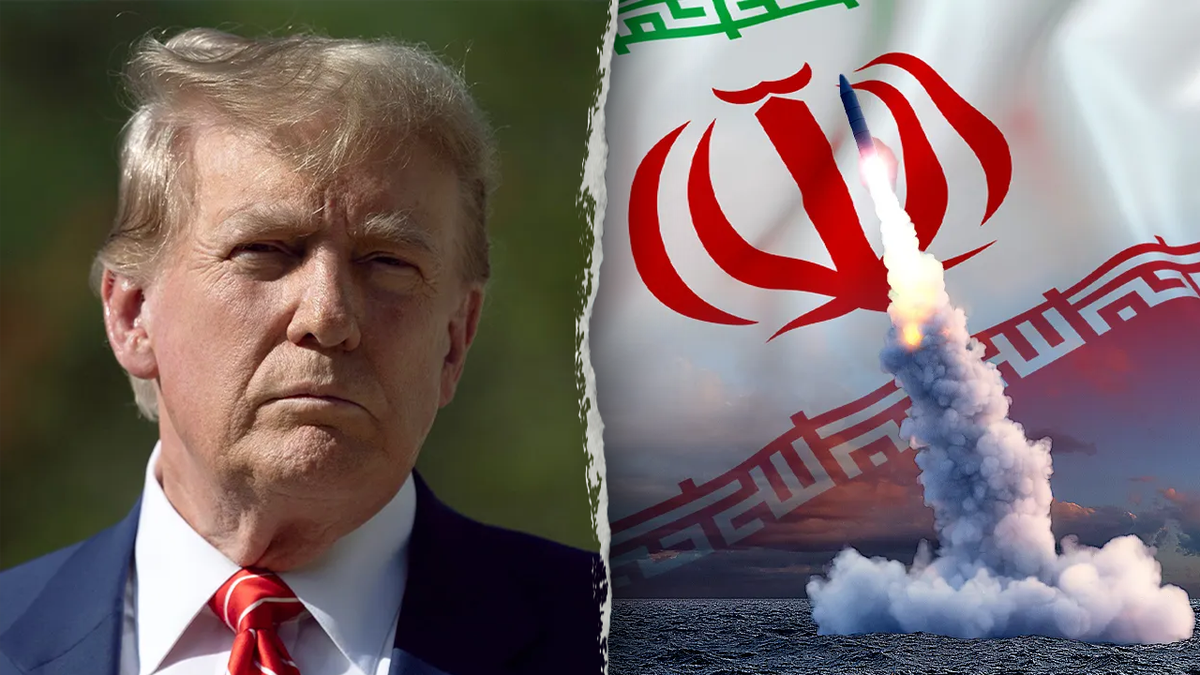
President Trump’s Speech on the U.S. Military Campaign in Iran
President Donald Trump delivered a national address on Wednesday night, emphasizing that U.S. forces are “finishing the job” in Iran as core strategic objectives near completion. The speech marked his first major public statement since the conflict began over a month ago, where he defended the ongoing military operations and claimed that all Washington’s goals have been met or exceeded.
During the 20-minute address, Trump highlighted the success of U.S. operations and warned that Iran would continue to face attacks in the short term. He stated, “We are going to hit them extremely hard over the next two to three weeks,” adding, “We’re going to bring them back to the Stone Ages, where they belong.” However, the speech largely repeated previous messages without introducing new details, which may not significantly influence public opinion given current polling showing many Americans believe the U.S. military has gone too far in Iran.
The immediate impact on global financial markets was notable, with oil prices rising more than 4% and Asian stocks falling following Trump’s comments about continued attacks on Iran.
Strategic Objectives and Public Sentiment
Trump acknowledged the sacrifices made by American service members who were killed during the conflict and said, “We are going to finish the job, and we’re going to finish it very fast. We’re getting very close.” Despite this, the president did not mention the possibility of sending U.S. ground troops into Iran or reference NATO, an alliance he has criticized for not helping secure the Strait of Hormuz.
He also omitted any discussion about negotiations with Iran or his April 6 deadline for the country to reopen the waterway or face severe retaliation. Instead, Trump encouraged other countries reliant on oil through the Strait of Hormuz to “build some delayed courage” and “take it.”
Historical Comparisons and Military Success
In his speech, Trump referenced past American conflicts, noting that the war in Iran had lasted just 32 days. He compared it to World War I, which lasted one year, seven months, and five days, and World War II, which lasted three years, eight months, and 25 days. He also mentioned Korea, Vietnam, and Iraq, suggesting that the U.S. military has achieved swift and decisive victories.
Trump claimed that U.S. military action had been so powerful that “one of the most powerful countries” is “really no longer a threat.” However, Iran continued its attacks on Israel and Persian Gulf neighbors early Thursday.
Nuclear Sites and Future Threats
Trump suggested that the U.S. had ruled out direct military action to retrieve Iran’s enriched uranium. He stated, “The nuclear sites that we obliterated with the B-2 bombers have been hit so hard that it would take months to get near the nuclear dust.” He added that the U.S. maintains intense satellite surveillance and control over these areas and would respond swiftly if Iran attempted to move anything.
Comments on Oil and International Alliances
Hours before the speech, Trump reportedly said, “We could just take their oil.” At a White House Easter lunch, he expressed frustration with the public’s patience, stating, “I’m not sure that the people in our country have the patience to do that, which is unfortunate.” He also hinted at the potential for the U.S. to take oil from Iran, though he ultimately preferred to focus on winning the war and returning home.
Trump also criticized NATO allies for not helping secure the Strait of Hormuz, suggesting that Asian countries like South Korea, Japan, and China could step up to help reopen the waterway.
Confusion and Speculation
The president’s objectives have shifted since the war began on February 28. Trump has repeatedly stated that the conflict could end soon while also threatening to widen it. Thousands of additional U.S. troops are currently heading to the Middle East, and speculation continues about the reasons behind this movement.
Trump has also threatened to attack Iran’s Kharg Island oil export hub, adding to the uncertainty surrounding the situation. The role of Israel, which has been bombing Iran alongside the U.S., remains unclear.
Economic Impact and Pressure to End the Conflict
The war has led to rising costs for gasoline, food, and other goods, increasing pressure on Trump to end the conflict. Brent crude prices have risen more than 40% since the start of the war.
As the situation evolves, the U.S. and its allies continue to navigate the complex geopolitical landscape in the region.