Kenya’s Security Sector Reforms Notch Significant Progress: 55% Implementation Achieved
Kenya’s commitment to overhauling its core security institutions is yielding tangible results, with officials reporting that a substantial 55% of planned reforms have now been implemented. This marks a pivotal moment in the nation’s drive to enhance efficiency, accountability, and the overall welfare of its security personnel. The ambitious reform agenda, largely driven by the recommendations of the Maraga Task Force, is steadily advancing across the National Police Service, Kenya Prisons Service, and the National Youth Service.
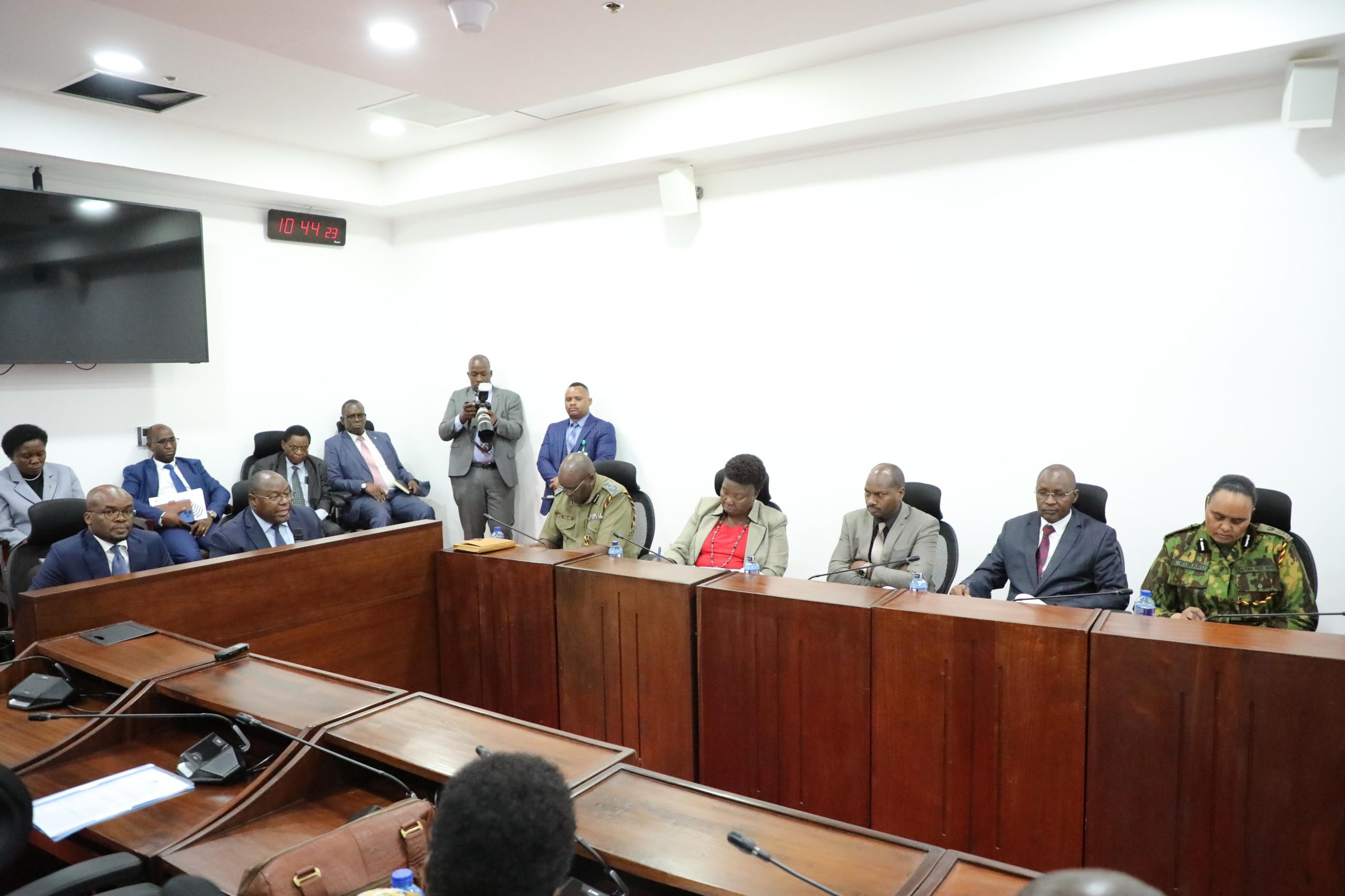
Raymond Omollo, the Principal Secretary for the Ministry of Interior and National Administration, who also chairs the National Steering Committee overseeing these critical reforms, expressed optimism about the trajectory of the program. Speaking at a recent press briefing, Omollo highlighted the considerable milestones achieved to date.
“There has been notable improvement in the implementation of the recommendations of the Maraga Task Force Report,” Omollo stated. “We are seeing significant progress in implementing reforms across these three vital services.”
The committee’s outlook is positive, with projections indicating an acceleration of the reform pace. Omollo further elaborated on the anticipated timeline, suggesting that a considerable portion of the remaining work could be completed within the next year.
“Within the next one year, we expect to have achieved at least 40 per cent of the remaining recommendations,” Omollo stated.
The focus of these comprehensive reforms is not uniform across all branches. Omollo clarified that the bulk of the initiatives are concentrated within the National Police Service, reflecting its broad mandate and the scale of changes required. The Kenya Prisons Service is also a significant recipient of reform efforts, with a considerable share of the agenda dedicated to its transformation. Concurrently, the National Youth Service continues to undergo crucial structural and administrative improvements designed to bolster its effectiveness.
Key Reform Areas and Progress:
- Administrative Reforms: A significant achievement has been the near-complete implementation of administrative reforms as outlined in the 2023 report. Omollo indicated that most of these recommendations have either been fully executed or are in their advanced stages of completion.
- Officer Welfare and Remuneration: Addressing the welfare of security personnel is a cornerstone of the reform agenda. Omollo confirmed that salary adjustments are being rolled out incrementally, in alignment with the task force’s recommendations. The third phase of these remuneration enhancements is slated for implementation in July.
- Capacity Building and Recruitment: To strengthen the personnel capacity within the security sector, the government has initiated robust recruitment and training programs. Plans are underway to enlist an additional 10,000 police officers. Furthermore, 3,800 prison officers have successfully completed their training and are poised for deployment, bolstering the ranks of the correctional services.
Despite the commendable progress, Omollo candidly acknowledged the persistent challenges that continue to be addressed. Foremost among these is the deficit in adequate housing for security personnel. He assured that the government is actively working to mitigate this issue through ongoing infrastructure development projects.
“There remains a significant housing deficit across the services, but we currently have 5,000 housing units under construction to address this,” he explained, underscoring the scale of the undertaking.
The press briefing was attended by a distinguished group of senior government officials, underscoring the high-level commitment to the reform process. Notable attendees included Dr. Jane Kere Imbunya, Principal Secretary for Public Service, Douglas Kanja, Inspector General of Police, and Patrick Mwiti, Commissioner General of Prisons.
The steering committee spearheading these reforms is a multi-stakeholder body, comprising key representatives from various government departments and oversight agencies. This includes crucial input from the National Treasury, the State Department for Correctional Services, the Public Service Commission, and independent oversight bodies such as the Independent Policing Oversight Authority. This collaborative approach ensures that the reforms are comprehensive and well-supported across the government apparatus.
The Maraga Taskforce report, released in 2023, provided a comprehensive blueprint for transformation. Its recommendations were wide-ranging, aiming to inject greater efficiency, enhance accountability mechanisms, and significantly improve the living and working conditions for Kenya’s security forces. Key proposals included:
- Salary Enhancements: A critical component focused on improving the financial well-being of officers.
- Improved Housing: Addressing the persistent shortage of suitable accommodation.
- Digitisation of Police Records: Modernizing record-keeping for greater efficiency and accessibility.
- Restructuring of Command Systems: Implementing changes to reduce undue political interference and streamline operational command.
The ongoing implementation of these reforms signifies Kenya’s dedication to building a more professional, effective, and responsive security sector that serves the nation with integrity and distinction.