Key Iranian Military Figures Reportedly Killed in Israeli Airstrike
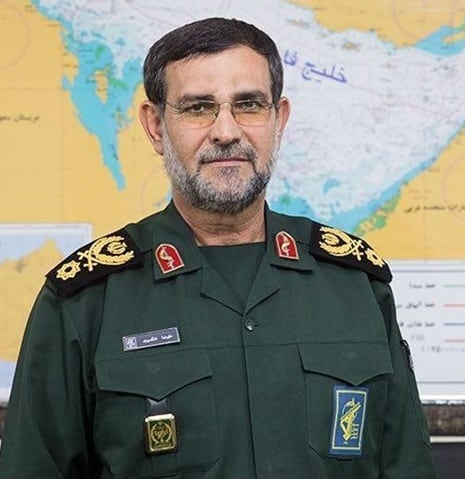
Israel has announced the reported deaths of two senior figures within Iran’s Islamic Revolutionary Guard Corps (IRGC) Navy, including its commander and the director of its intelligence bureau. The Israeli Defense Minister, Benny Gantz, stated that Alireza Tangsiri, the commander of the IRGC Navy, was eliminated in an airstrike conducted the previous day.
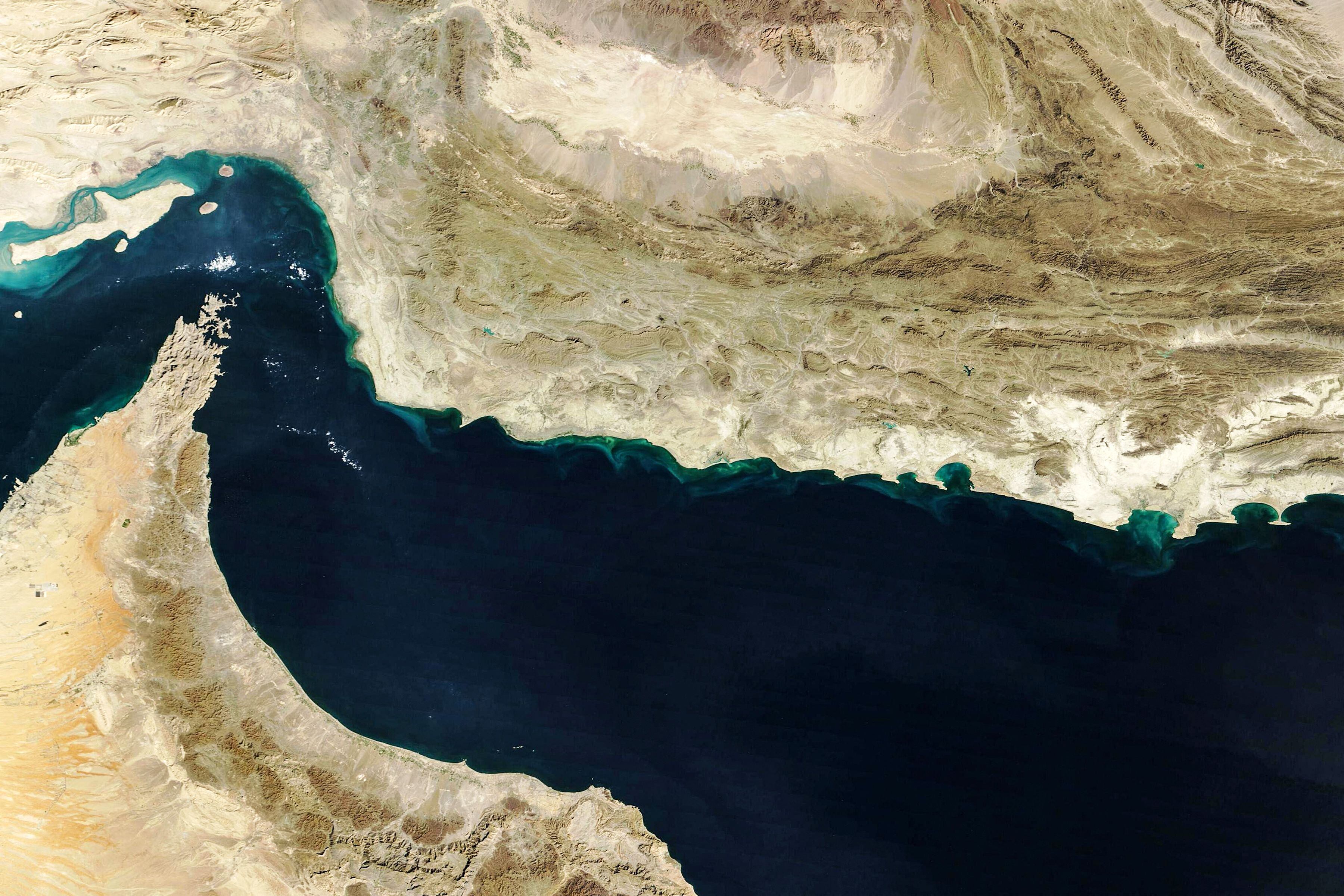
Minister Gantz asserted that Commander Tangsiri was directly responsible for overseeing critical operations, including efforts to obstruct maritime passage through the strategically vital Strait of Hormuz and the deployment of naval mines. The Strait of Hormuz is a global energy transport artery, with approximately 20% of the world’s crude oil transiting through its waters. Reports indicate that Iran has been effectively restricting ship passage and imposing blockades in the Strait of Hormuz since late last month, a move allegedly in retaliation for a joint U.S.-Israel airstrike.
The Israeli Defense Minister characterized the airstrike as a “clear message,” underscoring the Israeli military’s commitment to pursuing members of Iran’s Revolutionary Guard.
Earlier reports from an Israeli government official, speaking to local media, indicated that Commander Tangsiri met his end in an airstrike that took place in Bandar Abbas, a port city located in southern Iran and situated near the Strait of Hormuz. Commander Tangsiri, who held the rank of brigadier general, was reportedly appointed to lead the Revolutionary Guard’s Navy in 2018.
Adding to the significant reported casualties, the Israeli military also claimed responsibility for the death of Benam Rezaei, the Director of the IRGC Navy Intelligence Bureau. The Israeli military elaborated that Director Rezaei was considered a “key knowledge authority in the field of maritime intelligence,” with his responsibilities including the gathering of intelligence on neighboring nations.
As of the latest reports, Iran has not yet issued an official statement concerning these developments.
Strategic Significance of the Strait of Hormuz
The Strait of Hormuz is a narrow waterway that connects the Persian Gulf to the Gulf of Oman and the open sea. Its strategic importance cannot be overstated, serving as a critical chokepoint for global oil transportation. The potential for disruption in this region carries significant implications for international energy markets and geopolitical stability. Iran’s ability to influence or control passage through the strait gives it considerable leverage.
The Role of the IRGC
The Islamic Revolutionary Guard Corps (IRGC) is a branch of the Iranian armed forces founded after the 1979 revolution. It serves as a powerful ideological and military force, tasked with protecting the country’s Islamic system. The IRGC has a significant presence in various sectors, including the navy and intelligence operations, and is often at the forefront of Iran’s foreign policy and regional engagements. Its naval arm plays a crucial role in asserting Iran’s influence in the Persian Gulf and the Strait of Hormuz.
Escalation of Tensions
The reported deaths of these high-ranking IRGC officials mark a potential escalation in the ongoing tensions between Israel and Iran. Both nations have been engaged in a shadow war, with proxy conflicts and alleged covert operations occurring across the region. Any direct targeting of senior military leaders by either side carries the risk of significant retaliation and further destabilization. The international community closely monitors such developments, given their potential impact on regional security and global energy supplies. The ongoing conflict in the region, coupled with Iran’s assertive stance in the Strait of Hormuz, continues to be a major focus for global policymakers and analysts.