Missile Strike on UK Overseas Territory Fuels Cover-Up Allegations
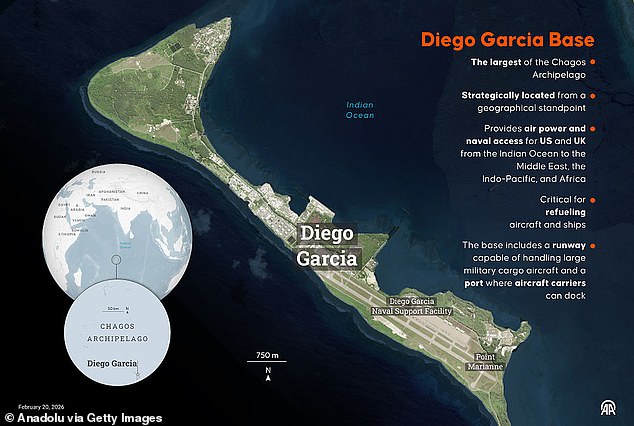
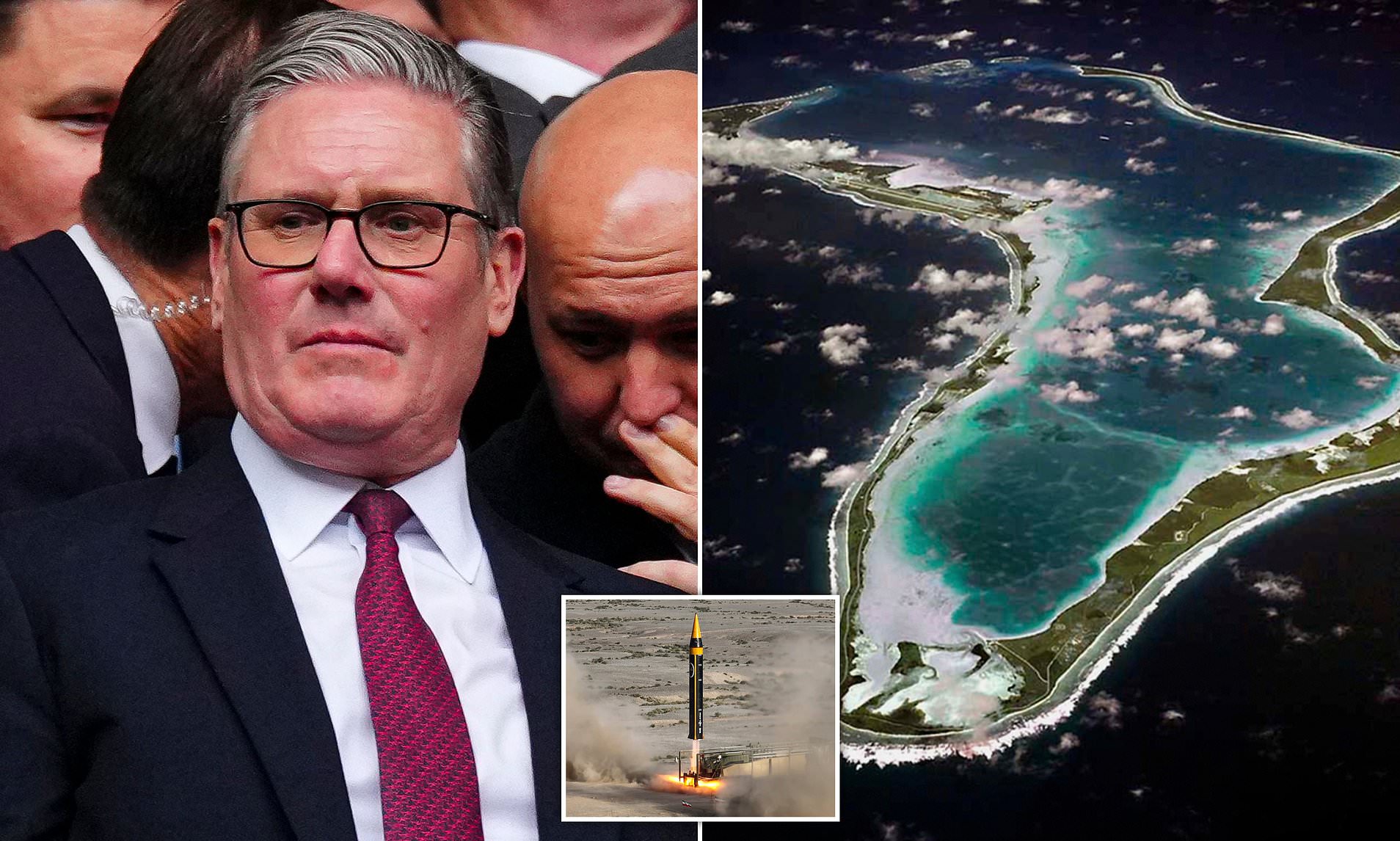
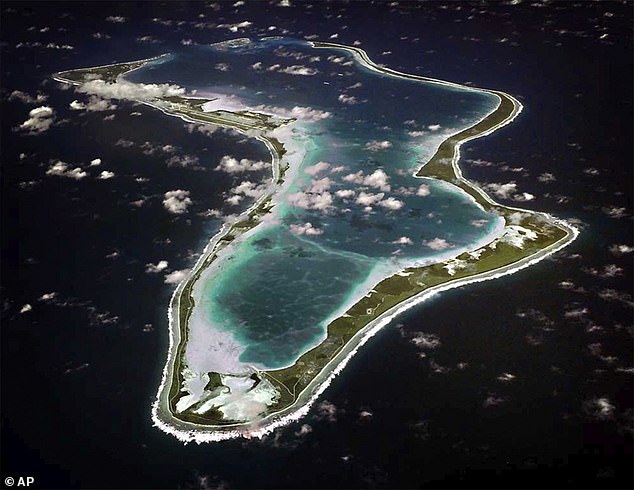
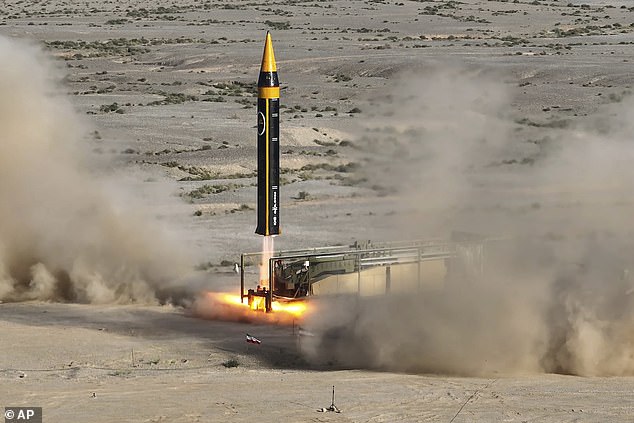
A recent Iranian missile attack targeting a British military base on the Chagos Islands has ignited a political firestorm, with accusations of a government cover-up gaining traction. The incident, which saw ballistic missiles fired at the US-UK military facility on Diego Garcia, has raised serious questions about transparency and national security communication.
The attempted strike, which occurred between late Thursday and early Friday, was reportedly not disclosed by the UK government for over 30 hours. This prolonged silence stood in stark contrast to the swift confirmation and reporting by American officials and media outlets. The delay has led to sharp criticism from political opponents, who allege a deliberate attempt to withhold information from the public.
Kemi Badenoch, a prominent Conservative leader, has been vocal in her condemnation, accusing the current administration of fostering a “culture of cover-ups.” She argued that while matters of genuine national security warrant confidentiality, Parliament and the public deserve to be informed about significant developments affecting British interests and territories. Badenoch specifically pointed to the fact that the attack on Diego Garcia was first reported by American media, citing US officials, before any official acknowledgement from the UK government.
Key Developments and International Reactions
The escalating tensions in the Middle East have brought several critical issues to the forefront:
- Economic Fallout: The Prime Minister was reportedly scheduled to convene a Cobra meeting to discuss the economic repercussions of the ongoing conflict.
- US Political Commentary: Former US President Donald Trump has engaged in public commentary, including a satirical sketch mocking UK opposition leader Sir Keir Starmer.
- Strait of Hormuz Ultimatum: President Trump issued a stark warning, stating he would “obliterate” Iran’s power plants if the Strait of Hormuz was not reopened within 48 hours.
- Iranian Counter-Warnings: Tehran responded with its own threat, warning that energy infrastructure across the Gulf would face “irreversible destruction” if Iranian facilities were targeted.
- Regional Escalation: In a significant escalation, Iran launched missiles targeting two cities near a nuclear plant in southern Israel, an action that reportedly injured over 160 people and served as a potent warning.

The Diego Garcia Incident: A Timeline of Disclosure
The missiles launched by Iran toward Diego Garcia, located approximately 2,360 miles from Iran, ultimately missed their intended target. Reports indicate that one missile was intercepted by a US warship, while the other is believed to have fallen into the ocean after covering a considerable distance.
The first international reports of the attack surfaced in the Wall Street Journal around 12:20 AM UK time on Saturday, approximately 24 hours after the event. Further details were subsequently provided by CNN around 2:15 AM UK time, with both outlets attributing their information to multiple US officials.
The UK government did not officially confirm the attempted strike until Saturday morning, a delay of over 30 hours from the initial attack. This timing has been a central point of contention, with critics arguing it demonstrates a reluctance to share potentially alarming news.
A government source, however, dismissed the criticism as “desperation from a Tory leader who has been consistently wrong at every stage of this crisis,” suggesting political motives behind the accusations.
The exact timing of the attack remains unconfirmed by the government, although it is understood to have occurred before permission was granted for US strikes against Iran to be launched from Diego Garcia and RAF Fairford on Friday afternoon. Notably, no mention of the attempted missile strike was made in the announcement of these strikes or in subsequent updates from the Ministry of Defence on Friday evening.
Broader Security Concerns and Defence Capabilities
The incident has amplified concerns about Iran’s missile capabilities and the potential threat to British interests, both abroad and at home. Israeli Prime Minister Benjamin Netanyahu has leveraged the attack to emphasize Iran’s reach, suggesting it proves Tehran’s ability to strike European capitals like London, Paris, or Berlin. He has urged the UK and other European nations to align with Israel in confronting Iran.
Conversely, some UK officials have suggested that Israel’s warnings regarding Iran’s long-range missile development might be exaggerated. Steve Reed, the Communities Secretary, stated that the British military is “perfectly capable” of defending the country, though he declined to provide specifics on how close the Iranian missiles came to Diego Garcia.
Concerns have also been raised about the potential for Iran to launch drone attacks against military targets within Britain. Former defence minister Tobias Ellwood has warned that it is “a matter of time” before Britain experiences a significant attack, drawing parallels to the Pearl Harbor incident.
Ellwood highlighted that while Diego Garcia is a highly fortified base, many UK military installations lack the advanced defensive capabilities found in other nations. Britain’s current air defence relies on a fleet of Type 45 destroyers, but a significant portion of this fleet is often in port or en route to deployments, potentially limiting their effectiveness against an immediate strike. One destroyer, HMS Dragon, was reportedly still en route to Cyprus at the time.
This situation suggests that in the event of a swift and unexpected aerial attack, Britain would heavily depend on its NATO allies. This reliance includes systems such as Turkey’s THAAD system, American Aegis Ashore systems stationed in Romania and Poland, and Germany’s US-made Patriot systems.
A government spokesperson reiterated the administration’s awareness of the threat posed by Iran’s actions. “This Government has been clear about the threat that Iran’s indiscriminate attacks pose to British nationals, British interests and our partners,” the spokesperson stated. “To suggest otherwise is completely false – and that’s why we have been conducting defensive operations in the Middle East since day one of this war.”
In related diplomatic developments, Downing Street confirmed that Sir Keir Starmer had discussed the critical need to reopen the Strait of Hormuz with President Trump. A spokesman reported that the leaders “agreed that reopening the Strait of Hormuz was essential.”