Court Upholds Medical License Suspension for Doctor Receiving Pharmaceutical Kickbacks
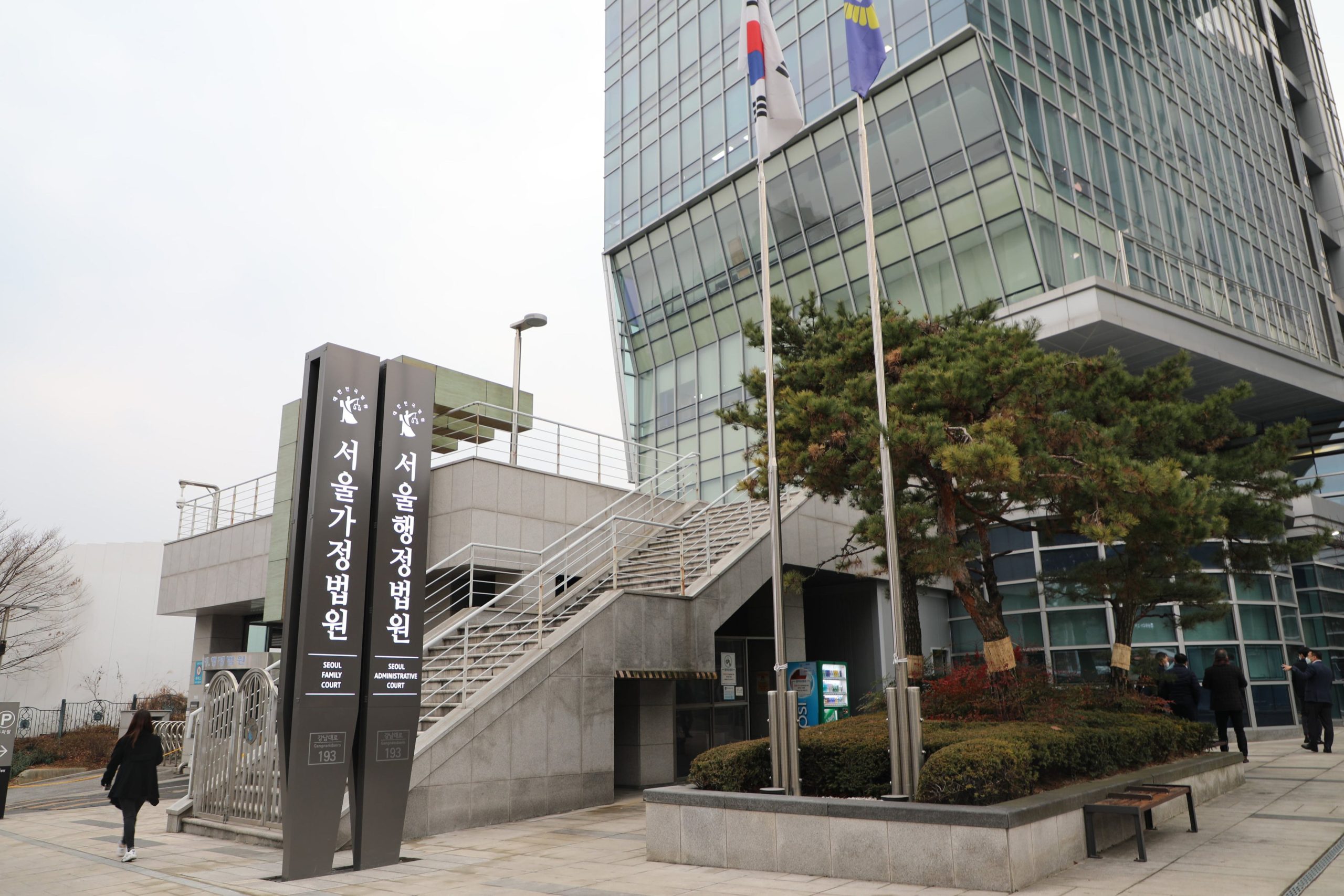
A Seoul administrative court has ruled in favour of the Ministry of Health and Welfare, upholding the suspension of medical qualifications for a doctor who accepted illicit payments from a pharmaceutical company. The decision by the 12th Administrative Division of the Seoul Administrative Court, presided over by Judge Kang Jae-won, dismissed the doctor’s plea to cancel the disciplinary action. The doctor, identified as Mr. A, operates a hospital in the Seocho-gu district of Seoul.
The case stems from Mr. A’s receipt of a total of 9,800,000 Korean won from a pharmaceutical company sales representative between September 2016 and July 2017. These payments were allegedly made in exchange for prescribing specific medications and encouraging their use by patients.
Following an investigation, Mr. A faced legal repercussions. In January 2022, he was fined 7,000,000 Korean won and ordered to pay a surcharge of 9,210,000 Korean won for violating the Medical Service Act. Subsequently, in March of the following year, the Ministry of Health and Welfare imposed a four-month suspension of his medical qualifications due to these violations.
Mr. A challenged the suspension, contending that the statute of limitations had expired for some of the alleged offences, thus invalidating the disciplinary measure. He argued that the Medical Service Act mandates that any suspension of qualifications must be initiated within five years of the offence. Given that the indictment was filed in January 2022, Mr. A claimed that the statute of limitations had run out for certain instances of receiving money.
Furthermore, Mr. A asserted that the amount received within the period still covered by the statute of limitations was only 2,410,000 Korean won. He argued that, under the former Medical Service Act, receiving less than 3,000,000 Korean won in improper economic benefits should only result in a warning, not a suspension of qualifications.
The court, however, rejected Mr. A’s arguments. The judges concluded that his actions constituted a “series of continuous acts.” They highlighted that the individual instances of misconduct occurred in close temporal proximity and all involved the receipt of money within the examination room of his hospital.
The court’s reasoning emphasized the unified nature of the doctor’s actions:
- Temporal Proximity: The court noted that each criminal act took place within a short timeframe of each other.
- Location of Offences: All payments were received at the same location, Mr. A’s hospital examination room.
- Unified Criminal Intent: Considering the purpose behind receiving the funds, the professional roles of both the pharmaceutical representative and the doctor, and the circumstances surrounding the transactions, the court determined that each offence could be viewed as part of a single, ongoing criminal scheme driven by a consistent intent.
This legal precedent underscores the seriousness with which regulatory bodies and courts view the influence of pharmaceutical companies on medical prescribing practices. The court’s decision to treat the doctor’s actions as a continuous series of offences, rather than isolated incidents, suggests a strict interpretation of the law designed to prevent the erosion of public trust in the medical profession. The suspension of qualifications serves as a significant penalty, impacting the doctor’s ability to practice and highlighting the consequences of engaging in such unethical financial arrangements.