Immigration Agents Deployed to US Airports Amidst Budget Crisis and Worker Absences
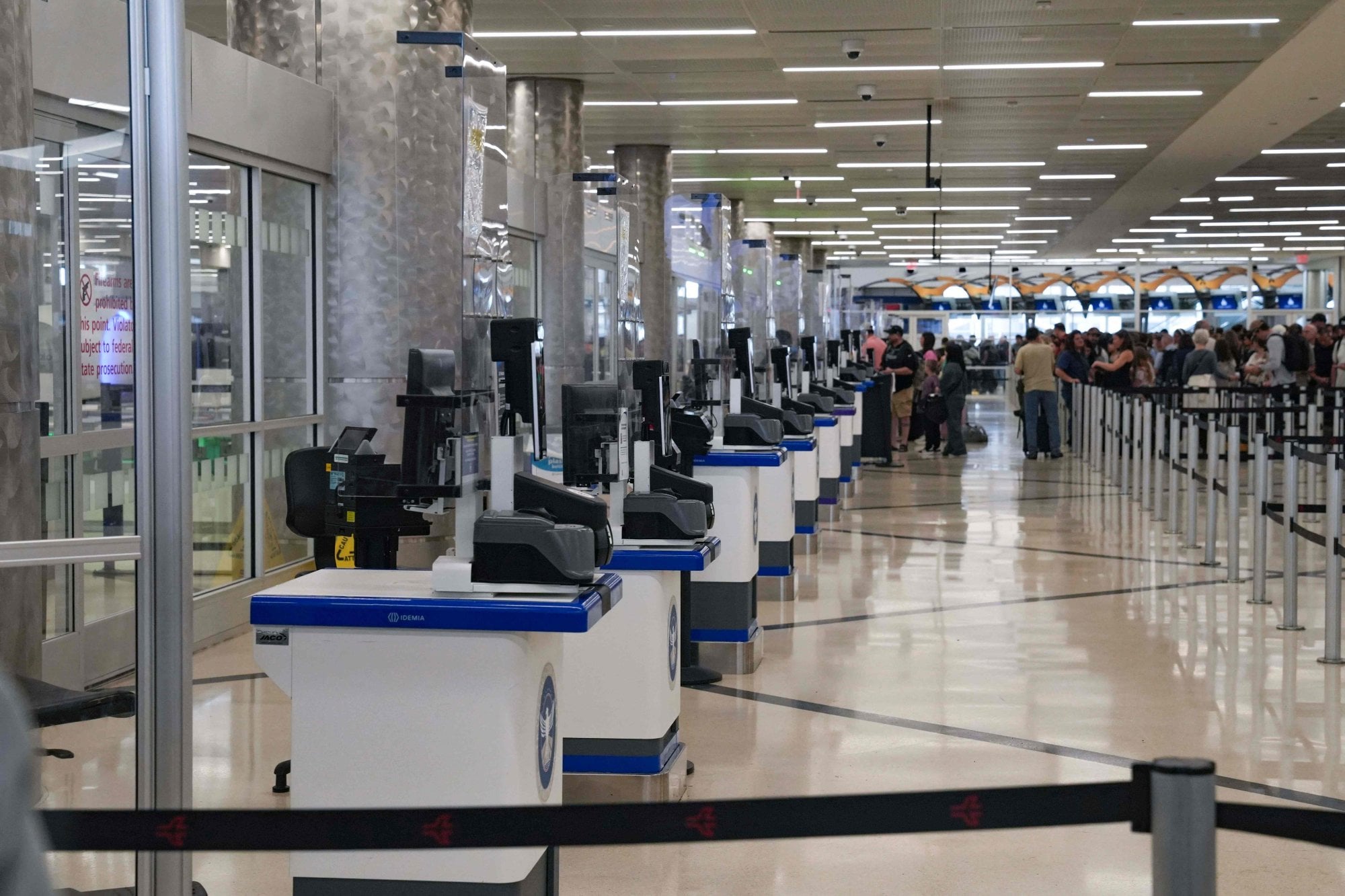
The United States is facing significant disruptions at its busiest airports as a protracted government shutdown enters its fifth week, leading to a surge in absences among Transportation Security Administration (TSA) workers. In response, the Department of Homeland Security (DHS) has ordered Immigration and Customs Enforcement (ICE) agents to supplement staffing at these critical hubs.
On Sunday, the DHS reported that worker absenteeism within the TSA had reached its highest point since the partial government shutdown commenced. This situation has placed immense pressure on airport operations, with a substantial portion of TSA staff calling in sick or being otherwise unavailable.
Widespread Staffing Shortages Impacting Key Airports
According to the DHS, major airports in Houston, New York, and Atlanta are experiencing particularly acute staffing challenges. At these locations, more than one-third of TSA personnel have been absent. This widespread disruption is a direct consequence of the ongoing budget standoff between congressional Democrats and Republicans over the DHS budget, which has left tens of thousands of federal employees working without pay.
To mitigate the immediate impact on airport security and passenger flow, hundreds of ICE agents are being deployed to airports beginning Monday. Government officials confirmed this measure, aimed at filling critical staffing gaps and ensuring the continued operation of air travel.
ICE Deployment: Operational Security and Conflicting Narratives
While the DHS stated it would not release specific details regarding the ICE deployment to preserve operational security, sources familiar with the plan indicated that ICE agents are slated to be assigned to 14 different locations. This number, however, is subject to change. Importantly, ICE personnel will not be stationed in areas beyond security checkpoints, as they lack the necessary clearance for such access.
The Mayor of Atlanta, Andre Dickens, confirmed that his office had been informed of ICE agents being sent to Hartsfield-Jackson Atlanta International Airport, the busiest airport in the United States by passenger volume, starting Monday. Federal officials have indicated that the deployment is intended to assist the TSA with crowd control and managing security lines within domestic terminals. They stressed that these activities are “not intended to conduct immigration enforcement activities.”
This clarification appears to contradict a social media post made by President Trump on Saturday. In his post, Trump suggested that the activities of ICE agents would include “the immediate arrest of all Illegal Immigrants who have come into our Country,” with a specific mention of Somalis. His administration has previously made unsubstantiated accusations of widespread fraud and corruption against this particular group.
The Root of the Problem: The Government Shutdown
The current crisis is intrinsically linked to the broader government shutdown. Democrats have been withholding funding for the DHS, demanding changes to the rules governing its immigration operations. These operations have been criticized for leading to the deaths of US citizens and sparking public outcry.
The DHS has reported that, over the past week, more than 9% of TSA employees have been absent from their duties. This has resulted in significantly longer queues for passengers attempting to reach their departure gates.
A DHS spokesperson articulated the hardship faced by TSA officers, stating, “Many TSA officers cannot pay their rent, buy food, or afford to put gas in their cars – forcing them to call out sick from work.” The situation is further compounded by resignations, as hundreds of TSA agents forced to work without pay have opted to leave their positions, according to their trade union and TSA itself.
Differing Perspectives on the Solution
Tom Homan, a former acting director of ICE, asserted that deploying immigration agents to bolster short-staffed TSA teams would expedite airport lines. However, the union representing TSA workers argues that this measure fails to address the fundamental issue of inadequate pay.
Homan expressed confidence in the ICE deployment, telling CNN’s “State of the Union” on Sunday, “When we deploy tomorrow, we’ll have a well thought-out plan to execute. ICE will do the job far better than ever done before!”
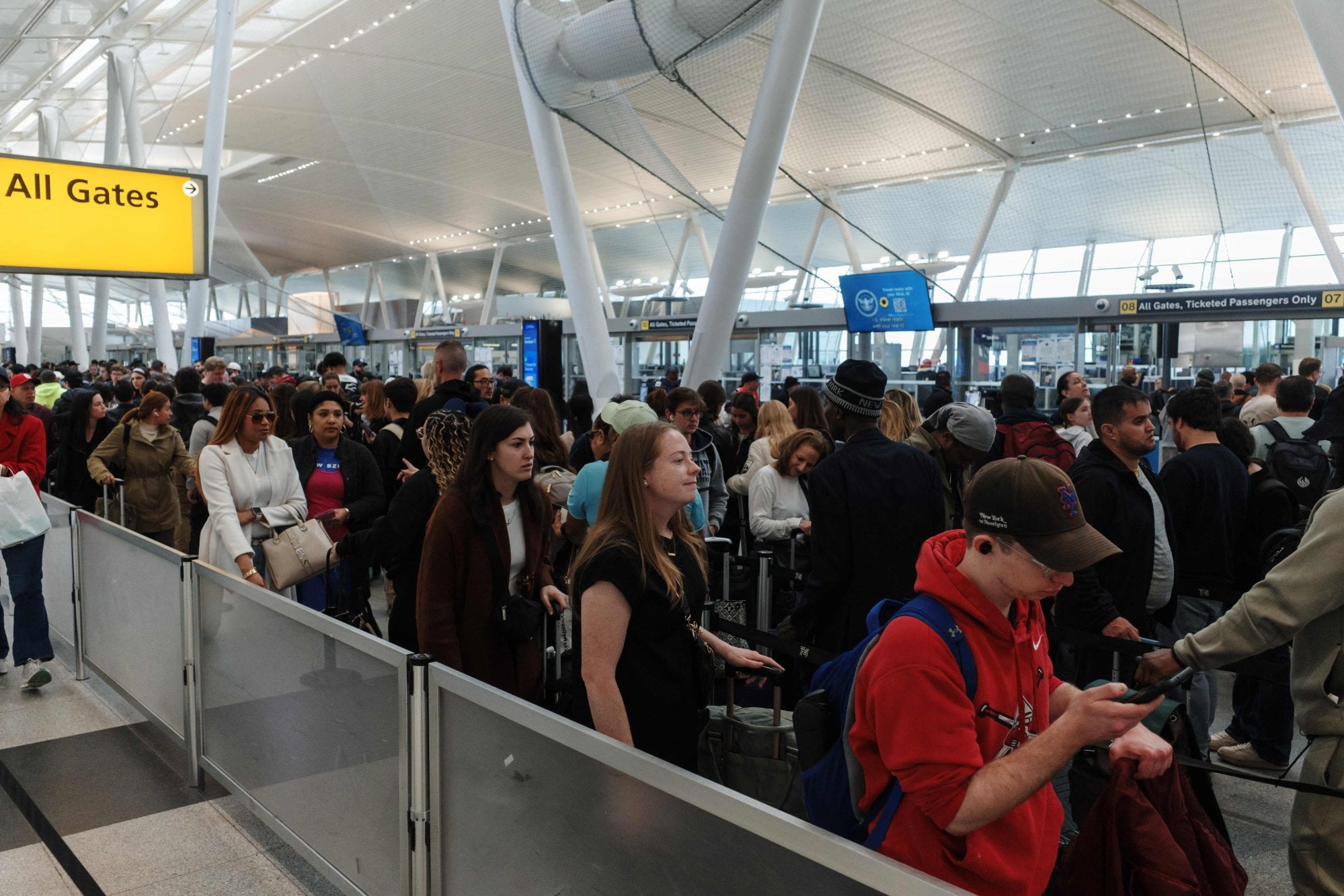
While specific details on how ICE agents would assist with passenger flow remained scarce, Homan indicated to CNN that a plan would be in place by the end of the day to “move those lines along.”
However, there were differing views on the practical application of ICE agents’ roles. Homan expressed doubt that ICE agents would operate X-ray baggage and passenger screening machines due to a lack of experience. Conversely, Transportation Secretary Sean Duffy suggested that ICE agents are capable, stating they “know how to pat people down, they know how to run the X-ray machines.”
The trade union representing TSA workers has voiced criticism of President Trump’s decision, emphasizing that their members undergo months of specialized training to detect explosives and weapons.
Unlike TSA employees, ICE agents have continued to receive their salaries, funded through a separate government provision, while lawmakers deliberate on whether ICE funding should be contingent upon new rules and procedures.
Calls for Reform and a Path Forward
Democrats have argued for the necessity of new rules, citing incidents where masked ICE agents have been involved in fatal shootings of US citizens. These incidents occurred earlier this year in Minneapolis, where individuals had reportedly come out to protest or observe President Trump’s surge in deportations in Minnesota.
Hakeem Jeffries, the minority leader in the US House of Representatives and a Democrat from New York, indicated to CNN that his party is open to a separate funding agreement for TSA employees. This would allow for continued funding of TSA operations while lawmakers debate measures to “get ICE under control.” Despite these discussions, tangible progress towards a comprehensive deal has been limited, particularly within the Senate.