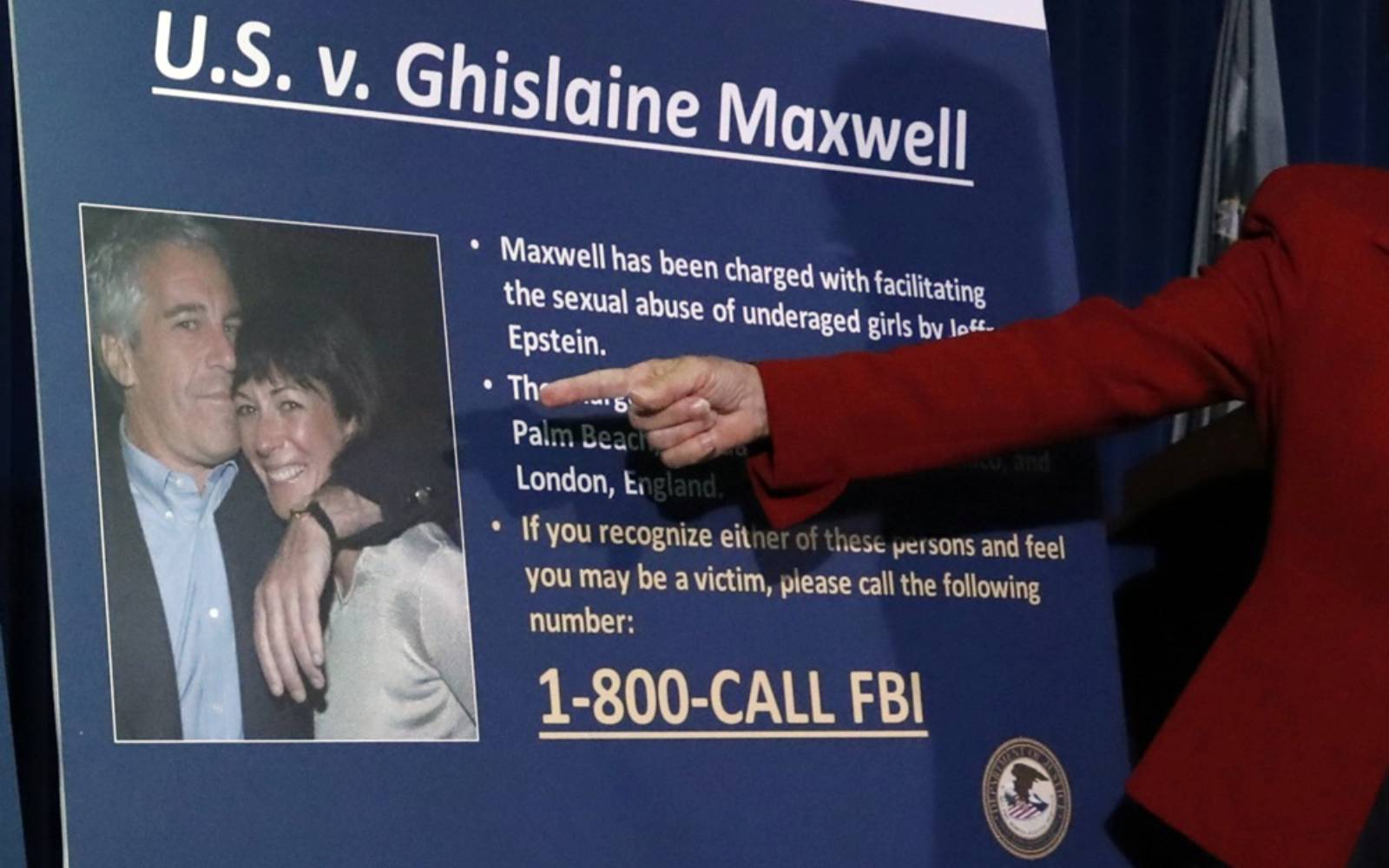
Ghislaine Maxwell Faces Congressional Inquiry Amidst Prison Sentence
Ghislaine Maxwell, currently serving a 20-year sentence for her role in trafficking underage girls for the late financier Jeffrey Epstein, is scheduled to undergo questioning by the US Congress. The deposition, conducted remotely via videolink from her prison facility, will be led by the House of Representatives’ Oversight Committee. This inquiry comes as the fallout from the Epstein scandal continues to reverberate, with numerous prominent political and business figures facing scrutiny or resignation due to their revealed associations with the convicted sex offender.
The House Oversight Committee’s investigation aims to thoroughly examine Epstein’s extensive network of connections to powerful individuals and to scrutinise how information pertaining to his criminal activities was managed. Despite the recent release of further government files related to Epstein, no new US prosecutions are anticipated from this latest batch of documents. However, the revelations have already ensnared many in scandal, leading to significant reputational damage and, in some cases, the abandonment of public office.
Maxwell’s legal team has indicated that she is expected to exercise her Fifth Amendment right against self-incrimination, a constitutional guarantee protecting individuals from being compelled to testify against themselves. This assertion of her rights means that her testimony may be significantly limited, if provided at all. Previously, Maxwell’s lawyers had sought a grant of legal immunity from Congress to facilitate her testimony, a request that was ultimately denied by lawmakers. Without such immunity, her legal counsel has stated her intention to invoke the Fifth Amendment.
Her attorneys have characterised the impending deposition as “purely political theatre” under the current circumstances, suggesting that the proceedings will yield little substantive information without assurances of protection. The Trump administration has also faced criticism regarding its handling of aspects of the Epstein case. Notably, Maxwell was transferred to a minimum-security prison in Texas last year, a move that occurred after she reportedly met twice with deputy attorney general Todd Blanche, who had previously represented former US President Donald Trump as his personal lawyer.
Donald Trump himself has a documented history as an associate of Epstein. However, he has not been summoned to testify before the Oversight Committee, which is currently chaired by members of his own Republican Party.
Broader Congressional Scrutiny and Calls for Transparency
The scope of the House Oversight Committee’s investigation extends beyond Maxwell. Also slated for deposition by the committee are former President Bill Clinton and his wife, former Secretary of State Hillary Clinton, both prominent figures within the Democratic Party. In response to their impending questioning, the Clintons have publicly advocated for their depositions to be conducted in an open, public forum. Their stated reason for this request is to mitigate any potential for their testimonies to be politicised by Republican members of the committee. This call for transparency underscores the highly charged political atmosphere surrounding the Epstein investigation and the desire of those involved to present their accounts without partisan interference. The committee’s efforts highlight the ongoing congressional commitment to uncovering the full extent of Epstein’s influence and the complicity of those who enabled his crimes. The depositions, whether public or private, are expected to provide further, albeit potentially limited, insights into the complex web of relationships Epstein cultivated.