Indigenous Assembly Members to Earn Substantial Salaries as Treaty Implementation Begins
The newly established Indigenous assembly in Victoria, formed under the state’s treaty legislation, will see its elected members receive significant remuneration, with co-chairs set to earn an annual salary of $348,000. This revelation comes as the state prepares for the inaugural elections of the 33-person body, known as Gellung Warl, which is slated to officially convene on May 1.
The substantial wage bill for the Gellung Warl assembly is projected to cost Victorian taxpayers approximately $6 million per year. Regular elected representatives within the assembly will receive an annual salary exceeding $197,000. Furthermore, those undertaking higher duties will be eligible for an additional $29,851 per annum.
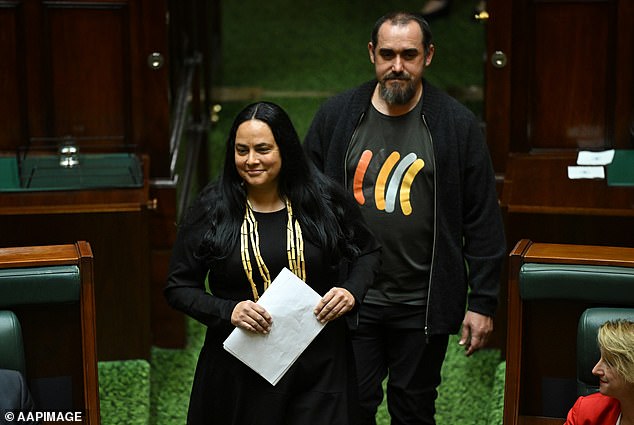
These salary figures represent a considerable increase compared to the current remuneration for members of the First Peoples’ Assembly of Victoria, who currently earn $96,946 annually. The First Peoples’ Assembly of Victoria will be dissolved once Gellung Warl assumes its responsibilities.
The new salary bands, endorsed by a panel that included a representative from the Victorian Independent Remuneration Tribunal, are positioned just below the $211,972 earned by elected Victorian parliamentary members.
Defining the Role and Time Commitment
Questions have been raised regarding the full-time commitment expected of Gellung Warl members. A recently released document indicates that while the role is “expected” to be full-time, this will be determined collaboratively by the members themselves once they commence their duties. The document states, “Members will decide together on the specific time commitment when they start.”
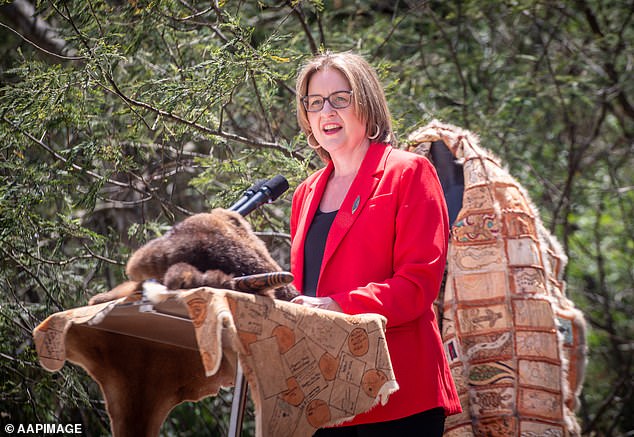
The same document also outlines that Gellung Warl officials “may take on other employment while in the role, provided they do not work in government departments or for ministers or politicians.” The expectation of a full-time role is reiterated, with the flexibility for members to collectively decide on their time commitment, potentially including holding other paid or unpaid roles on a part-time or occasional basis to fulfill community or cultural obligations.
Justification for Remuneration and Treaty Objectives
A spokesperson for the First Peoples’ Assembly of Victoria defended the new salary structure, asserting that the remuneration is “justified” by the critical nature of the roles in representing Indigenous Victorians and their pivotal function in the treaty rollout. The spokesperson highlighted that the members’ stipends were determined by an Independent Remuneration Panel, adhering to best practices, and are set at a level slightly lower than that of a state Member of Parliament.
The responsibilities of Gellung Warl members are likened to those of State MPs, encompassing decision-making and advocacy on behalf of their constituents. This includes preparing for and participating in briefings and meetings, attending community events, engaging with community members, and fostering relationships within the broader Victorian community.
The spokesperson further elaborated that the initial two terms of Gellung Warl will focus on a “Treaty-making process from the ground up.” This follows Victoria’s pioneering efforts, including the nation’s first official truth-telling process and the negotiation and parliamentary passage of Australia’s first Treaty.
Broader Implications of the Treaty
The upcoming election for Gellung Warl is anticipated to involve over 30,000 eligible Indigenous Victorians. The treaty process, which commenced in 2016, has already incurred an estimated cost of $776 million. Gellung Warl is allocated an annual budget of $70 million in taxpayer funding, a figure subject to regular review and expected to increase over time.
The controversial treaty bill, introduced by the Jacinta Allan-led Labor government last September, details significant reforms. A key aspect is the mandatory inclusion of “truth-telling” in the Victorian school curriculum for all students from preparatory to Year 10. This curriculum will educate students on the historical establishment of the “colony of Victoria without the consent, negotiation or recognition of the traditional owners of these lands and waters.”
Further proposals debated include potential restrictions on access to alpine areas for skiing and snowboarding, as well as hunting and fishing, at the request of Aboriginal groups.
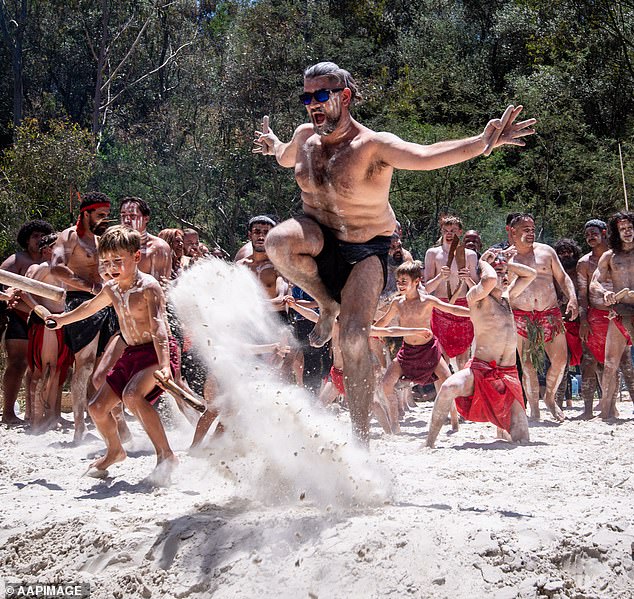
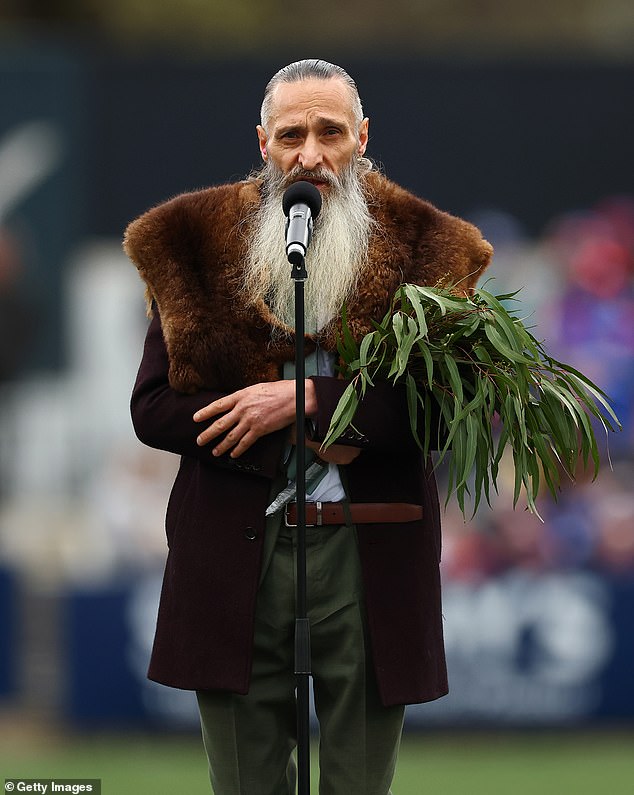
Under the treaty reforms, Gellung Warl is designated to “participate in the ceremonial life of the state,” which could lead to an increase in Welcome to Country ceremonies. The assembly will also hold authority over the use of the Aboriginal and Torres Strait Islander flags and other “physical markers of treaty.”
Additionally, Gellung Warl will be empowered to establish “substantive rules relating to how First Peoples’ organisations in Victoria provide certificates evidencing that a person is accepted as an Aboriginal or Torres Strait Islander person by the Aboriginal or Torres Strait Islander community.” The body will also function as a “naming authority” for geographical locations, including mountains, state parks, and rivers, with the aim of promoting the use of traditional or language place names.