Cuba Faces Critical Fuel Shortage, Halting Jet Fuel Supplies Amidst US Pressure
Cuba has issued a stark warning to airlines, announcing a month-long suspension of jet fuel supplies due to a severe energy crisis. This critical situation has been exacerbated by what Cuban officials describe as US actions targeting Venezuela, a key oil supplier to the island nation. The suspension, effective from midnight on Monday into Tuesday, means that airlines serving Cuba will be unable to refuel their aircraft on the island.
An official from a European carrier, speaking anonymously to AFP, confirmed the directive. This development forces airlines to reconsider their flight plans and logistics for routes originating from or passing through Cuba. Long-distance flights, in particular, will now necessitate an additional stopover to procure necessary jet fuel, a requirement that will undoubtedly impact operational efficiency and potentially increase travel times and costs for passengers.
Air France has already confirmed that its aircraft will be rerouted to other locations within the Caribbean to secure the required fuel. This strategic adjustment highlights the immediate and widespread implications of Cuba’s energy deficit on international air travel.
The root cause of this escalating crisis is attributed to a US-imposed halt on oil shipments from Venezuela. This disruption follows the recent political developments in Venezuela, where American forces reportedly played a role in the ousting of President Nicolas Maduro. Cuba, heavily reliant on Venezuelan oil, is now grappling with the severe consequences of this severed supply line.
Nationwide Emergency Measures Implemented
In response to the deepening energy crisis, the Cuban government announced a series of stringent emergency measures on Friday. These initiatives are designed to conserve dwindling resources and mitigate the impact of widespread power outages. Among the most significant measures is the implementation of a four-day work week for all state-owned companies. This decision aims to reduce overall energy consumption associated with daily operations.
Furthermore, restrictions have been placed on fuel sales across the island, signaling the severity of the shortage. The “belt-tightening” measures extend to public transportation, with a notable reduction in bus and train services connecting different provinces. To further conserve energy and resources, several tourist establishments have also been temporarily closed.
The impact of these measures will also be felt within the educational sector. School days are being shortened, and universities are set to relax their requirements for in-person attendance, likely encouraging remote learning where feasible. These adjustments underscore the pervasive nature of the energy crisis, affecting nearly every facet of Cuban life.
Escalating US Pressure on Cuba
The current energy crisis is unfolding against a backdrop of intensified pressure from Washington on Cuba’s communist government. In recent weeks, the United States has taken several actions aimed at isolating and weakening the island’s economy. The cessation of oil deliveries from Venezuela, a staunch ally of Cuba, is a prime example of this strategy. The US move to cut off these crucial oil supplies occurred shortly after the ouster of Maduro in early January.
Adding to the pressure, President Donald Trump signed an executive order that empowers the US to impose tariffs on any country that continues to supply oil to Havana. This directive has had a significant impact, with Mexico, a supplier of oil to Cuba since 2023, reportedly ceasing its shipments under the threat of these US tariffs.
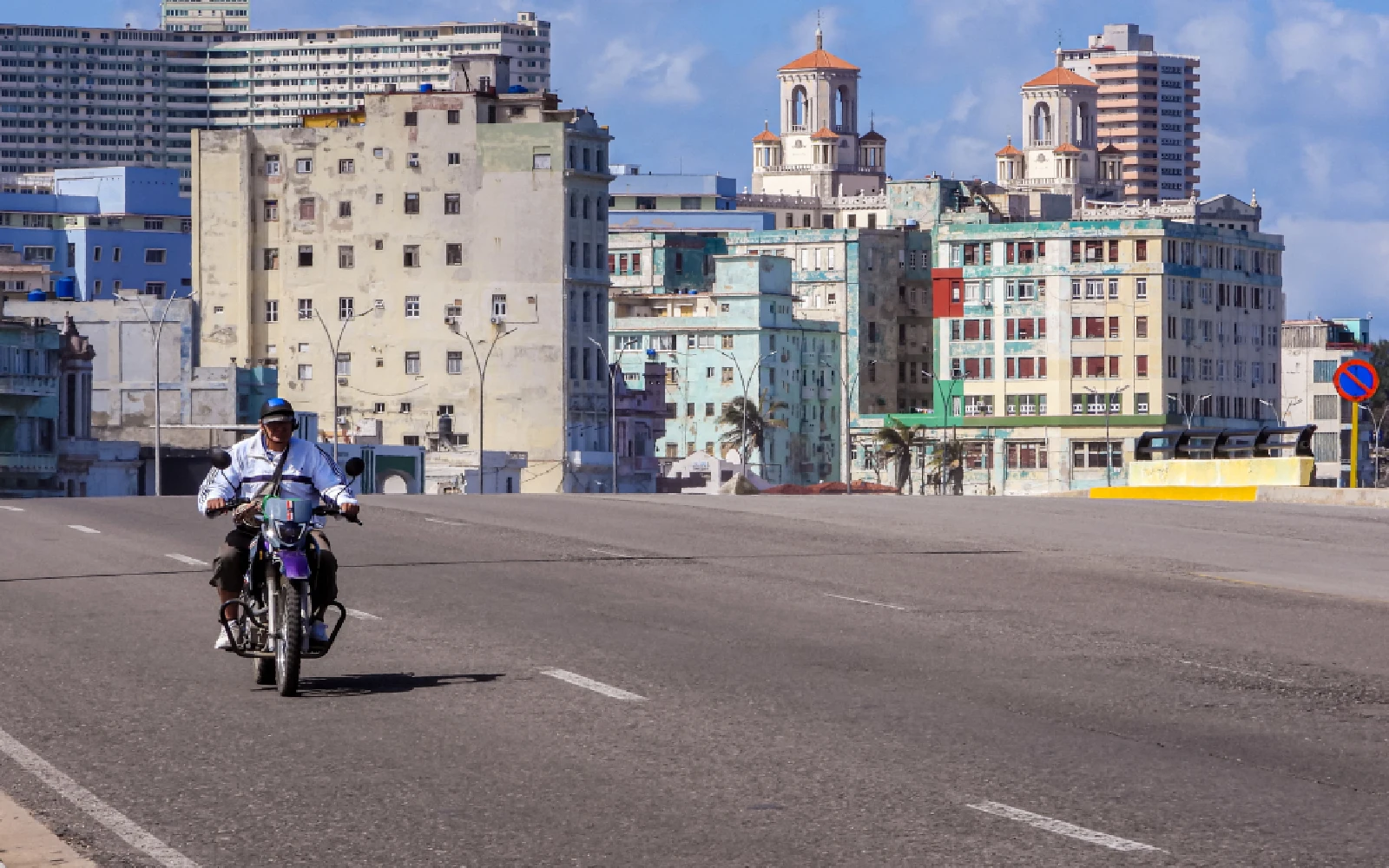
The cumulative effect of these actions has created a precarious situation for Cuba, with the oil shortages threatening to plunge the entire island into darkness. Power plants are reportedly struggling to maintain electricity supply, leaving citizens vulnerable to extended and frequent blackouts.
Cuba’s Stance and Potential for Dialogue
The Cuban government views these US actions as a deliberate attempt to “strangle” its economy. Power cuts and fuel shortages have been a recurring challenge in Cuba in recent years, but the current situation has reached unprecedented levels of severity.
Despite the escalating tensions, Cuban President Miguel Diaz-Canel has expressed his country’s willingness to engage in talks with the United States. However, he emphasized that any dialogue must not occur under duress or pressure. This stance indicates a desire for diplomatic resolution while firmly rejecting concessions made under duress. The ongoing energy crisis, fueled by external pressures and internal economic challenges, presents a significant test for the Cuban government and its resilience.