Trump Criticises Super Bowl Halftime Show, Citing Language Barriers
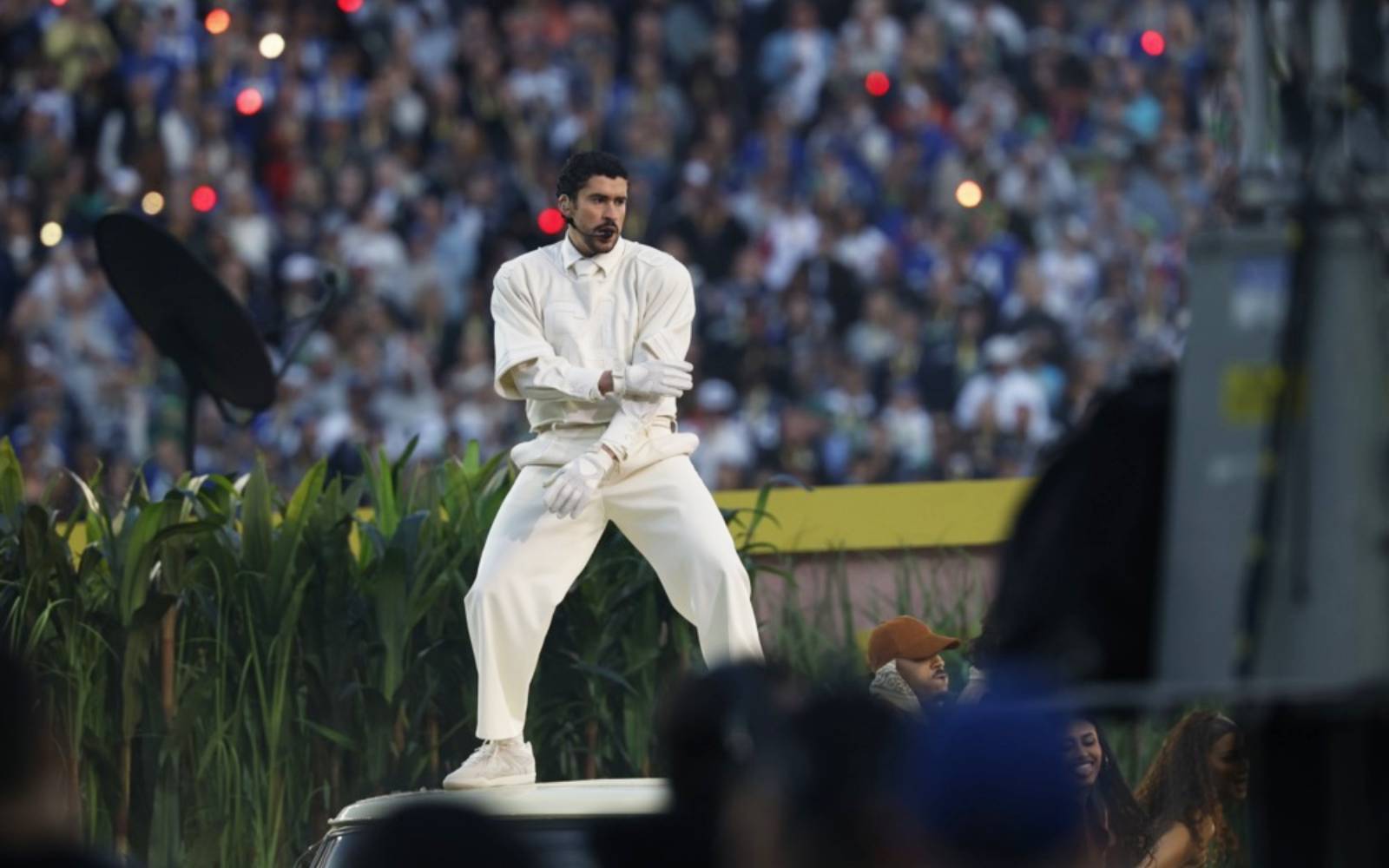
Former US President Donald Trump has voiced strong disapproval of the recent Super Bowl halftime performance, describing it as an “affront” to the nation. His criticism primarily focused on the performance by Puerto Rican artist Bad Bunny, citing a perceived lack of understanding of the Spanish-language lyrics as a major issue.
“Nobody understands a word this guy is saying,” Trump stated on his social media platform, Truth Social. This assertion stands in contrast to official government data, which indicates that a significant portion of the American population, over 41 million individuals, speak Spanish. The performance, which served as a celebration of Puerto Rico, the US territory where Bad Bunny was born, was also labelled as “absolutely terrible” by the former president.
The Super Bowl halftime show has long been a focal point of cultural commentary, often sparking debate about artistic expression, national identity, and the evolving demographics of the United States. This year’s iteration, featuring a globally recognised artist performing in Spanish, undoubtedly tapped into these ongoing conversations.
Examining the Cultural and Linguistic Context
Bad Bunny’s selection for the halftime show represented a notable moment, highlighting the increasing influence of Latin music and culture within mainstream American entertainment. His performance not only showcased his musical prowess but also served as a platform to celebrate Puerto Rican heritage. This choice reflects a broader trend of diversification in major cultural events, aiming to resonate with a wider and more varied audience.
The artist’s decision to perform predominantly in Spanish was seen by many as a powerful statement of cultural pride and a recognition of the growing Spanish-speaking population in the United States. It offered a moment of representation for millions of Americans for whom Spanish is their primary language or a significant part of their cultural identity.
However, the former president’s reaction brings to the forefront a recurring tension in American discourse: the role of language in national unity and cultural integration. While some view the embrace of diverse languages as a sign of a maturing and inclusive society, others express concerns about potential communication barriers or a perceived departure from established national norms.
Data and Demographics: The Spanish-Speaking Population in the US
The claim that “nobody understands” the performance overlooks the substantial Spanish-speaking demographic within the United States. According to the US Census Bureau, Spanish is the second most commonly spoken language in the country, with millions of households regularly using it. This linguistic diversity is a fundamental aspect of modern America, influencing everything from commerce and education to media consumption.
The presence of Spanish in popular culture, including major events like the Super Bowl, is therefore not an anomaly but rather a reflection of this demographic reality. Artists like Bad Bunny are not just reaching a global audience; they are also speaking directly to a significant and growing segment of the American populace.
The Role of Halftime Shows in Cultural Dialogue
Super Bowl halftime shows have historically served as more than just musical interludes; they are significant cultural moments that can reflect and shape societal conversations. From iconic performances by legendary artists to more contemporary spectacles, each show becomes a subject of widespread discussion and analysis.
The decision to feature an artist like Bad Bunny, who champions his heritage and performs in his native language, can be interpreted in several ways:
- Cultural Empowerment: It provides a platform for artists from underrepresented backgrounds to showcase their talent and cultural identity on a massive stage.
- Demographic Recognition: It acknowledges the significant and growing influence of the Hispanic and Latino communities in the United States.
- Artistic Evolution: It signals a willingness by major event organizers to embrace diverse musical genres and languages, reflecting the evolving landscape of popular music.
Conversely, as seen in the former president’s remarks, such choices can also generate controversy. Debates around language, representation, and cultural expression are often amplified during high-profile events, revealing differing perspectives on what constitutes “American” culture.
The Super Bowl halftime show, in this instance, has become a focal point for these broader discussions, highlighting the dynamic interplay between cultural trends, demographic shifts, and political commentary in the United States. The performance, intended as a celebration, has undeniably sparked a wider dialogue about language, heritage, and national identity.