Escalating Conflict and Its Impact on Iran’s Healthcare System
As tensions between the United States, Israel, and Iran continue to rise, the ongoing conflict has led to a series of airstrikes that have significantly impacted Iran’s healthcare infrastructure. According to warnings from doctors and activists, these attacks are not only targeting military sites but also pharmaceutical and medical facilities, which are crucial for providing essential care to thousands of patients.
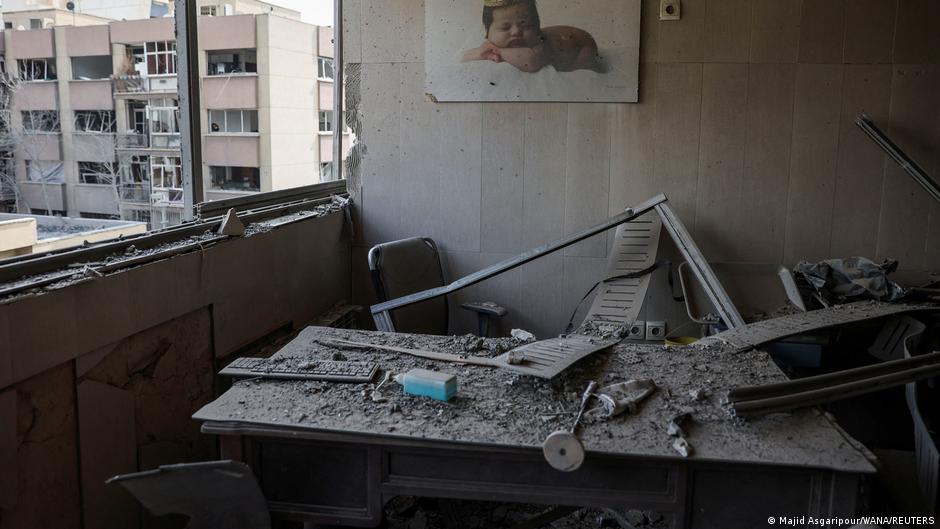
The prolonged bombing campaign has placed immense pressure on Iran’s healthcare system. Multiple reports indicate that many pharmaceutical factories and medical facilities have been hit since the US and Israel launched their strikes in late February. The World Health Organization (WHO) confirmed that the Tofigh Daru facility, known for producing cancer treatment drugs, was among those damaged by the bombing. WHO Chief Tedros Adhanom Ghebreyesus stated that the attacks also targeted the Pasteur Institute, a psychiatric hospital, and another hospital outside Tehran. Over 20 attacks on Iran’s healthcare system have been verified, with at least nine deaths reported.
International Law Experts Condemn the Attacks
A group of over 100 international law experts based in the US, including professors from Harvard, Yale, and Stanford, have criticized the airstrikes for hitting schools, health facilities, and homes. They cited reports from the Iranian Red Crescent, which indicated that 236 health centers were bombed within three weeks of the war beginning. Their letter described the US and Israel’s actions as a “clear violation of the United Nations Charter” and raised concerns about potential violations of international humanitarian law, including possible war crimes.
Conflicting Accounts About Tofigh Daru
Following the bombing of Tofigh Daru last week, Iran’s Deputy Health Minister Mehdi Pirsalehi claimed the facility was struck by a “direct missile strike.” He noted that the plant was one of the leading manufacturers of active ingredients for hospital medications and surgical drugs, and that the attack destroyed production lines and research departments.
Israel confirmed the attack but accused Tofigh Daru of using its civilian status as a “cover” while supplying chemicals to the Iranian regime. The Israeli military stated that the chemicals included fentanyl, a highly addictive anesthetic, which was allegedly used for chemical weapons research. However, independent verification of these accounts remains difficult. In international pharmaceutical registries, Tofigh Daru is listed as a manufacturer of pharmaceutical ingredients, including oncology medications and anesthetics.
Cancer Patients in Crisis
Doctors and activists from Iran have highlighted the dire situation facing cancer patients. Dr. Hassan Nayeb-Hashem, based in Vienna, explained that Tofigh Daru produced a broad range of essential medicines, including strategic active ingredients. He warned that the recent attacks have disrupted the domestic supply chain, making it extremely difficult to procure these medicines from abroad under current conditions. Cancer treatment in Iran is expensive, with costs equivalent to one or two monthly salaries, and many patients face limited access to imported medication.
Both Nayeb-Hashem and his colleague Hamid Hemmatpour emphasized that the destruction of medical facilities constitutes a war crime under the Geneva Conventions and UN regulations. These protections can only be removed if a facility is used for military purposes.
Dire Medical Shortages
Hemmatpour, also based in Vienna, warned that the destruction of Iran’s pharmaceutical industry could be a “death blow” for its healthcare system. He pointed to a case where a cancer patient in Tehran struggled to obtain even basic chemotherapy medications through local charities. “The emergency is dire,” he said.
Doctors Leaving Iran
Another critical issue is the exodus of experienced doctors from Iran. Many with dual nationalities have left the country via borders with Armenia or Turkey, while others have been prevented from leaving. This has led to a significant shortage of medical professionals, especially in major cities like Tehran. In some areas, a single doctor may treat up to 300 patients daily, according to Hemmatpour. The situation is even worse outside the capital, where specialized care is scarce.
Long-Term Consequences
Nayeb-Hashem warned that the effects of the war will likely persist long after hostilities end. He noted that the Iranian government may prioritize rebuilding military facilities over restoring healthcare infrastructure, further endangering the population’s well-being.