A Daring Rescue Operation in the Heart of Enemy Territory
The United States military executed one of the most audacious special operations in its history, successfully rescuing a U.S. airman deep within Iranian territory. The operation, which unfolded over two days, involved hundreds of special forces and multiple branches of the U.S. military, showcasing both the complexity and high stakes of the mission.
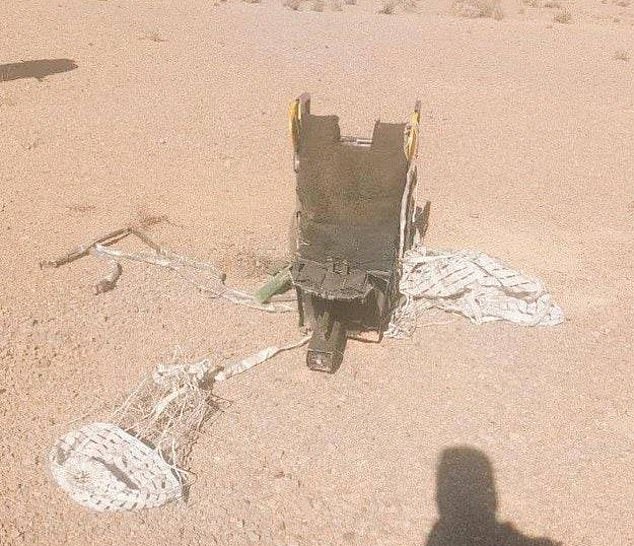
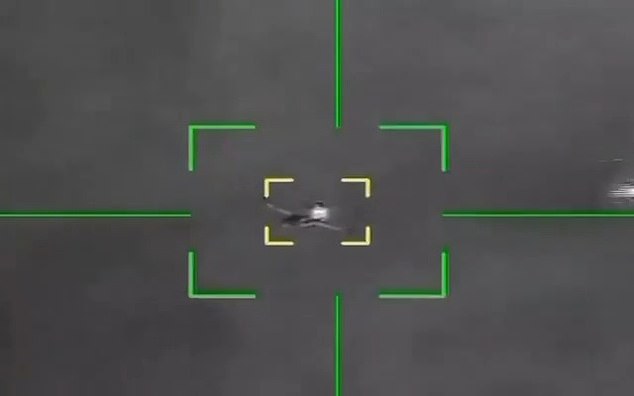
On Friday morning, an F-15E Strike Eagle was shot down near the village of Talkhuncheh in Isfahan Province, Iran. Both the pilot and the weapons systems officer ejected from the aircraft, but the pilot was quickly rescued by HH-60W Jolly Green 2 helicopters. However, the second crew member, a lieutenant colonel, found himself stranded in the treacherous mountain range behind enemy lines.
Survival and Evading Capture
The injured colonel, armed only with a handgun, used his survival training to evade capture. He hiked through the mountains, climbing up to 7,000 feet and covering at least 20 kilometers. He activated his emergency beacon sparingly to avoid detection by Iranian forces, who had offered a $60,000 reward for his capture. Meanwhile, the CIA launched a deception campaign, spreading false information that the officer had already been located, buying time for the actual rescue operation.
Over the next 24 hours, the colonel remained hidden, using his SERE (Survival, Evasion, Resistance, and Escape) training to stay alive. MQ-9 Reaper drones monitored his location, and any Iranians who came within three kilometers were attacked. Despite this, the colonel managed to remain undetected until the CIA located him.
The Rescue Mission
On Saturday morning, elite SEAL Team 6 commandos, also known as DEVGRU, launched a second rescue mission. They landed at a desert airstrip near the town of Mahyar and used four MH-6 Little Bird helicopters to extract the colonel from the mountain top. After a successful extraction, the team returned to the airstrip to prepare for evacuation.
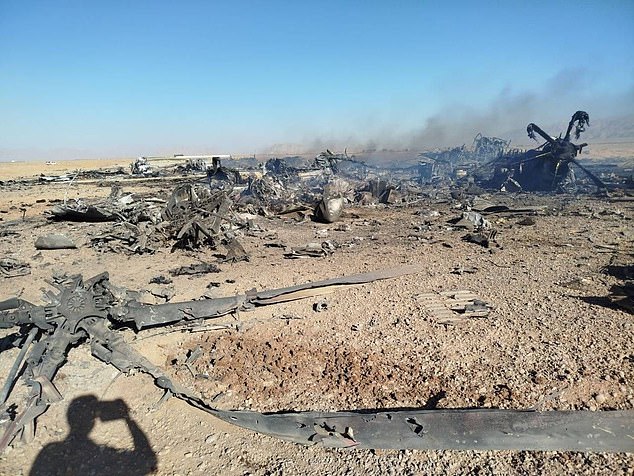
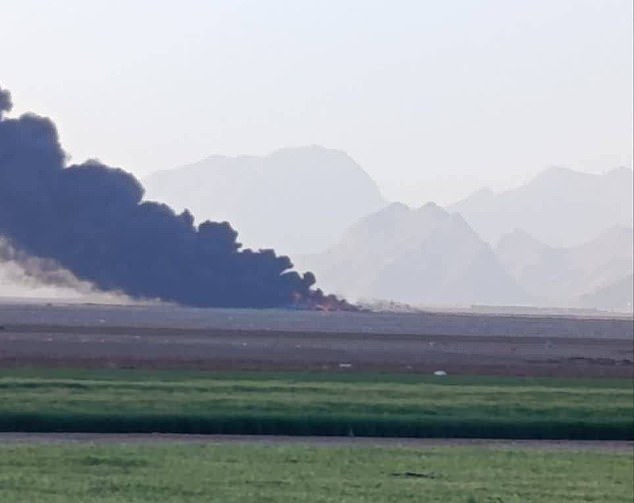
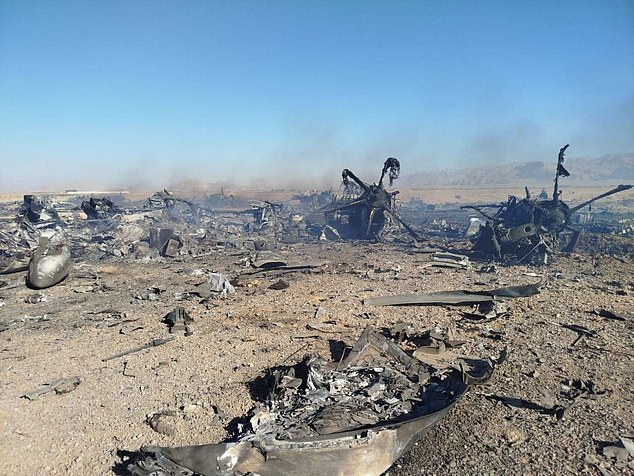
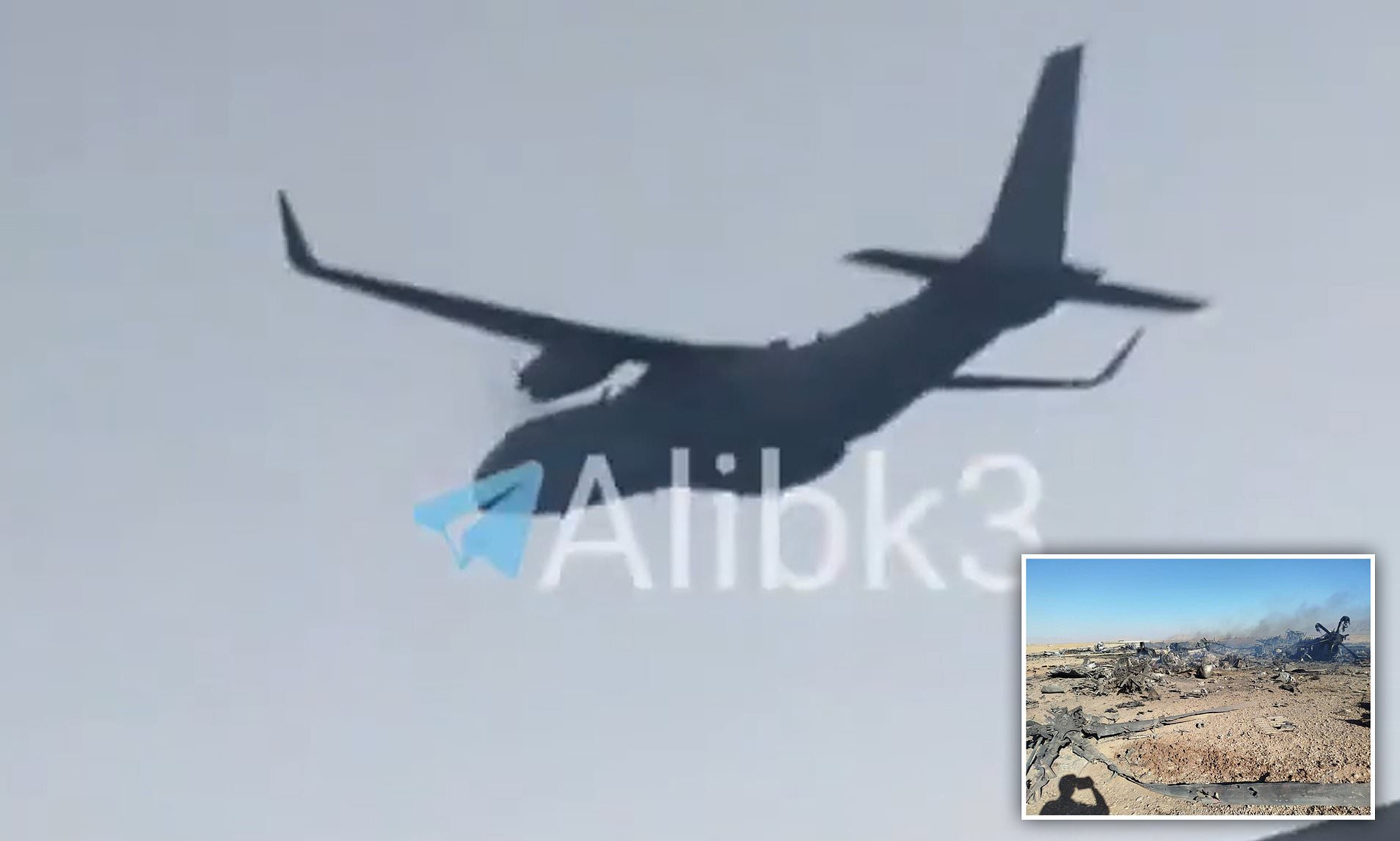
However, disaster struck when two C-130 transport planes and one helicopter became stuck in the mud, leaving more military personnel stranded behind enemy lines. As Basij fighters closed in on the site, three additional transport planes were deployed to evacuate the downed airman and the rescue party under gunfire from the advancing Iranians.
Escaping Under Fire
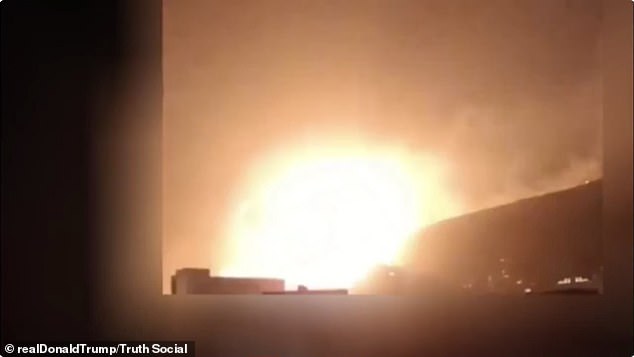
Miraculously, all forces escaped unharmed, marking what many are calling the most daring U.S. special operation in history. As they left, the Americans were forced to destroy their stricken aircraft to prevent them from falling into Iranian hands. This move likely cost millions of dollars, highlighting the urgency of the evacuation under extreme pressure.
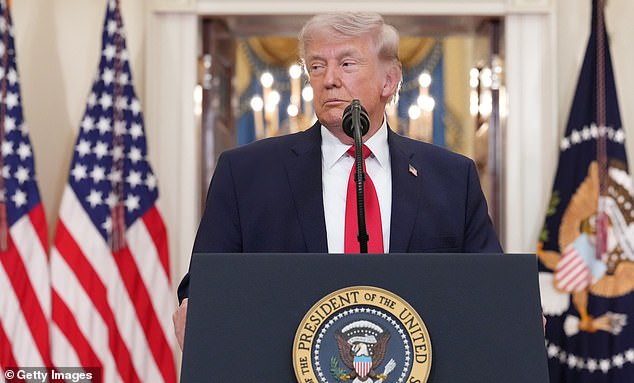
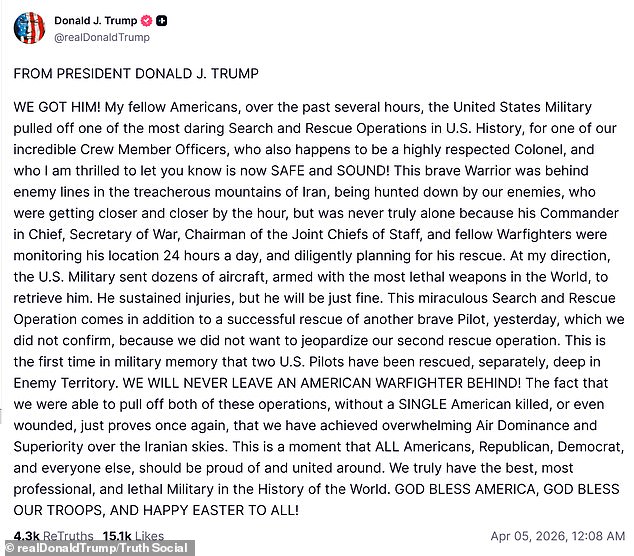
Iranian media claimed they shot down the two transport planes, but provided no evidence to support their claims. They later accused the U.S. of staging a “cover-up” to mask Trump’s defeat. In contrast, President Trump hailed the mission as a success, stating it proved American “dominance and superiority” over Iranian skies.
Aftermath and Reactions
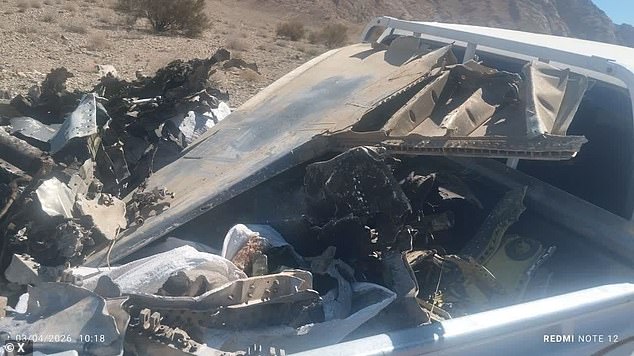
The rescue operation did not go unnoticed by Iranian officials. The Iranian Revolutionary Guards took credit for the downing of the F-15E jet, sharing photos of the wreckage on state media. They also released images of the destroyed aircraft, claiming it was a result of their “aerospace warriors.” Meanwhile, Iranian parliamentary speaker Mohammad Ghalibaf taunted the U.S., suggesting that the war had shifted from “regime change” to “Hey! Can anyone find our pilots? Please?”
The U.S. military emphasized that no American soldiers were killed or wounded during the operation. However, there were reports of injuries among the pilot’s rescue crew and the colonel himself. Iranian forces reportedly suffered casualties during the operation, though no official figures were released.
Broader Context and Implications
The rescue came amid heightened tensions between the U.S. and Iran. Just days earlier, Trump issued an ultimatum, giving Iran 48 hours to cut a deal or face “all Hell” if they did not comply. Iran rejected the threat, calling it “helpless, nervous, unbalanced, and stupid.”
Meanwhile, Pakistan offered to mediate efforts to end the conflict, with its foreign minister speaking to his Iranian counterpart. However, violence continued, with Iran launching missiles and drones at Israel and Kuwait. Air defenses in several countries responded to the attacks, underscoring the ongoing instability in the region.