The Seizure of the Korea Chemi: A Maritime Incident with Deeper Implications
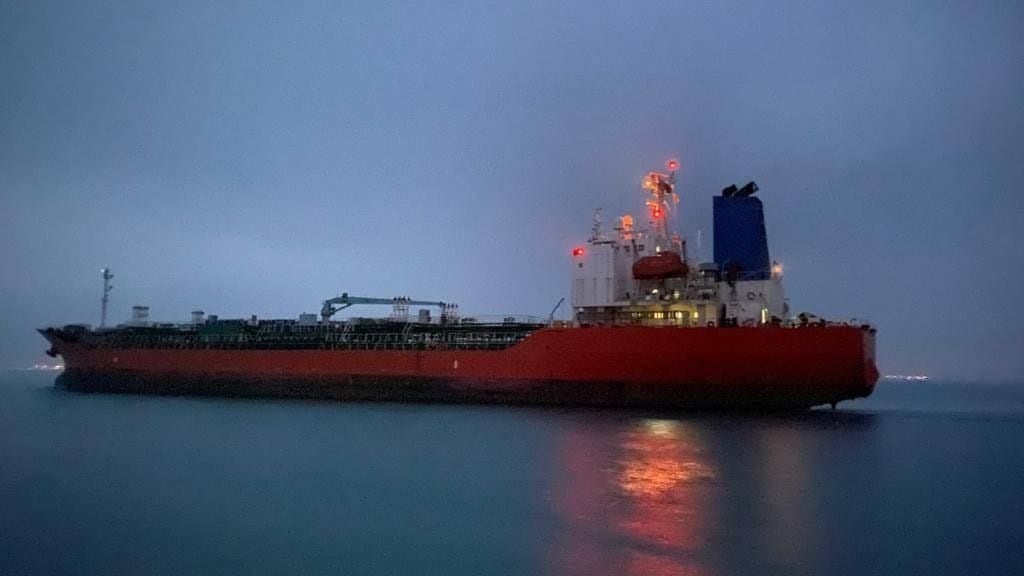
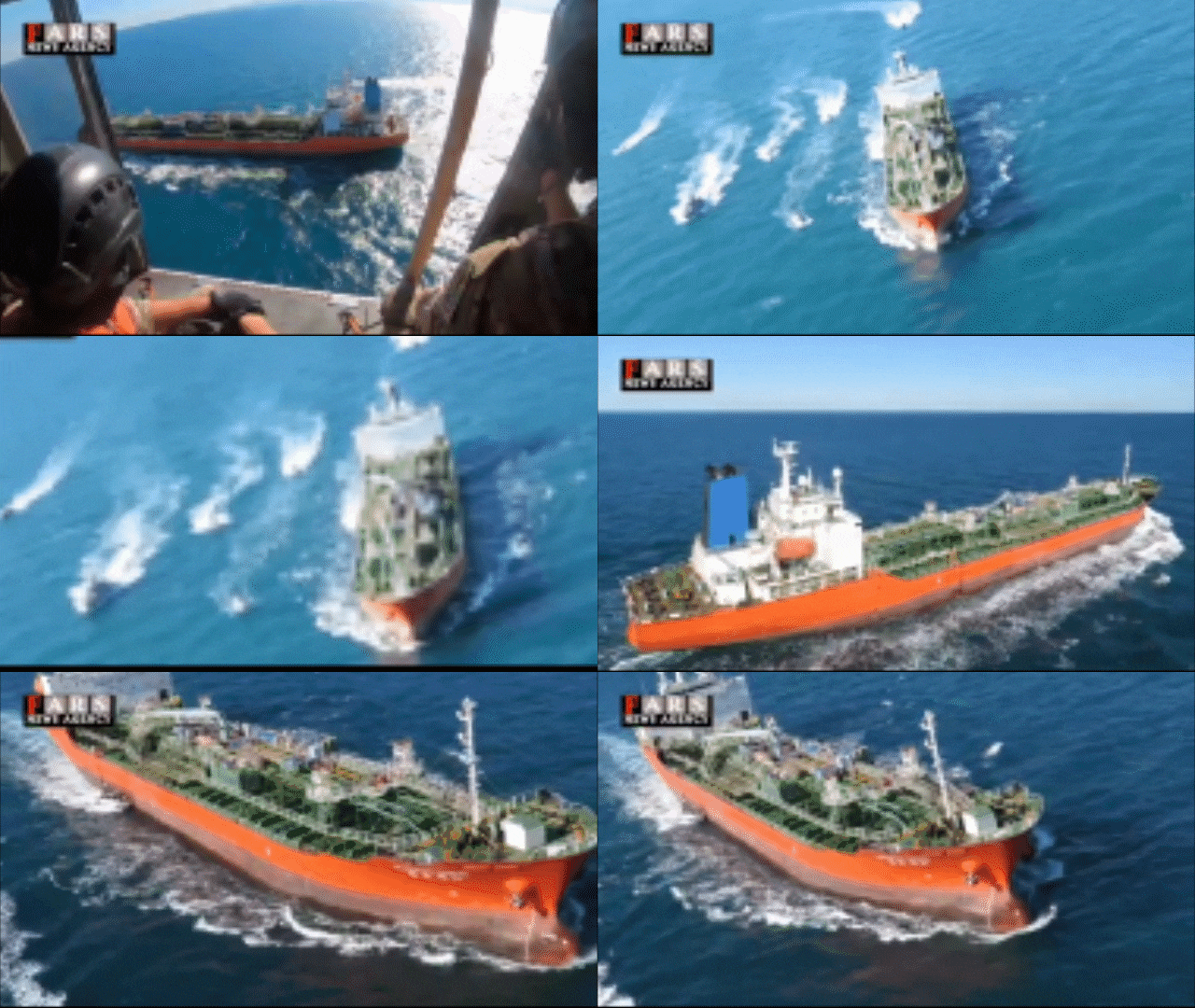
On January 4, 2021, the Ministry of Foreign Affairs was put on high alert when Iran’s Revolutionary Guard Corps (IRGC) seized the South Korean-flagged vessel ‘Korea Chemi,’ which was carrying methanol and other chemicals. The operation took place near the Strait of Hormuz, and the IRGC cited “marine pollution” as the reason for the seizure. Twenty crew members, including five South Koreans, were detained. According to footage released by the IRGC, the operation involved at least five vessels, including speedboats and a helicopter. While the stated reason was a pretext, the real motive behind the seizure was linked to a broader dispute over frozen funds.
At the time, South Korea had frozen approximately 8 trillion Korean won (around 7 billion U.S. dollars at the time’s exchange rate) in Iranian crude oil import payments in domestic banks, following U.S. sanctions against Iran. Iran had proposed using these funds to purchase COVID-19 vaccines, and negotiations were underway. The seizure occurred just as First Vice Foreign Minister Choi Jong-kun was preparing to visit Iran for discussions.
Ship Seizure Exposes Frozen Funds Dispute
In 2021, the world was still grappling with the challenges of the COVID-19 pandemic. Iran, struggling to secure vaccines, proposed using the frozen funds for vaccine purchases. In response, the Moon Jae-in government began consultations with the U.S. The South Korean government analyzed that Iran had seized the vessel to gain leverage in the negotiations. When the Ministry of Foreign Affairs summoned the Iranian ambassador to South Korea to protest the seizure, an Iranian government spokesperson retorted, “If there is a hostage situation, it is South Korea that froze 7 billion dollars,” directly linking the frozen funds to the seizure.
The South Korean government dispatched the Cheonghae Unit’s Choi Young vessel to the Strait of Hormuz and held emergency meetings, including a National Security Council (NSC) session. The National Assembly’s Foreign Affairs and Unification Committee also convened an urgent meeting. The U.S. State Department stated, “The U.S. supports South Korea’s demand for the immediate release of the cargo ship.”
The 8 Trillion Won Issue: Origins in 2010 Sanctions
The core of the incident was the approximately 8 trillion Korean won frozen in South Korea. These funds were frozen in 2018 when the Trump administration withdrew from the Iran nuclear deal and intensified sanctions. The 8 trillion won was the largest portion of Iran’s overseas assets.
Why were Iranian funds frozen in South Korean banks? The story begins in 2010, when the Obama administration decided to sanction Iran over its nuclear program, emphasizing that a “second North Korea” in the Middle East could not be tolerated.
As a Washington correspondent at the time, I felt the Obama administration’s strong stance. The U.S. State Department highlighted to reporters, including myself, that over 30 countries, including the EU, Australia, and Canada, were imposing independent sanctions.
Obama Administration Pressures South Korea on Iran Sanctions
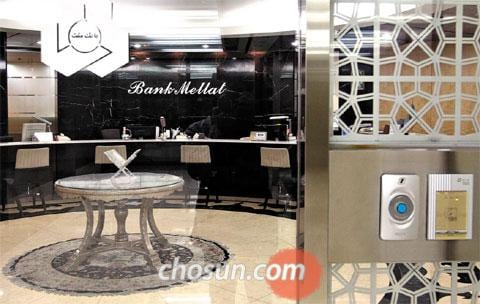
The Obama administration’s urgency stemmed from the presence of Bank Mellat, Iran’s second-largest bank, which had a branch in Seoul. Established in 2001, the Seoul branch had transactions with over 20 conglomerates and 2,000 small and medium-sized enterprises. The U.S. viewed the branch as a hub for Iran’s illicit activities in Asia.
A Washington diplomatic source said, “The Obama administration believes the Seoul branch of Bank Mellat is linked to Iran’s illegal activities in Asia and hopes South Korea, as an ally, will take the lead in severing ties.” Another source added, “President Obama, who advocates a ‘nuclear-free world,’ is closely watching South Korea’s moves.” The U.S. Congress, which had passed the Iran Sanctions Act, was also keenly interested in South Korea’s participation.
Bank Mellat’s Closure and the Won Payment System
The Lee Myung-bak government initially hesitated to impose sanctions until the U.S. finalized its Iran sanctions regulations. However, U.S. lawmakers warned that South Korea’s delay could set a negative precedent for other countries. A U.S. official remarked, “President Obama has consistently supported South Korea on issues like North Korea’s nuclear tests and the Cheonan sinking. If South Korea does not actively participate in sanctions, tensions could arise.”
South Korea faced a dilemma as Bank Mellat’s Seoul branch was identified as a key node in Iran’s financial network. However, it could not ignore U.S. pressure. In September 2010, the South Korean government announced sanctions, suspending the Seoul branch’s operations for two months—a de facto closure. Even after the suspension lifted, all transactions required Bank of Korea approval, making normal operations impossible. A former high-ranking official who received the U.S. closure request said, “We felt sorry for Iran, but the U.S. position was too strong to resist.”
With dollar transactions blocked, South Korea introduced a won-based payment system. Accounts were opened at Woori Bank and IBK Industrial Bank to settle trade in won. When South Korean companies imported oil from Iran, payments were made in won and deposited into these accounts. Conversely, when Iran imported goods from South Korea, funds were withdrawn from these accounts. This system allowed trade to continue while blocking dollar inflows. At the time, South Korea-Iran trade was worth around 10 billion U.S. dollars annually, with Iran supplying about 10% of South Korea’s oil. This was a workaround to U.S. sanctions, achieved through direct negotiations with the U.S. by then-Foreign Policy Secretary Cheong Young-woo.
Trump’s Sanctions and the Freezing of 8 Trillion Won
The won payment system functioned until 2018, when the Trump administration reinstated sanctions, freezing the won accounts in South Korea. The frozen amount reached approximately 8 trillion Korean won. Iran repeatedly demanded the release, but South Korea could not act without U.S. approval. Instead, South Korea proposed providing medical supplies and COVID-19 relief materials, which Iran rejected, exacerbating anti-South Korean sentiment.
In this context, in 2021, South Korea and Iran discussed using the World Health Organization’s ‘COVAX facility’ to secure vaccines, with payments made from the frozen funds. While the U.S. was expected to approve the transfer of less than 100 billion Korean won to COVAX, Iran feared the funds would be converted to dollars and sent to U.S. banks. Against this backdrop, the IRGC seized the Korean vessel, further straining relations.
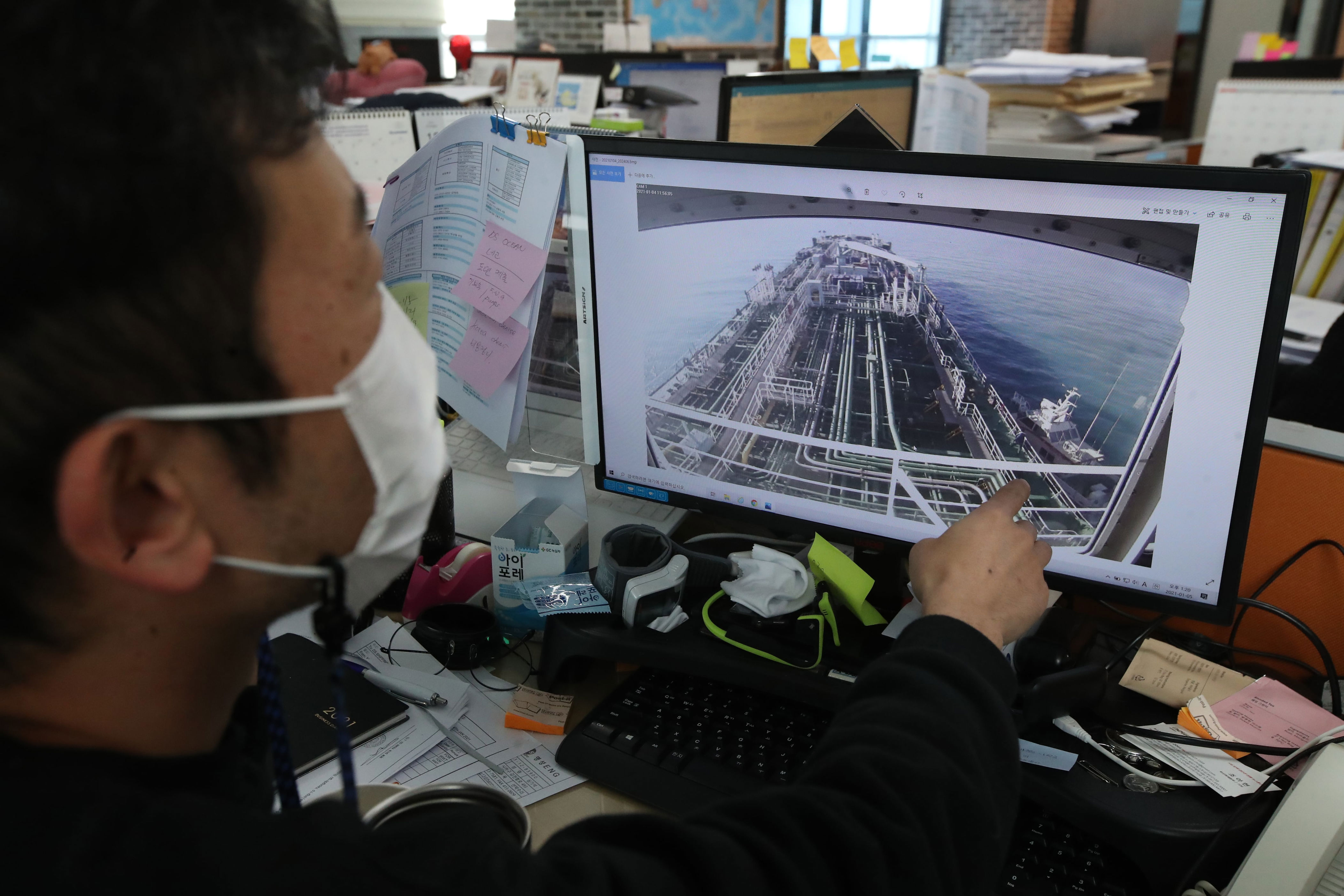
After diplomatic efforts, Iran released 19 crew members (excluding the South Korean captain) about a month after the seizure. On April 9, 2021, 95 days after the incident, Iran fully lifted the detention of the captain and the vessel.
Resolution of the Frozen Funds in 2023: South Korea’s Mediating Role
The frozen funds issue remained a diplomatic challenge until August 2023, when it was resolved as part of a U.S.-Iran prisoner swap agreement. The 8 trillion Korean won frozen in South Korea was transferred via Switzerland to a Qatari bank. In September 2023, the Ministry of Foreign Affairs stated, “The government has consistently communicated and negotiated with relevant countries to resolve the issue, recognizing that the frozen funds belong to the Iranian people. The funds, transferred to Qatar, will be used for humanitarian purposes, such as purchasing food and medicine, similar to their use in South Korea.”
This marked the resolution of the long-standing South Korea-Iran conflict stemming from the Korea Chemi seizure. South Korea played a mediating role beyond being a direct party, securing sanctions exemptions through consultations with the U.S. Treasury and enabling the fund transfer. Additionally, South Korea supported Iran’s payment of UN dues using the frozen funds, contributing to the restoration of Iran’s voting rights. This was South Korea’s first case of resolving a complex issue involving U.S. sanctions, finance, and diplomacy with an adversarial state.
A comprehensive analysis of the Korea Chemi seizure reveals it was not merely a maritime incident but a manifestation of structural conflicts rooted in U.S. sanctions and frozen funds. The incident highlights the dilemmas faced by middle powers like South Korea within sanctions regimes and demonstrates South Korea’s diplomatic efforts to mediate in a complex international environment. As former Ambassador to Iran Yoon Kang-hyun hoped, South Korea could leverage this experience to play a role even in prolonged conflicts between the U.S. and Iran.
[P.S.] “State Fulfilled Protective Duty” Ruling…Ministry of Foreign Affairs Cited as Reference
월 5900원 멤버십, 신문 독자에게는 2900원, 조선멤버십
55000원 상당의 신문-잡지 8종 마음껏 보기, 조선멤버십
현금처럼 쓸 7000포인트 받아 알뜰한 쇼핑, 조선멤버십