A Legacy Remembered: Honouring the Enduring Impact of Ahn Sung-ki
The Korean film industry is currently awash with a series of poignant retrospective events, all dedicated to celebrating the remarkable career and enduring legacy of the late actor Ahn Sung-ki. Having passed away earlier this year, his absence is deeply felt, prompting multiple institutions to curate special screenings and exhibitions that allow audiences to revisit his extensive body of work and the profound influence he had on Korean cinema.
One of the most prominent tributes is being organized by the Jeonju International Film Festival (JIFF). Scheduled to open next month, JIFF, in collaboration with the Korean Film Archives, will present a special program titled “Special Screening: Encountering a Slightly Unfamiliar Ahn Sung-ki.” The festival’s organizers articulated their intention behind this initiative: “This special screening was prepared to honor Ahn Sung-ki, an actor who participated in numerous independent and artistic films and joined the new challenges of Korean cinema.” This curated selection aims to showcase Ahn Sung-ki’s versatility and his willingness to explore diverse cinematic landscapes, often venturing into independent and art-house productions.
The program will feature a carefully chosen collection of seven films that span different phases of his career and highlight his commitment to artistic expression. Among the notable titles to be screened are:
- Our Joyful Young Days (1987): Directed by Bae Chang-ho, this film is a testament to Ahn Sung-ki’s ability to portray relatable and compelling characters.
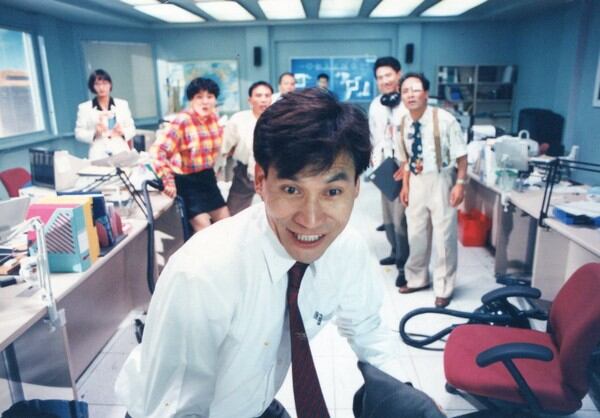
- Men Are Troublesome (1995): Directed by Lee Myung-se, this selection likely showcases Ahn Sung-ki in a more experimental or unconventional role, reflecting his openness to new cinematic narratives.
Beyond the festival circuit, the multiplex cinema chain CGV is also hosting a significant memorial exhibition. Located at its Art House in Apgujeong, Seoul, this exhibition marks the 10th anniversary of the “An Sung-ki Hall,” a space named in his honour. The exhibition, running until the 14th of next month, offers a comprehensive journey through Ahn Sung-ki’s acting career, presenting eight representative works from various eras. This carefully selected lineup allows cinephiles to trace his remarkable evolution as an actor, beginning with his early days as a child actor in:
- The Housemaid (1960): A foundational film in Korean cinema, this early appearance underscores the actor’s lifelong dedication to the craft.
The exhibition culminates with his more recent work, including:
- Cassiopeia (2022): This inclusion demonstrates his continued engagement with filmmaking right up to his final years, a poignant reminder of his enduring passion.
Adding to the continuous stream of tributes, the “21st Century Ahn Sung-ki” memorial exhibition, which commenced in February at Picture House in Gangnam-gu, Seoul, has seen its run extended until the 5th of next month. This extension is a direct response to the overwhelming public support and the enthusiastic reception from audiences eager to pay their respects. The exhibition’s continued popularity speaks volumes about Ahn Sung-ki’s lasting appeal and the deep affection audiences hold for him.
Furthermore, these exhibitions are not merely static displays but are enhanced by interactive events designed to foster deeper engagement with his work. A notable event will take place on the 28th, where director Lee Myung-se will participate in a talk session with the audience following a screening of his film No Mercy for the Righteous (1999). This provides a unique opportunity for attendees to gain insights into the creative process and the director’s collaboration with Ahn Sung-ki.
Looking ahead, another insightful discussion is planned for the 4th of next month. Director Lee Joon-ik, acclaimed for his work on Radio Star (2006), will be engaging with the audience. Such events offer invaluable perspectives on Ahn Sung-ki’s contributions to cinema, allowing for a richer understanding of his artistic choices and his impact on the filmmakers he worked with.
These multifaceted commemorations collectively paint a vivid picture of Ahn Sung-ki’s unparalleled contribution to Korean cinema. From his early beginnings to his later career, his presence on screen was always marked by gravitas, nuance, and an unwavering commitment to his art. The ongoing retrospectives serve not only as a farewell but as a vibrant celebration of a cinematic icon whose work will continue to inspire and resonate for generations to come. The sheer volume and variety of these events underscore the profound and lasting impact Ahn Sung-ki has had, solidifying his place as one of South Korea’s most cherished and influential actors.