Child’s Prank Triggers Major Security Alert, Fighter Jets Escort Passenger Plane to Israel
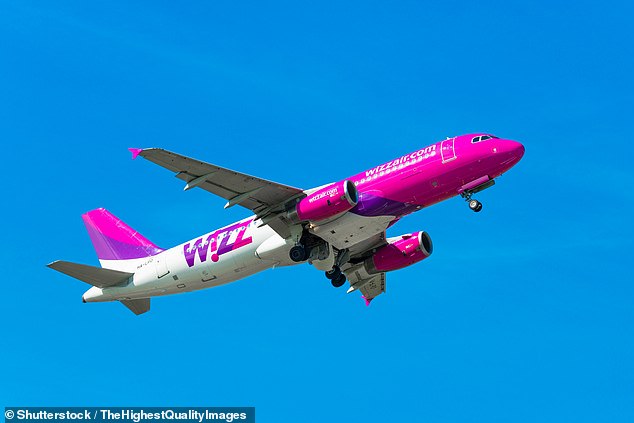
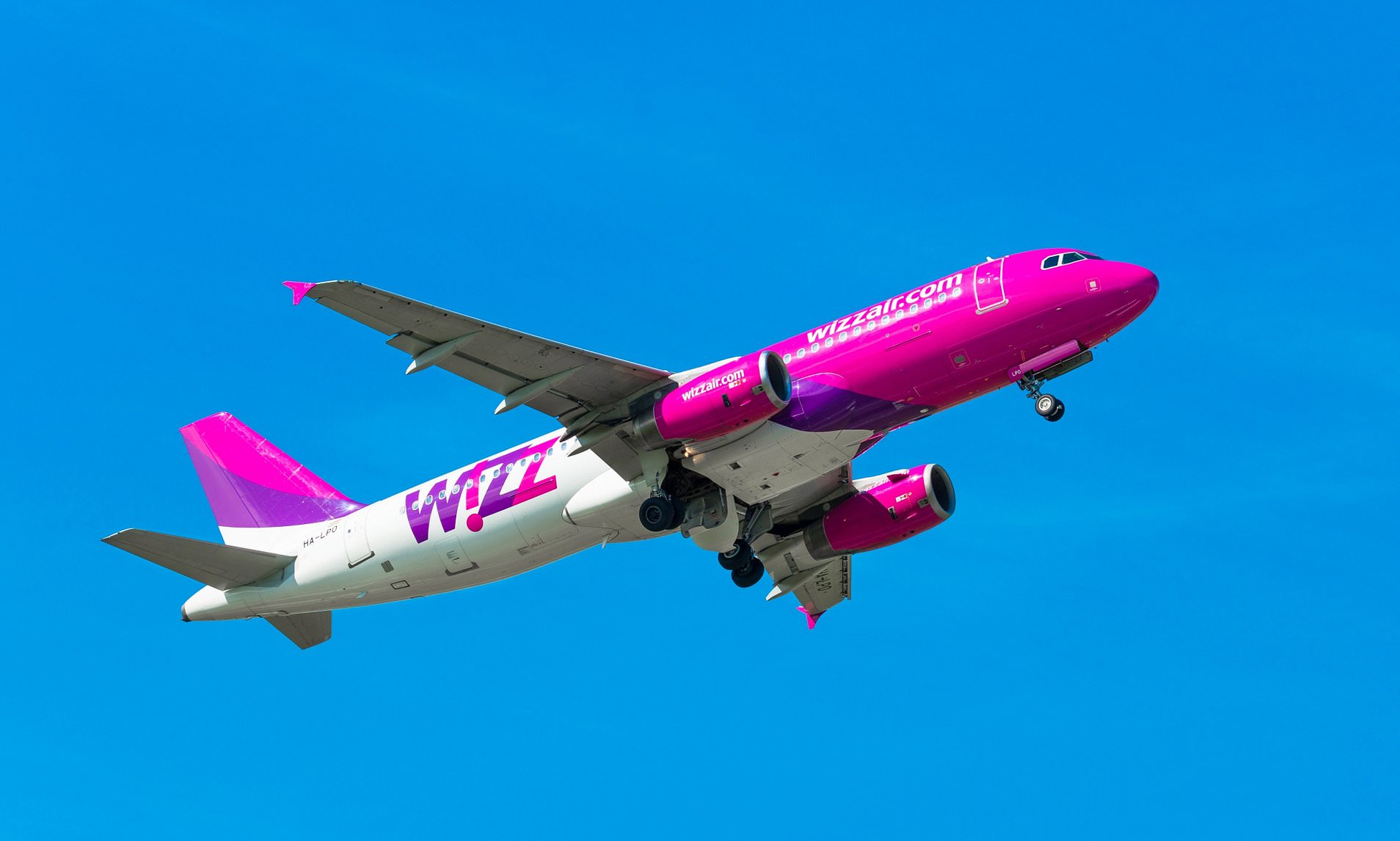
A seemingly innocent prank by a child, who altered his parents’ phone’s Wi-Fi hotspot name to the Arabic word for “terrorist,” inadvertently triggered a significant security response, leading to fighter jets escorting a passenger plane to Ben Gurion Airport in Israel. The incident unfolded on Sunday afternoon as Wizz Air flight W95301, en route from London Luton Airport, neared its destination.
The alarm was raised when a passenger, reportedly part of an ultra-Orthodox couple, received a “threatening message” on their mobile device. Israeli media outlets detailed how the message was, in fact, the name of a Wi-Fi hotspot that had been mischievously changed by the couple’s young son. The chosen name, the Arabic term for “terrorist,” quickly escalated into a full-blown panic among some onboard.
In response to the perceived threat, the Israeli Air Force promptly scrambled fighter jets. These aircraft shadowed the Wizz Air flight, providing an escort to the Tel Aviv travel hub. Flight tracking data from FlightRadar indicated that the passenger jet performed three circuits over the Mediterranean Sea, south of Cyprus, before finally making its landing in Israel.
Upon arrival at Ben Gurion Airport, the situation remained tense. Passengers and their luggage underwent thorough inspection by bomb-sniffing dogs, a standard procedure in such security-sensitive scenarios.
Airport Authority Confirms No Genuine Threat
A spokesperson for the Israel Airports Authority later clarified the situation, stating to The Times of Israel, “The aircraft landed, and it was found that there was no real incident.” The brief disruption to air traffic at Ben Gurion Airport, which saw flights to and from the airport temporarily paused, eventually returned to normal following the resolution of the scare. Wizz Air has been contacted for comment regarding the incident.
This event follows closely on the heels of another alarming aviation security scare, which occurred just weeks prior. In that instance, a Turkish Airlines jet, flying from Istanbul to Barcelona, was forced to make an emergency landing. The diversion was prompted by a female passenger who alerted the crew to another passenger allegedly making bomb threats on their mobile phone.
Previous Bomb Threat Scare Highlights Aviation Vulnerabilities
The Turkish Airlines flight was over the Mediterranean Sea, near the Italian coast, when the alert was raised. Spanish and French fighter jets were dispatched to escort the aircraft to El Prat Airport in Barcelona. Reports from Spanish media indicated that the crew was informed by a passenger who witnessed another individual displaying bomb threats on their phone. The plane circled the airport multiple times before landing, after which police immediately surrounded the aircraft and boarded it to apprehend the suspect.
These twin incidents, separated by mere weeks, underscore the heightened state of alert within the aviation industry and the rapid response protocols in place to address potential security threats. While the Wizz Air incident was ultimately attributed to a child’s unintended prank, the swift and decisive action taken by Israeli air defense and airport security personnel demonstrates a commitment to passenger safety, even in the face of perceived, rather than actual, danger. The ease with which a simple digital change can spark such a significant security response also highlights the evolving nature of threats in the modern age.