The Rise of Weight-Loss Drugs in Indian Weddings
In India, where many marriages are arranged by families and societal expectations around physical appearance and financial status are strong, the pressure to look a certain way on the wedding day has led to an unexpected trend. Soon-to-be brides and grooms are turning to weight-loss drugs as a quick fix to shed pounds before their big day. This has created a new market for weight-loss medications, with clinics offering specialized packages tailored for pre-wedding transformations.
New Delhi-based wellness clinic Klarity Skin Clinic has introduced a “Mounjaro bride” package, while other clinics have incorporated weight-loss injections into their pre-wedding transformation services, which typically focus on skin treatments and hairstyle makeovers. In a social media video, Klarity promotes a combination of guided nutrition, Mounjaro, and smart workouts to help brides prepare for their special day. However, the clinic has not responded to requests for comment.
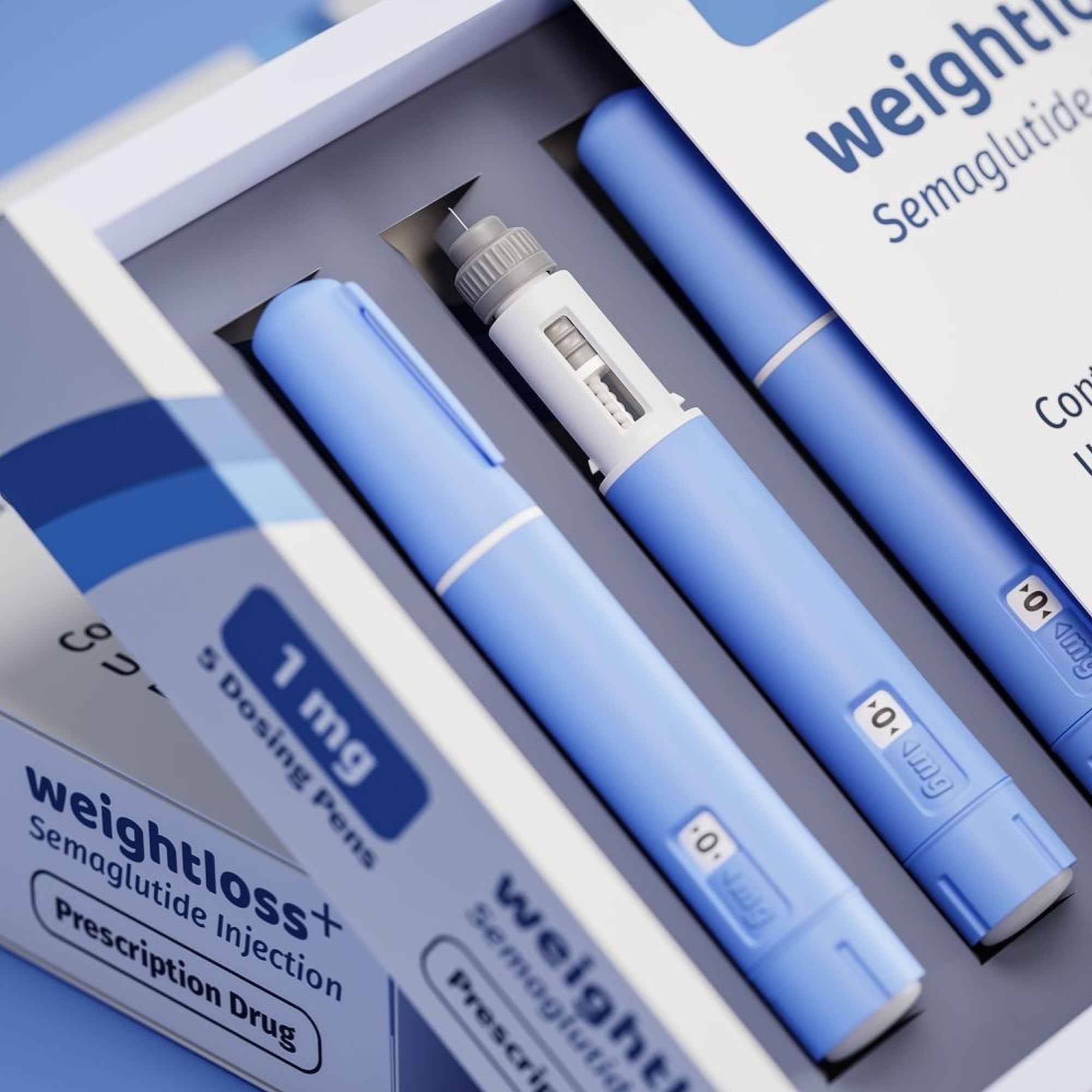
According to eight doctors, inquiries from brides and some grooms about taking weight-loss drugs have increased significantly. Many of these patients are specifically asking for Eli Lilly’s Mounjaro, the first GLP-1 medication to enter India’s market for both diabetes and weight loss. It has become more popular than Novo Nordisk’s rival Wegovy, according to the doctors.
“Over the last few months, over 20 per cent of the queries we’ve received for obesity injections are from to-be brides, who also openly give us a timeline on how soon they are getting married,” said Rajat Goel, a bariatric surgeon at Hindivine Healthcare in New Delhi. He emphasized that he only prescribes the drugs if patients are medically eligible, not for cosmetic use.
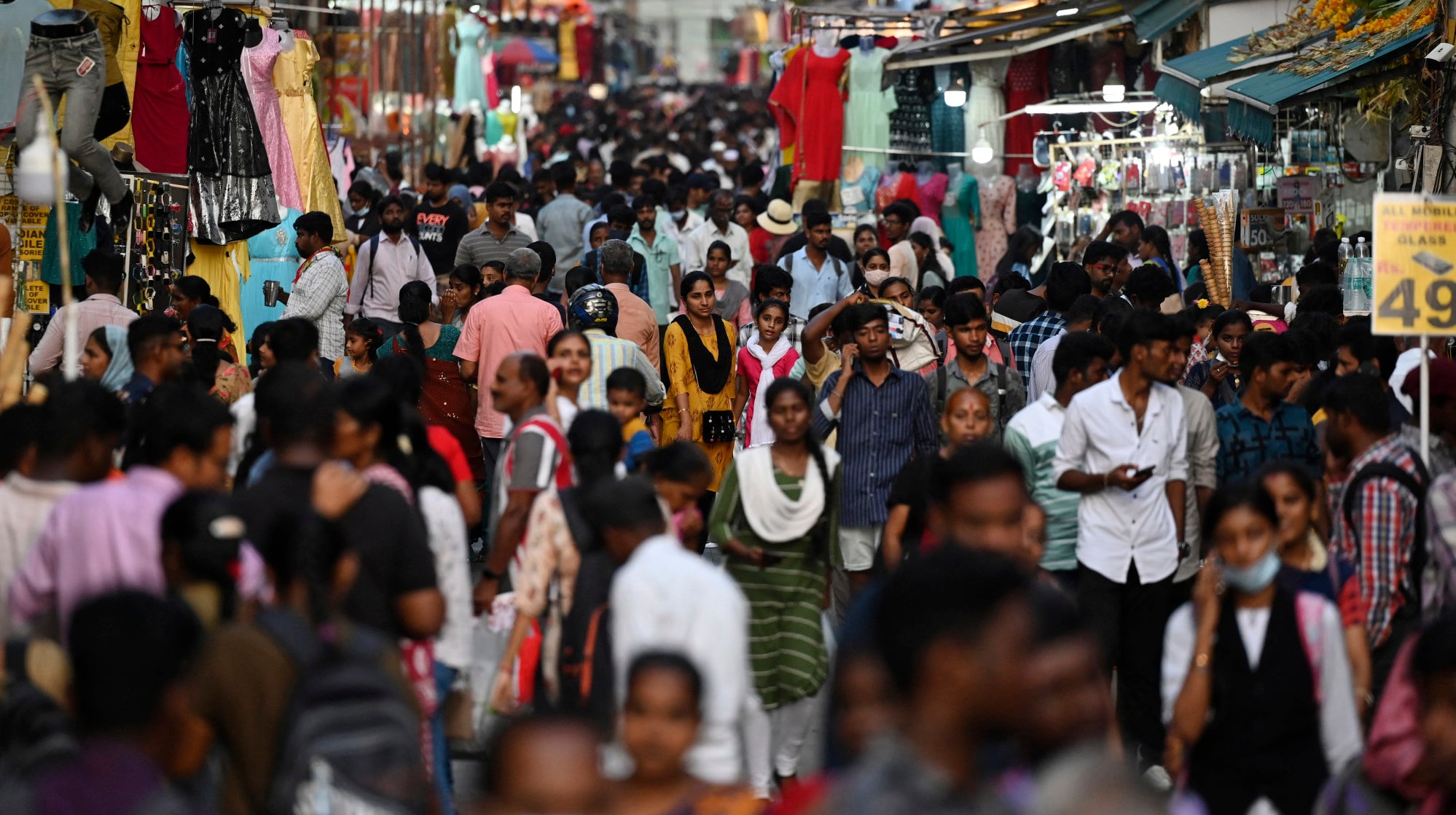
Weddings in India are grand affairs, often involving extensive planning and significant financial investment. Cultural and traditional influences play a major role in shaping societal expectations, and many marriages continue to be arranged by families. As a result, there is immense pressure on individuals to meet certain standards, including physical appearance.
Aditi, a 26-year-old finance worker from Mumbai, consulted a doctor in November after exercise and diet failed to produce the desired results. She lost 10kg (22lbs) on Mounjaro before her February wedding and expressed happiness with the results. “If I am not happy, I don’t feel confident. I did not want to feel that way at the time of the wedding,” she said.
She is one of several brides and one groom who spoke about using weight-loss drugs before their weddings but requested anonymity due to social stigmas. They cited societal pressure to look a “certain way” at their wedding, and most discontinued the injections after the event.
Eli Lilly and Novo Nordisk launched their obesity drugs in India last year, and the market is expected to reach 80 billion rupees (US$86 million) by 2030. Mounjaro sales doubled in the months after its launch, making it the highest-selling drug in the world’s most populous nation.
Indian drug makers have begun selling cheaper versions of Novo’s medicine after the patent on semaglutide, its active ingredient, expired, widening access. These drugs are intended for adults classified as obese or those considered overweight with weight-related medical conditions such as diabetes, hypertension, or sleep apnoea.
“Mounjaro has been approved by regulators for specific medical indications and is intended to be used only under the supervision of a qualified healthcare professional,” Lilly stated.
The lowest Mounjaro injection pen dose sells for 13,125 rupees per month in India, while the highest dose costs 25,781 rupees. Novo, which recently cut prices for Ozempic and Wegovy, is selling the lowest Wegovy dose for 5,660 rupees and the highest for 16,400 rupees a month. Novo also discourages any form of self-medication of semaglutide or deviation from the indicated use on label.
India could have more than 440 million overweight or obese people by 2050, according to The Lancet. Akshitha, who got married in Hyderabad last year, said the drugs helped her lose 15kg, taking her weight to 76kg before the wedding. A family doctor had suggested she try the injections when she worried about her weight.
“There’s so much chaos before the wedding, with all the planning and preparation. I knew I would not get time to go to the gym and be on a diet. That’s when these drugs looked like a better option,” she said, adding she might consider using them again after a future pregnancy.
With local drug makers flooding the market with cheaper weight-loss medicines, India’s drugs regulator has raised concerns about misuse and intensified scrutiny of unauthorised sales and promotion.
“We understand the curiosity, but this cannot be a quick fix,” said Swati Pradhan, founder of obesity and metabolic wellness clinic Live Light. The doctor said she prescribed the injections to only a few soon-to-be brides if they were medically eligible and showed signs of other medical issues, while insisting on lifestyle changes for sustainable results.
For 27-year-old Priya, a tech worker from Bengaluru, weight-loss drugs became a way to counter body-shaming from prospective grooms’ families. “I’ve had men and their families reject my proposal because of my weight. I was told I was fat,” she said. She initially used Novo’s oral semaglutide, approved in India for diabetes, as an off-label treatment and lost more than 12kg before switching to injectable Mounjaro. Her search for a groom continues.