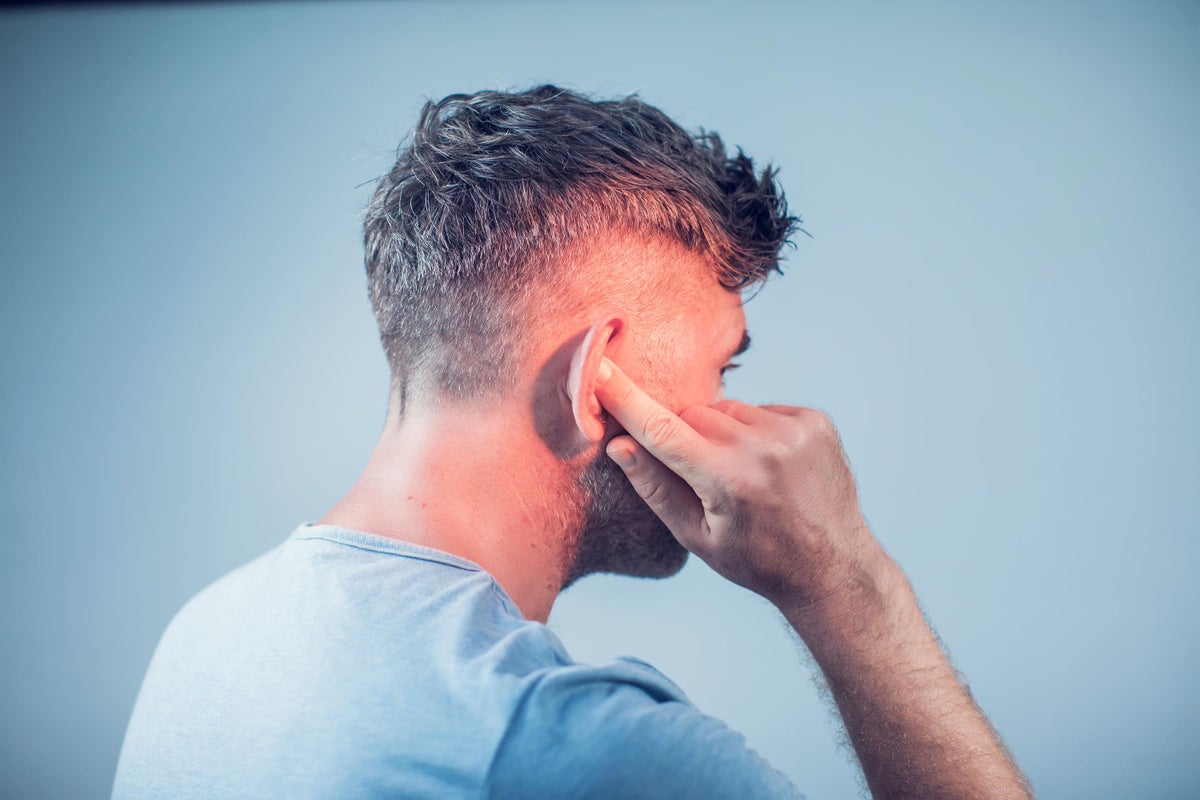
Breakthrough Sound Therapy Offers Hope for Tinnitus Sufferers
A pioneering new sound therapy is emerging as a beacon of hope for the millions worldwide who live with the persistent and often debilitating condition of tinnitus. This innovative approach, developed through cutting-edge research, aims to directly address the intrusive ringing, buzzing, or hissing sounds that plague sufferers, offering a novel pathway to significant relief.
At its core, the therapy involves patients engaging with specially curated audio. These are not just ordinary sounds; they are subtly modified and precisely engineered to interfere with specific neural patterns within the brain that are believed to be responsible for generating the phantom sounds of tinnitus. The goal is to retrain the brain’s auditory pathways, effectively dampening the perception of the tinnitus itself.
A significant clinical trial, spearheaded by researchers at Newcastle University and supported in part by the RNID (Royal National Institute for Deaf People), has provided compelling evidence of this therapy’s potential. The study involved 77 participants who experienced a measurable reduction in their tinnitus. On average, the therapy was found to quieten the perceived tinnitus by approximately 10 per cent. Crucially, the positive effects were not fleeting, with participants reporting that these improvements lasted for around three weeks following the treatment period.
This level of sustained relief marks a significant advancement. Many existing tinnitus management strategies focus on helping individuals cope with the condition, providing tools and techniques to minimise its impact on daily life. However, this new sound therapy takes a different tack, aiming to actively reduce the intensity of the tinnitus perception. This direct intervention offers a more profound avenue for relief for the vast number of people affected by this condition.
The researchers behind this groundbreaking therapy are optimistic about its future accessibility. They envision a scenario where this treatment could eventually be delivered through a user-friendly smartphone application. Such an integration would democratise access, allowing individuals to incorporate the therapy seamlessly into their daily routines and listen to the specially designed sounds whenever and wherever is most convenient. This mobile-first approach holds the promise of making effective tinnitus relief available to a much wider audience, transcending geographical and logistical barriers.
Understanding Tinnitus and the Need for New Solutions
Tinnitus is a complex sensory phenomenon that affects a significant portion of the population. It is often described as an internal sound that is not caused by an external source. While the exact mechanisms are still being unravelled, it is generally understood to be linked to changes in the auditory system, often occurring as a result of noise exposure, age-related hearing loss, or other underlying medical conditions. The impact of tinnitus can range from mildly annoying to severely distressing, leading to difficulties with concentration, sleep disturbances, anxiety, and depression.
The current landscape of tinnitus treatment is varied, with options including:
- Hearing Aids: For individuals with hearing loss, hearing aids can amplify external sounds, making tinnitus less noticeable.
- Sound Therapy: This encompasses a range of approaches, including white noise generators, masked sounds, and music therapy, designed to make tinnitus less prominent.
- Cognitive Behavioural Therapy (CBT): CBT helps individuals change their negative thought patterns and emotional responses to tinnitus, improving their ability to cope.
- Tinnitus Retraining Therapy (TRT): TRT combines sound therapy with counselling to help the brain habituate to the tinnitus sound.
- Medication: While there is no cure-all medication, some drugs may be prescribed to manage associated symptoms like anxiety or depression.
However, the effectiveness of these treatments can vary greatly from person to person, and many individuals find that they provide only partial relief or require ongoing management rather than a definitive solution. This is precisely where the new sound therapy shows such promise. By directly targeting the neural activity associated with tinnitus perception, it offers a different, and potentially more effective, mechanism of action.
The Science Behind the Sound
The development of this new sound therapy is rooted in a sophisticated understanding of how the brain processes auditory information and how disruptions in this processing can lead to the experience of tinnitus. The subtle modifications within the sounds used in the therapy are not random. They are carefully calibrated based on research into the specific neural pathways and firing patterns that are thought to be overactive or dysregulated in individuals with tinnitus.
By exposing the brain to these precisely crafted auditory signals, the therapy aims to:
- Disrupt Abnormal Neural Firing: The modified sounds are designed to interrupt the repetitive or exaggerated neural activity that generates the phantom sounds.
- Promote Neural Plasticity: The brain is capable of adapting and changing its connections (neuroplasticity). This therapy leverages this ability to encourage a recalibration of the auditory system.
- Reduce Perceived Loudness: The ultimate goal is to make the internal tinnitus sounds less noticeable and less intrusive, thereby improving the quality of life for those affected.
The relatively short duration of the trial and the sustained nature of the reported effects are particularly encouraging. It suggests that the therapy may be able to induce lasting changes in how the brain perceives tinnitus, rather than merely providing temporary masking.
Future Prospects and Accessibility
The vision of delivering this therapy via a smartphone app is a game-changer. It addresses several key challenges in tinnitus treatment:
- Cost and Accessibility: App-based delivery could significantly reduce the cost of treatment compared to traditional therapies.
- Convenience: Patients can engage with the therapy at their own pace and in their own environment, without the need for frequent clinic visits.
- Personalisation: Future iterations of the app could potentially be personalised to individual tinnitus profiles, further enhancing effectiveness.
- Integration into Daily Life: By making it a part of a daily listening routine, the therapy becomes less of a chore and more of a natural habit, increasing adherence.
While further research and larger-scale trials will undoubtedly be necessary to fully validate and refine this promising new sound therapy, the initial findings represent a significant leap forward. For the millions enduring the constant drone of tinnitus, this innovative approach offers a tangible prospect of genuine relief and a renewed sense of auditory peace.