SeoulTech Redefines Education with AI as the “Common Language”
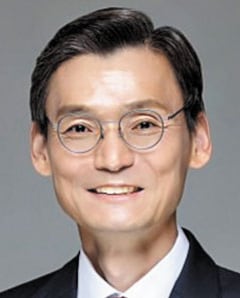
As artificial intelligence (AI) continues its rapid integration across industries and society, the landscape of university education is undergoing a profound transformation. The call is not merely for the introduction of new technologies, but for a fundamental reimagining of educational methodologies, curriculum content, and the very operational framework of higher learning institutions. In this evolving paradigm, Seoul National University of Science and Technology (SeoulTech) is taking a pioneering stance, with President Kim Dong-hwan declaring AI as the university’s “common language” and spearheading the development of a comprehensive AI education system designed for all students and faculty.
The university’s initiative extends beyond simply adding AI courses. SeoulTech is committed to embedding AI across its entire academic structure, encouraging both students and professors to leverage AI in designing innovative classes and enhancing teaching methodologies. This holistic approach signifies a shift towards a future where AI literacy and application are considered indispensable skills for every member of the academic community.
Mandatory “AI Liberal Arts” for All Freshmen
A cornerstone of SeoulTech’s AI integration strategy is the establishment of AI not as a specialized subject for select majors, but as a foundational competency essential for all university members. Beginning in the academic year 2025, all incoming freshmen will be required to complete a liberal arts course titled ‘Computational Thinking and Artificial Intelligence.’ This practice-centered course is uniquely structured to accommodate diverse learning needs, dividing students into groups based on their existing proficiency levels in AI. The objective is to provide a tailored educational experience that aligns with each student’s comprehension and application capabilities of AI, ensuring that regardless of their chosen major, all students will acquire fundamental skills in AI utilization.
Beyond this foundational course, SeoulTech has implemented a “major-linked education system.” This innovative approach ensures that AI technology is applied and taught in ways that are relevant and beneficial to the specific characteristics of each academic discipline.
- Engineering: Students will focus on designing AI-powered solutions and mastering automation technologies, thereby enhancing their problem-solving abilities in practical engineering contexts.
- Design: The curriculum will emphasize the use of AI for content planning and production, aiming to elevate creative processes and outcomes.
- Industry and Business: AI education will center on developing robust data analysis and decision-making skills, equipping students for the data-driven business world.
The overarching educational objective for the university is to enable students to experience and manage the complete lifecycle of problem-solving—from initial definition to final resolution—through the seamless integration of AI into their respective fields of study. SeoulTech articulates its vision clearly: “The focus of our university’s AI education is not on ‘AI itself’ but on its ‘integration with majors.’ We aim to cultivate not ‘talents who learn AI’ but ‘major experts who utilize AI.’”
Empowering Faculty: AI-Driven Class Design and Teaching
SeoulTech’s commitment to AI extends beyond student education, encompassing extracurricular activities and faculty development. For students, the university offers the “Learning AI” program, which provides practical education in areas such as data analysis and machine learning, and is linked to AI certification courses.
Simultaneously, the “Teaching AI” program is designed to support professors in their efforts to integrate AI into their teaching practices. This program facilitates the design of AI-enhanced classes and the improvement of teaching methodologies, fostering a university-wide culture of AI innovation. A representative from SeoulTech commented on this dual approach, stating, “This structure simultaneously promotes student education and faculty capability enhancement. It is significant in that it establishes a foundation for sustainable educational innovation.” This commitment signals a deeper restructuring of the university’s policies and operations, with AI at its core.
Advancing Research through AI Convergence
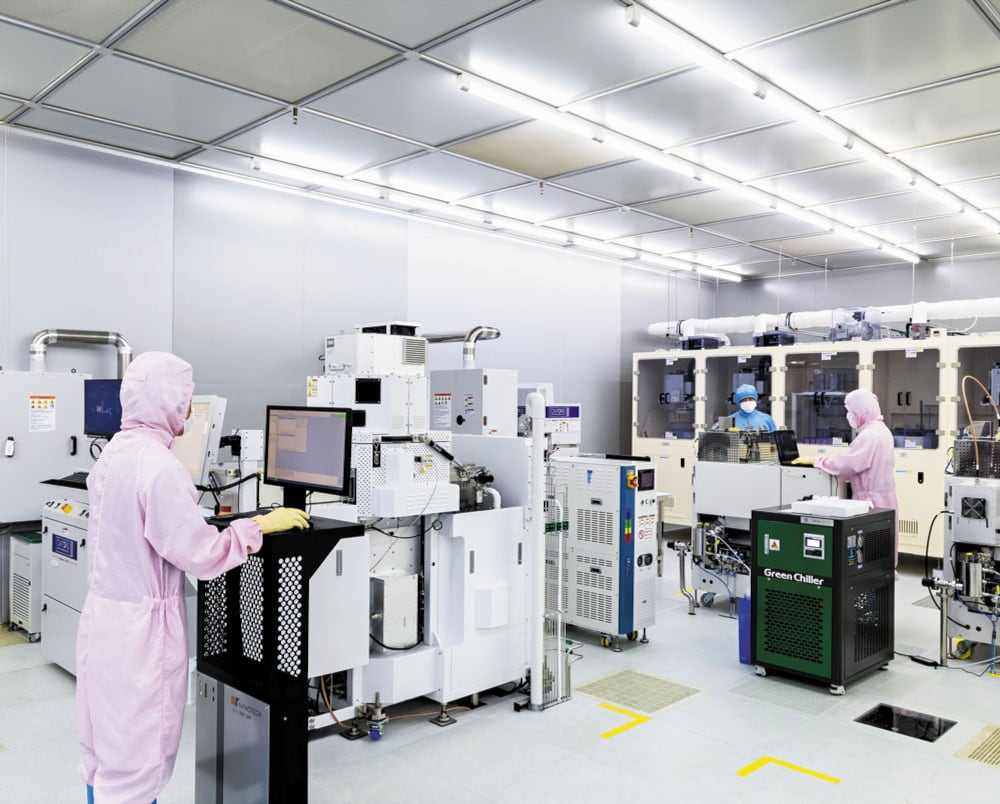
The university is also placing a strong emphasis on AI-driven convergence in its research endeavors. SeoulTech is actively expanding its field-oriented applied research initiatives, fostering collaborations with industries and research institutions. At the graduate level, the university is dedicated to nurturing “advanced AI research personnel.” In cutting-edge fields such as semiconductors, biotechnology, and energy, research is being conducted with AI as a central component to encourage interdisciplinary studies and innovation. The aim is to cultivate a new generation of talent that is both practically skilled and academically rigorous.
AI research at SeoulTech is branching into new frontiers, including physical AI and manufacturing AI. To support these ambitious research goals, the university operates a “Supercomputer Center” and has established a shared server room, providing researchers with the essential infrastructure for advancing AI research.
President Kim Dong-hwan reiterated the university’s strategic vision: “AI is not a technology limited to specific majors or industries but a core foundational technology that reshapes most academic disciplines and industries. Universities should approach AI not merely as a technical education but from the perspective of convergent education integrated with majors. Our university will establish AI as the language of all majors to simultaneously cultivate practical convergent talents and advanced research personnel.”