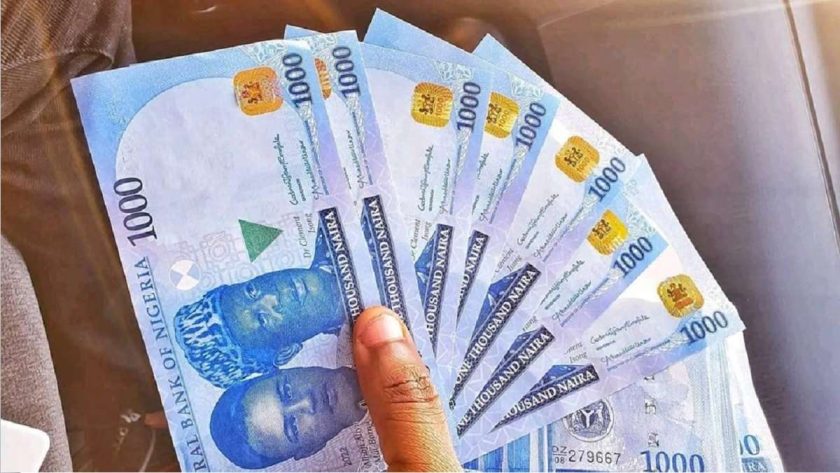
Naira Faces Significant Depreciation Against the US Dollar
Abuja, Nigeria – March 25, 2026 – The Nigerian naira experienced a notable decline against the United States dollar on Wednesday, March 25, 2026, as it traded at N1,386.7049 per dollar on the Central Bank of Nigeria’s (CBN) official foreign exchange window. This marks a significant depreciation for the local currency, reflecting ongoing pressures within the foreign exchange market.
Official Foreign Exchange Market Performance
Data released by the CBN’s official platform indicated that the naira’s trading rate at the Nigerian Foreign Exchange Market (NFEM) stood at N1,386.7049 against the US dollar. By the close of trading, the rate had slightly adjusted to N1,391 per dollar.
Comparing Wednesday’s closing rate with that of the previous day, Tuesday, March 24, 2026, reveals the extent of the naira’s slump. On Tuesday, the Nigerian currency had traded at N1,382.6325 per dollar. The difference signifies a depreciation of at least N4 in a single trading session on the official window.
Parallel Market Dynamics
While the official market saw a weakening trend, the parallel market, often referred to as the black market, exhibited a different dynamic. In this segment of the foreign exchange market, the naira experienced a slight appreciation in its selling rate against the dollar. However, the buying rate remained consistent with the previous trading period.
According to available data, the naira-to-dollar exchange rate in the parallel market on Wednesday, March 25, 2026, was recorded at N1,415 for the buying rate and N1,420 for the selling rate. This indicates a N5 improvement in the selling rate compared to prior trends, though the buying rate held steady.
Key Exchange Rate Summaries
- Nigerian Foreign Exchange Market (NFEM) Rate: N1,386.7049 per US dollar.
- Parallel Market (Black Market) Rates:
- Buying Rate: N1,415 per US dollar.
- Selling Rate: N1,420 per US dollar.
The divergence in performance between the official and parallel markets underscores the complexities and varied influences at play within Nigeria’s foreign exchange landscape. Analysts will be closely monitoring future trading sessions to ascertain whether these trends persist and what underlying economic factors are driving these movements. The stability and strength of the naira remain a critical concern for economic planning, trade, and inflation management within the nation. Further policy interventions or shifts in market sentiment could significantly impact the currency’s trajectory in the coming weeks and months. The continued depreciation on the official window, in particular, poses a challenge to businesses reliant on foreign currency for imports and investment.