South Korea Pours 600 Billion KRW into Rebellions to Forge a “K-NVIDIA”
South Korea is making a significant strategic move to bolster its domestic artificial intelligence (AI) semiconductor capabilities, with the National Growth Fund announcing a substantial investment of 600 billion Korean won (approximately $450 million USD) into Rebellions, a local AI semiconductor fabless company. This ambitious initiative aims to cultivate a homegrown champion capable of rivaling global giants, effectively creating a “K-NVIDIA.”
The Financial Services Commission confirmed that the National Growth Fund’s Fund Management Deliberation Committee has officially decided to directly inject 250 billion Korean won into Rebellions’ critical project focused on “AI Semiconductor (NPU) Mass Production and Next-Generation AI Semiconductor Development.” This substantial government commitment will be complemented by an additional 50 billion Korean won from the Korea Development Bank (KDB) and a significant 300 billion Korean won from private investors, including Mirae Asset. This combined financial package marks a watershed moment, as it represents the first instance of the government directly investing equity through the National Growth Fund.
Rebellions, founded in 2020, has rapidly emerged as a leading unicorn in the AI semiconductor landscape. The company specializes in the design of neural processing units (NPUs), the crucial hardware components that power complex AI computations. With a current valuation of 2.7 trillion Korean won (approximately $2 billion USD), this unlisted firm is poised for substantial growth following this significant infusion of capital. The company’s immediate plans involve leveraging the National Growth Fund’s investment to commence mass production of its proprietary AI semiconductor, specifically engineered for large-scale data centers. This advanced chip, initially developed in August of the previous year, is slated for production starting this July.
Beyond the direct equity investment, the National Growth Fund’s strategic support extends to the Advanced Strategic Industry Fund. The committee has resolved to back this fund with 250 billion Korean won through the purchase of redeemable convertible preferred shares (RCPS). RCPS represent a common and effective instrument in venture capital, offering investors a dual benefit: the right to redeem their investment under specific circumstances and the option to convert their preferred shares into common stock. This flexible structure is designed to align investor returns with the company’s future performance and success. The Financial Services Commission highlighted the fund’s role in “sharing technological uncertainties with target companies and actively mitigating risks,” underscoring a commitment to de-risking innovative ventures.
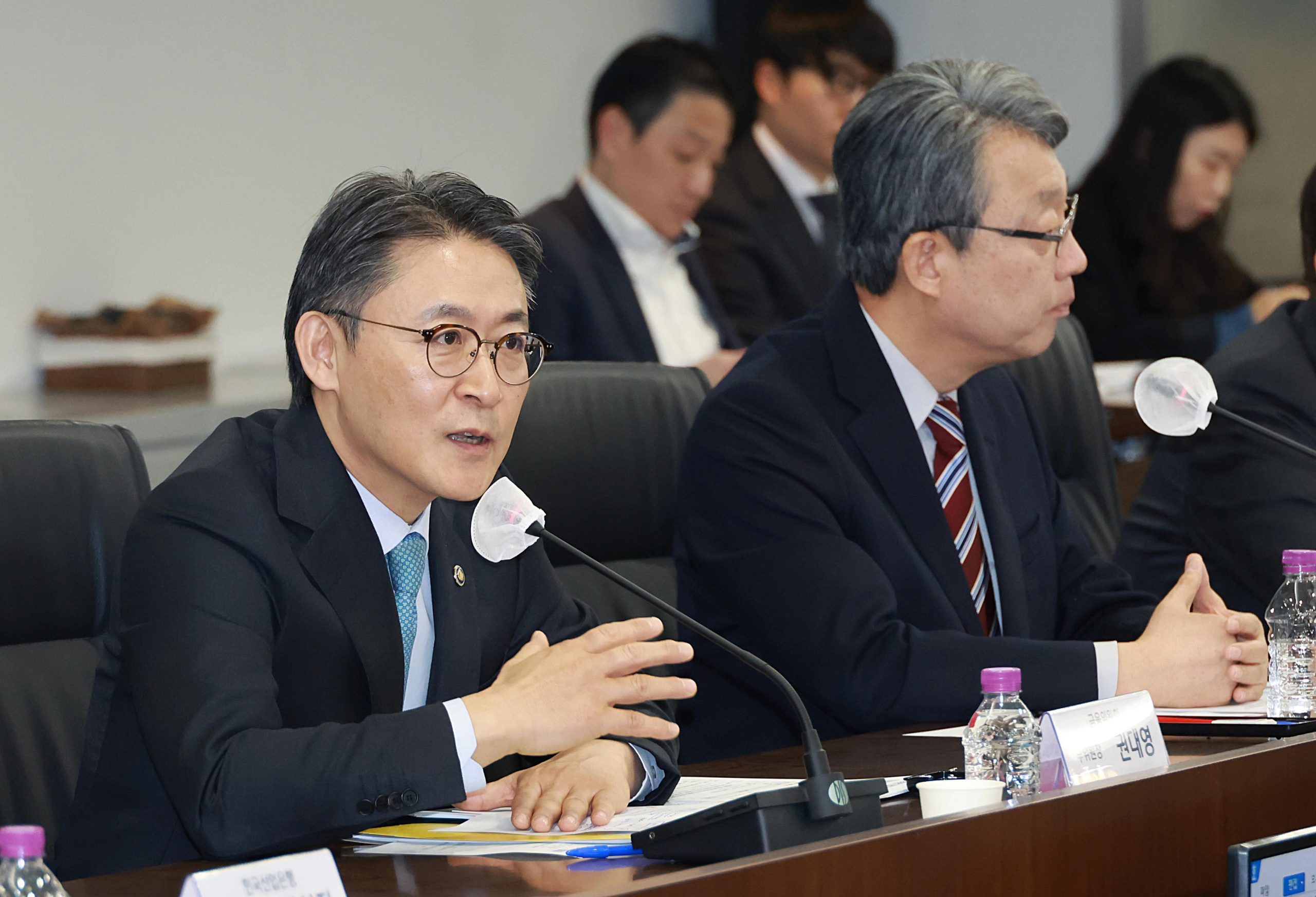
This pivotal investment in Rebellions signifies the commencement of the National Growth Fund’s broader “K-NVIDIA” fostering project, a key component of the “1st Mega Project” unveiled in December of last year. The government’s proactive stance in nurturing its domestic AI semiconductor industry was further evidenced by a recent public-private meeting held on the 17th of the previous month. This crucial gathering brought together representatives from five prominent South Korean AI semiconductor companies – Rebellions, FuriosaAI, DeepX, Mobilint, and HyperAccel – to collaboratively discuss investment strategies and the utilization of the National Growth Fund.
The strategic objective behind this substantial investment is clear: to cultivate a robust domestic AI semiconductor ecosystem that can compete on a global scale. By channeling significant funding into promising companies like Rebellions, South Korea aims to reduce its reliance on foreign technology, foster innovation, and establish itself as a leader in the rapidly evolving field of artificial intelligence hardware. The success of this initiative could have far-reaching implications for the nation’s technological sovereignty and its economic competitiveness in the 21st century.