Uganda’s Fish Processing Sector Faces Existential Crisis Amidst Declining Stocks and Illegal Practices
Uganda’s vital fish processing industry is grappling with a severe downturn, with the number of operational factories plummeting from 26 in 2012 to a mere handful, fewer than six, at present. This stark decline, detailed by Ms. Daisy Aciro Olyel, Commissioner for Fisheries at the Ministry of Agriculture, Animal Industry and Fisheries, signals a worrying trend with significant economic repercussions.
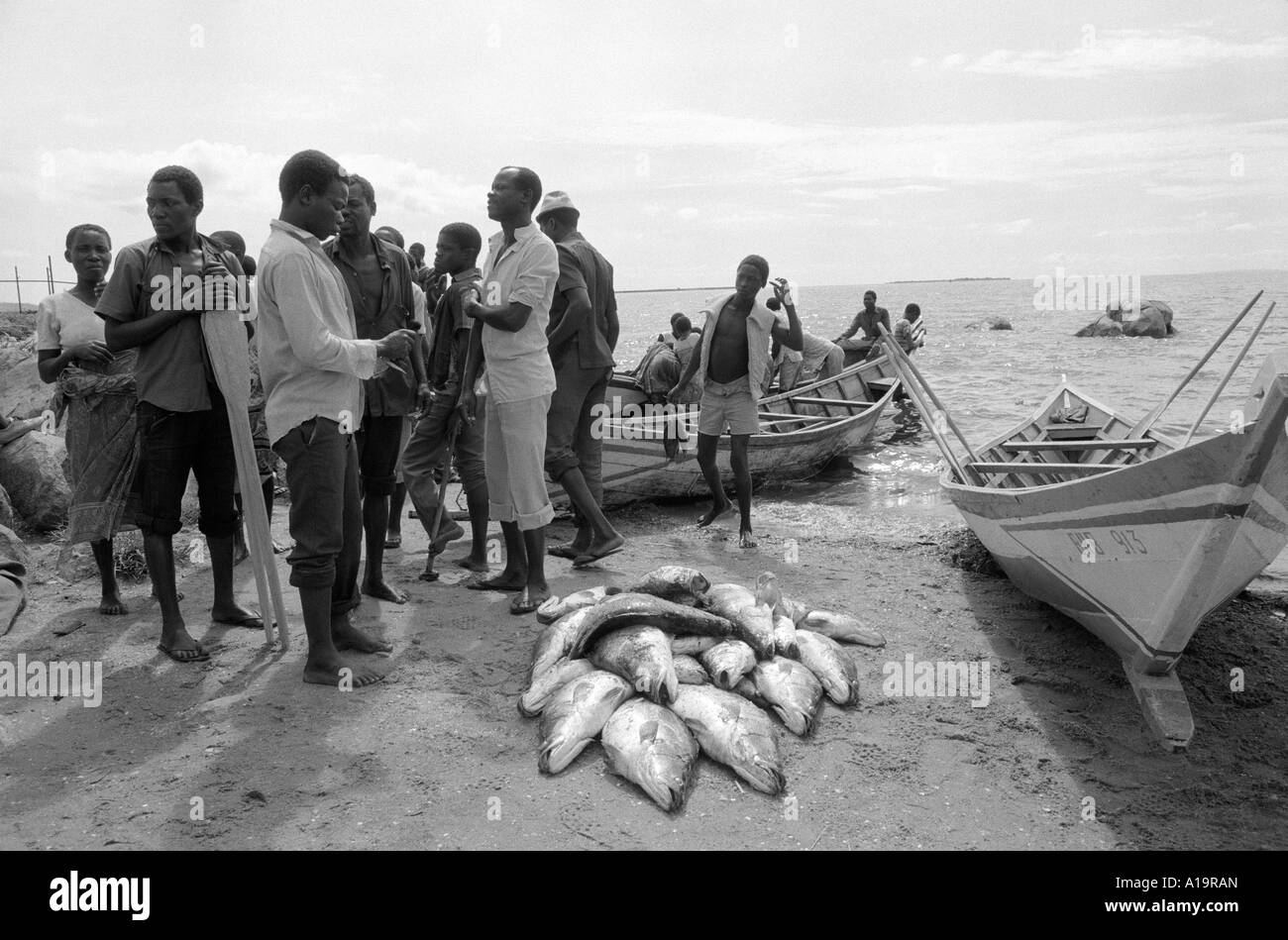
The primary driver behind this collapse, as explained by Ms. Aciro, has been the dwindling stocks of Nile Perch, a species that formed the backbone of many processing operations. “Many of these factories were heavily dependent on Nile Perch. As stocks reduced, it became difficult to sustain operations,” she stated during a Cross-border Fish Traders’ dialogue in Jinja. The depletion of these crucial fish populations has been attributed to a dual threat: rampant overfishing and the stringent enforcement of government regulations designed to protect juvenile fish.
While Uganda’s current annual fish production stands at approximately 700,000 metric tonnes, with the vast majority (over 600,000 tonnes) sourced from wild capture fisheries and around 130,000 tonnes from aquaculture, Ms. Aciro emphasized that the potential for increased yields from natural water bodies has reached its zenith. This realization necessitates a strategic pivot towards the expansion of aquaculture. “We cannot increase production from the wild beyond current levels. The future lies in aquaculture,” she asserted, outlining a government ambition to boost total fish production to one million metric tonnes by the year 2040.
However, industry stakeholders contend that the crisis is multifaceted and extends beyond the immediate issue of declining fish stocks. Mr. William Tibyasa Mwesigye, CEO of the Uganda Fish Processors and Exporters Association, pointed to illegal fishing practices and a lack of robust regulatory oversight as the principal culprits behind the sector’s downfall.
- Illegal Fishing and Destructive Methods: Mr. Tibyasa highlighted the detrimental impact of unsustainable fishing techniques.
- The widespread use of destructive methods, such as “kokota,” has inflicted severe damage on crucial fish breeding grounds. This practice directly undermines the reproductive capacity of fish populations, leading to long-term ecological harm.
- Uncontrolled Trade in Immature Fish: Compounding the issue is the unchecked trade in juvenile fish, particularly across borders. This practice intercepts fish before they reach maturity and have a chance to reproduce, further exacerbating stock depletion.
The consequences of the Nile Perch shortage have been particularly acute for Uganda’s export market. In January and February of the current year, the country exported a mere 2,000 to 2,200 tonnes of Nile Perch, marking the lowest volumes recorded over the past two decades. This stands in stark contrast to peak periods, when exports ranged between 5,000 and 6,000 tonnes. “What we are seeing now is a drastic decline,” Mr. Tibyasa lamented.
The ripple effect of factory closures has been devastating for the economy. Beyond the direct loss of jobs, the crisis has eroded investor confidence in the sector. Mr. Tibyasa reported a significant reduction in direct employment, with the workforce shrinking from an estimated 5,600 individuals to approximately 3,500. “When factories close, workers lose jobs automatically. But the impact goes beyond that,” he emphasized, underscoring the broader economic ramifications.
To navigate this critical juncture and salvage the industry, Mr. Tibyasa outlined an urgent set of measures:
- Enhanced Enforcement Against Illegal Fishing: A robust and unwavering crackdown on all forms of illegal fishing, with a particular focus on immature Nile Perch, is paramount. This includes strict regulation of fishing methods to ensure sustainability.
- Harmonisation of Regional Policies: Given the cross-border nature of fish trade and illegal practices, aligning fisheries policies across the region is crucial for effective management and enforcement.
- Increased Investment in the Sector: Attracting new investment and supporting existing businesses are vital for recovery and growth.
- Firm and Unbiased Enforcement: Mr. Tibyasa stressed the necessity for enforcement actions to be decisive and free from any political interference to ensure their effectiveness.
- Reduced Production Costs: To bolster the sector’s competitiveness in the global market, the government is urged to address escalating production costs. This includes:
- Lowering electricity tariffs.
- Reducing transportation expenses.
The stark warning from Mr. Tibyasa underscores the precarious state of Uganda’s fish processing industry. “If nothing is done, more factories will close and the industry will collapse,” he cautioned, highlighting the urgent need for decisive action to secure the future of this critical economic sector.