Gold’s Shifting Role: From Safe Haven to Volatile Asset
For generations, gold has been synonymous with financial security, a steadfast refuge for investors seeking shelter amidst economic turmoil. However, recent months have painted a different picture, transforming the precious metal from a steady anchor into a volatile roller coaster. While geopolitical tensions and market panics have roiled global markets, gold’s price has experienced dramatic swings, challenging its long-held reputation as an unwavering safe haven.
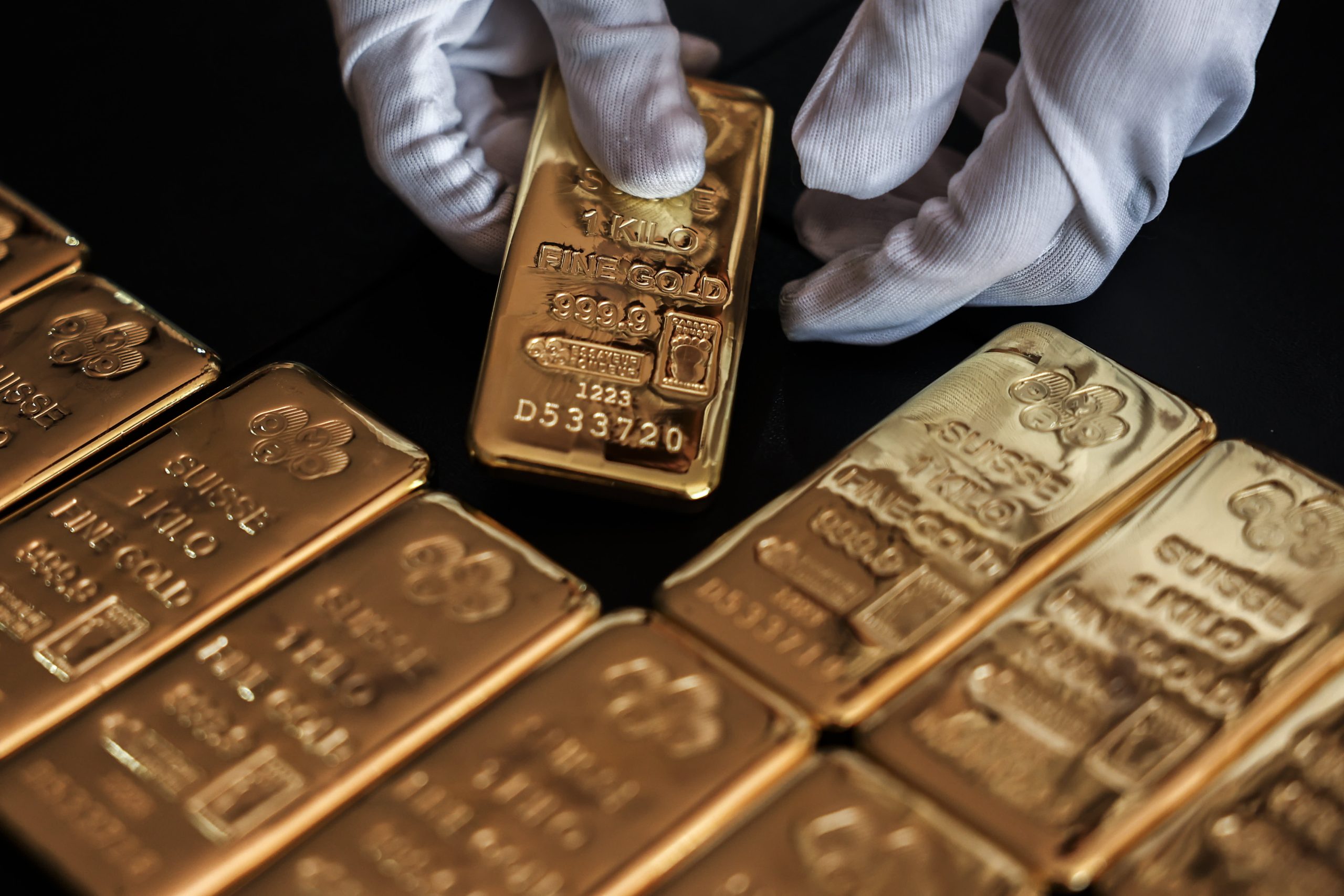
In late January, gold prices reached an unprecedented all-time high, nearing US$5,600 per ounce – a staggering doubling of its value from just a year prior. Yet, in the wake of significant geopolitical events and growing conflict in the Middle East, the precious metal has shed approximately 20 percent of its value since that peak. This sharp decline occurred precisely when many expected it to provide stability.
Despite these recent fluctuations, it’s crucial to acknowledge that gold remains at historically elevated levels. Over the past decade, its price has surged by nearly 300 percent. A significant driver of this remarkable ascent has been the increasing “financialisation” of gold.
The Rise of Financialised Gold
Financialisation refers to the growing prevalence of complex financial products and instruments that allow investors to gain exposure to gold’s price movements without necessarily holding the physical commodity. This includes a boom in derivatives, which are contracts whose value is derived from an underlying asset, and exchange-traded funds (ETFs) designed to track gold prices. This proliferation of paper-based investment avenues has fueled speculation from both institutional and individual investors, contributing significantly to gold’s price appreciation.
However, the dramatic price volatility witnessed this year serves as a stark reminder that the notion of gold as an infallible safe haven may be an illusion, particularly in the context of modern financial markets. To understand this shift, it is essential to examine the intricate workings of contemporary finance and the unique impact of certain types of crises, such as an oil shock.
Understanding Hedges and Safe Havens
Investors typically employ two main strategies to protect their wealth during uncertain times: hedges and safe havens.
-
Hedges: A hedge is an investment designed to offset potential losses in another investment. On average, over the long term, a hedge tends to move in the opposite direction of the broader market. Imagine it like carrying an umbrella daily; it shields you from rain but also blocks some sunshine on clear days. While effective during downturns, hedges can also limit potential gains during periods of market growth.
-
Safe Havens: A safe haven, in contrast, is an asset that typically moves counter to the market only during periods of extreme stress or market crashes. It’s akin to a storm shelter, sought out only during dire emergencies.
Gold’s Historical Performance as a Safe Haven
Research has historically supported gold’s role as a safe haven. A 2016 study, for instance, indicated that gold possessed some safe-haven qualities, particularly for stock markets in Australia, the United States, Germany, and France. During the 2008 global financial crisis, gold emerged as the most stable among precious metals, experiencing a price drop but avoiding the catastrophic losses seen in other commodities. Similar safe-haven characteristics were observed in 2011, following Standard & Poor’s downgrade of the US credit rating, which triggered a global stock market downturn.
Crucially, the crises of 2008 and 2011 originated within the financial system itself – a banking sector failure and a credit rating downgrade, respectively. The current global landscape, however, presents a fundamentally different challenge: a severe energy shock stemming from disrupted oil supplies and significant damage to oil and gas infrastructure in the Middle East.
The Nuances of an Oil Shock
Traditional financial theory suggests that during periods of war, rising inflation, or stock market crashes, investors engage in a “flight to quality.” This typically involves moving capital away from riskier assets and into perceived safer alternatives, such as gold.
However, more recent academic research, incorporating data from more volatile periods like the COVID-19 pandemic, suggests a more nuanced view. These studies indicate that while gold remains a preferred destination for investors exiting riskier assets, it is not an impenetrable storm shelter.
Instead of remaining entirely detached from market panic, gold can absorb some of the volatility emanating from both stock and energy markets. This absorption can, in turn, lead to its own price fluctuations, including declines.
Factors Contributing to Gold’s Volatility
Several factors contribute to gold’s increased volatility in recent times:
- Forced Selling: In times of market chaos, large investors may be compelled to sell gold to cover losses incurred in other asset classes or to meet financial obligations, such as margin calls – demands from lenders to deposit additional funds to cover a declining asset’s value.
- Profit-Taking and Rebalancing: The recent price rally in gold has also presented an opportunity for some large investors to lock in profits or rebalance their investment portfolios by selling at elevated prices.
- Intrinsic Value vs. Essential Commodities: Unlike essential commodities like oil, which are vital for global industry and daily life, gold possesses less immediate intrinsic value in a severe crisis. When faced with a stark choice between a commodity like oil and gold, global industry’s fundamental need is for oil.
- Impact of Financialisation: The increasing financialisation of gold has profoundly altered its market dynamics.
The ease with which gold can now be bought and sold through speculative financial instruments and ETFs means that commodity prices are influenced by factors far beyond simple real-world supply and demand. The interconnectedness of global investment portfolios, where investors often hold gold derivatives alongside conventional stocks, has amplified the risk of exposure to common market shocks. This interconnectedness means that a crisis in one sector can have ripple effects across seemingly unrelated assets, including gold. Consequently, gold’s traditional role as a solitary safe haven is being re-evaluated in light of these evolving market structures and contemporary global challenges.