Understanding Flood Damage and Insurance Recommendations
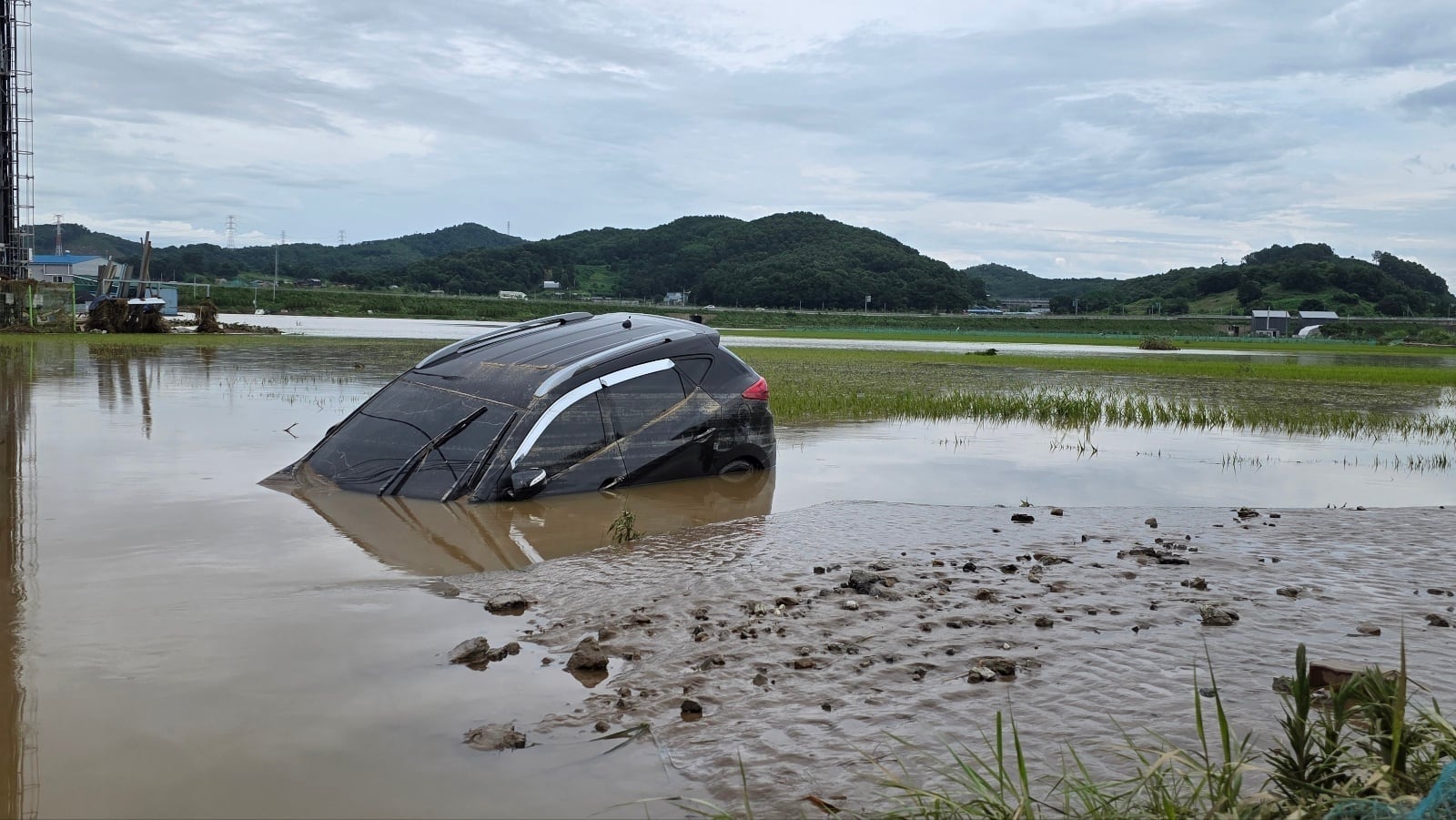
Recent data highlights the significant impact of vehicle flood damage caused by heavy rains over the past five years. On average, this type of damage has cost 44.3 billion Korean won annually. A notable 65% of these incidents occurred during the monsoon season in July and August, emphasizing the need for preparedness during this period.
On the 8th, the Financial Supervisory Service (FSS) released consumer guidelines for car insurance to help individuals prepare for accidents caused by long-distance travel and heavy rains during the summer vacation season. These guidelines aim to ensure that drivers are adequately protected against potential risks associated with adverse weather conditions.
According to the FSS, the average number of flood damage cases over the past five years (2021–2025) was 7,035, with 65% (4,589 cases) concentrated during the monsoon season in July–August. The average flood damage cost during summer in the same period was 44.3 billion Korean won, more than double the usual amount of 20.3 billion Korean won. This stark increase underscores the importance of proactive measures to mitigate such losses.
The FSS emphasized that to receive compensation for vehicle flood damage, drivers must be enrolled in the “vehicle single-accident damage special clause.” This specific clause covers damages to one’s own vehicle in accidents without collisions, such as flooding. Importantly, premiums are not increased if no fault is proven, making it a valuable addition to any driver’s insurance policy.
In addition to flood-related concerns, the FSS also urged caution regarding secondary accidents on highways during the summer vacation season. According to the FSS, “secondary accidents” caused by vehicles stopping due to breakdowns or accidents on highways totaled 65 cases last year, marking a 30% increase over the past four years. During the same period, the number of victims increased by 46%, including 25 deaths and 67 injuries.
“The fatality rate of secondary highway accidents is about five times higher than that of general accidents,” the FSS explained. “Most victims were hit while staying inside or near their vehicles.” This alarming statistic highlights the critical need for awareness and proper safety procedures when encountering such situations.
It was found that only 13.2% of drivers evacuated or reported accidents in the event of a vehicle breakdown or accident. Therefore, the FSS advised securing a safe distance, collecting evidence, contacting the insurance company, and reporting to the police in case of an accident. These steps can significantly improve safety and facilitate the claims process.
Additionally, the FSS recommended checking enrollment in the “emergency dispatch service special clause” the day before departing for a vacation. Drivers can receive services such as tire repairs and fuel supply under this clause in emergencies. This ensures that assistance is readily available when needed most.
The FSS stressed the importance of complete vehicle inspections before the monsoon season and regularly checking weather information. When identifying flood-risk areas through emergency evacuation alerts, drivers should move to a safe location immediately. Proactive preparation can make a substantial difference in preventing damage and ensuring personal safety.
Key Steps for Safe Travel During Heavy Rain Seasons
To ensure a safe and stress-free travel experience during the heavy rain seasons, consider the following steps:
- Enroll in the appropriate insurance clauses: Make sure your vehicle is covered under the “vehicle single-accident damage special clause” and the “emergency dispatch service special clause.”
- Check weather forecasts regularly: Stay informed about potential weather conditions that could affect your travel plans.
- Conduct a thorough vehicle inspection: Ensure that your vehicle is in good working condition before heading out, especially during the monsoon season.
- Stay alert on highways: Be cautious of other vehicles that may stop due to breakdowns or accidents, and maintain a safe distance.
- Report incidents promptly: In the event of an accident or breakdown, secure a safe distance, collect evidence, and report the incident to the relevant authorities.
By taking these precautions, drivers can significantly reduce the risk of accidents and minimize potential damage during the summer vacation season.