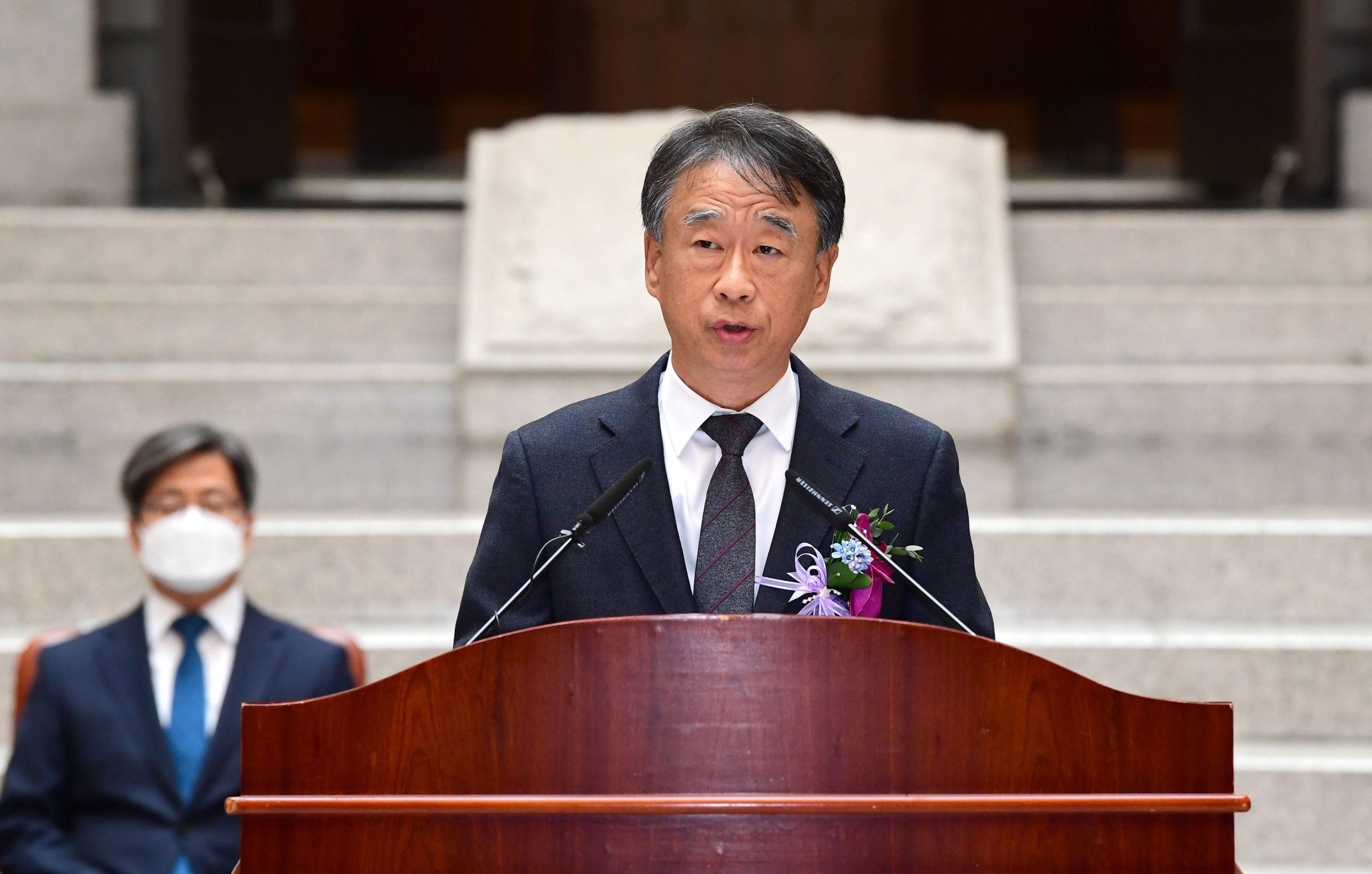
Justice Oh Seok-joon, a member of the 19th class of the Judicial Research and Training Institute, has decided to recuse himself from the Supreme Court trial concerning the case of former President Yoon Suk-yeol related to ‘obstruction of arrest.’ Recusal is a process where a judge voluntarily steps down from a trial to avoid any potential conflicts of interest. This decision is seen as an effort to prevent disputes about personal connections with the former president from affecting the fairness of the trial.
On this day, the Supreme Court mentioned that Justice Oh did not participate in the deliberations after the case was assigned due to concerns about misunderstandings regarding the fairness of the trial and will not be involved in the sentencing. The Supreme Court’s Third Division, which consists of Justices Lee Heung-gu, Oh Seok-joon, No Kyung-pil, and Lee Sook-yeon, had to handle the deliberations for the former president’s case without Justice Oh. The presiding judge is Justice Lee Sook-yeon, while the chief justice is Justice Lee Heung-gu. On the 9th, Chief Justice Lee Heung-gu is expected to announce the ruling or conclusion of the trial in court.
Justice Oh was first appointed in 2022 under the Yoon Suk-yeol administration. During his confirmation hearing, it was revealed that he had personal ties with the former president. The two were known to have been senior and junior classmates at Seoul National University’s College of Law, having prepared for the bar exam together. Former President Yoon belongs to the class of 1979, while Justice Oh is from the class of 1980.
During the confirmation hearing, Justice Oh admitted that they had meals or drank together during their university years and stated that he attended the former president’s wedding. In a written response to the National Assembly, he also mentioned that from 2015 to 2019, over approximately four and a half years, they met personally two to three times for dinner with alcohol. However, he noted that they are not unusually close and added that even if a call comes from the president, he would hang up.
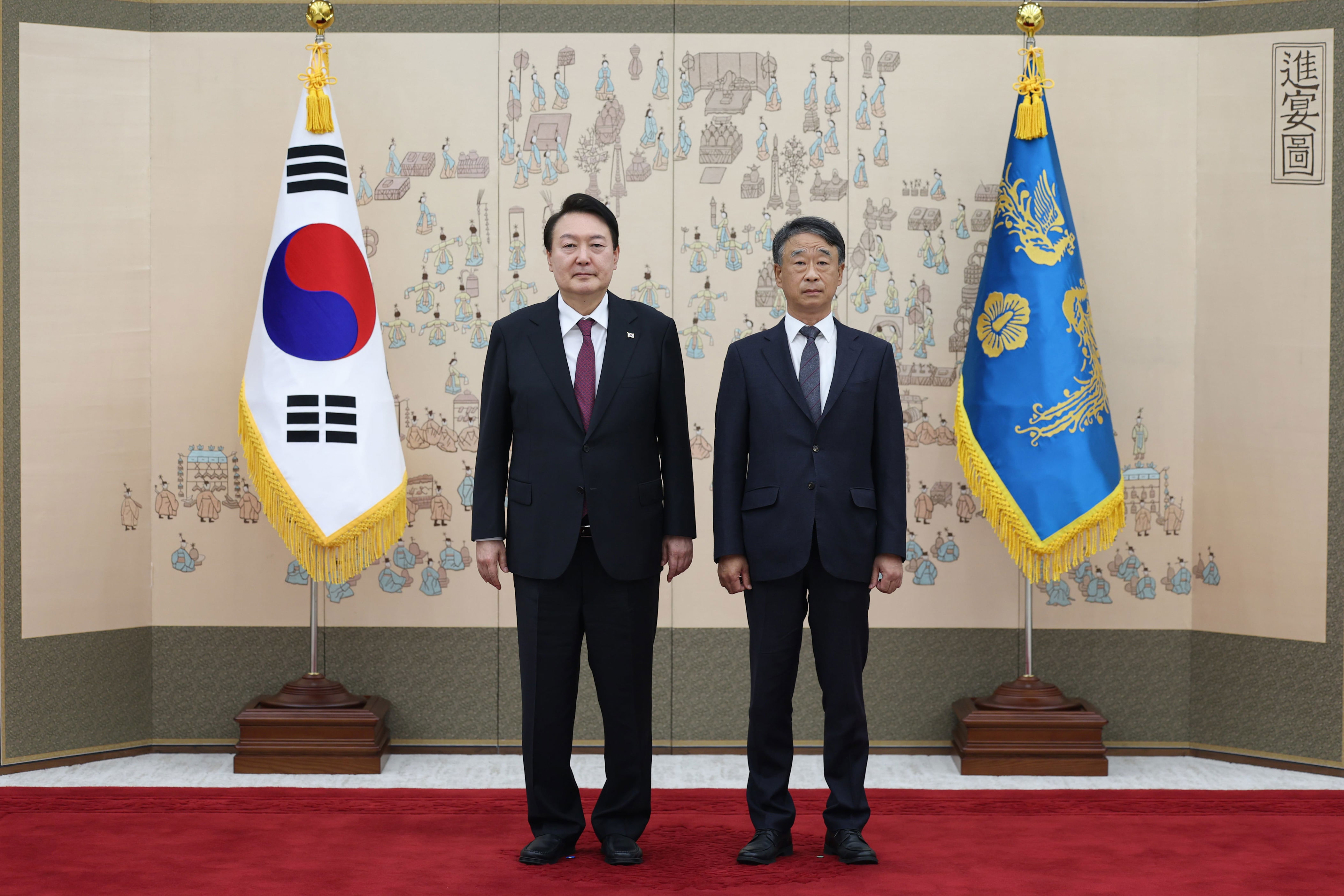
This case involves former President Yoon being indicted for allegedly mobilizing Presidential Security Service personnel in January last year to obstruct the execution of an arrest warrant by the Corruption Investigation Office for High-ranking Officials (aggravated obstruction of official duties), and for convening only some cabinet members just before declaring a state of emergency, thereby blocking other cabinet members from exercising their deliberation rights (abuse of authority and obstruction of exercise of rights). The first trial sentenced former President Yoon to five years in prison, while the second trial overturned some not-guilty verdicts from the first trial, convicting him and imposing a heavier seven-year prison sentence.
The Supreme Court permitted a live broadcast of this sentencing to media outlets. This marks the first time a ruling by a Supreme Court division, rather than the full bench, is being broadcast live.