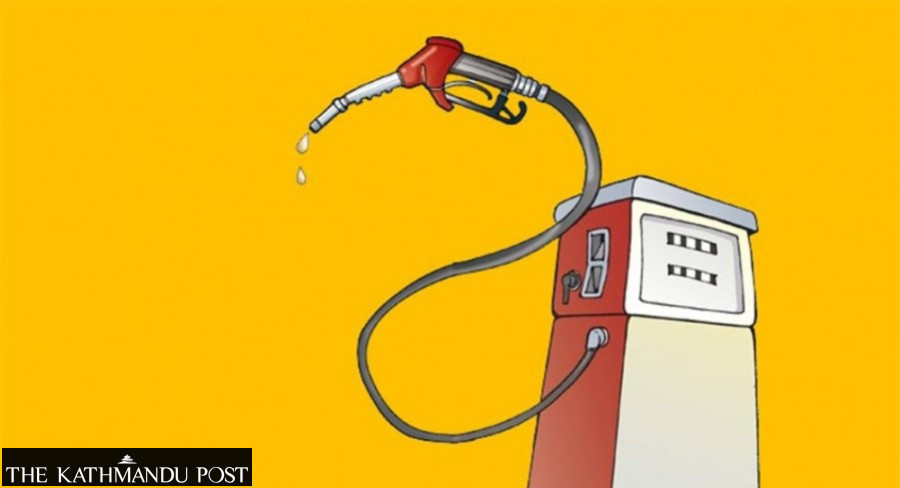
Nepal Oil Corporation Adjusts Fuel Prices Amidst Global Market Fluctuations
Kathmandu, Nepal – March 26 – In a move that will directly impact consumers, the Nepal Oil Corporation (NOC) has announced a further increase in the prices of essential petroleum products. This marks the second adjustment to fuel costs within a fortnight, underscoring the volatile nature of international energy markets and their immediate repercussions on Nepal’s economy.
The corporation has implemented a uniform hike of NPR 15 per litre for both petrol and diesel/kerosene. These revised rates came into effect from midnight on Wednesday, following a previous price revision that took place on March 15.
New Price Structure for Petroleum Products:
The latest price adjustments have introduced a tiered pricing system across different regions, reflecting logistical costs and market dynamics. The new rates are as follows:
- Petrol:
- Category 1: NPR 184.50 per litre
- Category 2: NPR 186 per litre
- Category 3: NPR 187 per litre
- Diesel and Kerosene:
- Category 1: NPR 164.50 per litre
- Category 2: NPR 166 per litre
- Category 3: NPR 167 per litre
For residents within the capital city, Kathmandu, petrol will now be priced at NPR 187 per litre, aligning with the highest tier.
Understanding the Pricing Categories:
The classification of depots into different categories is based on geographical location and associated transportation expenses. The three categories are defined as follows:
- First Category: This tier includes depots located in areas such as Charaali, Biratnagar, Janakpur, Amlekhgunj, Bhalwari, Nepalgunj, Dhangadhi, and Birgunj. These are generally areas with more accessible distribution networks.
- Second Category: Depots in Surkhet and Dang fall under this category, indicating slightly higher logistical considerations compared to the first tier.
- Third Category: This category encompasses depots in Kathmandu, Pokhara, and Dipayal. These locations, particularly those in more remote or mountainous regions, often incur higher transportation costs, leading to the highest retail prices.
Rationale Behind the Price Increase:
The Nepal Oil Corporation has attributed this latest price adjustment to a significant surge in international fuel prices. The corporation provided figures indicating the extent of this global price escalation. Between March 1 and March 24, the cost of purchasing petrol on the international market saw an increase of NPR 76 per litre. Similarly, the cost of diesel experienced an even more substantial rise of NPR 143 per litre during the same period.
This substantial increase in procurement costs for the NOC necessitates a corresponding adjustment in domestic retail prices to mitigate financial losses and ensure the continued supply of fuel. The corporation’s decision highlights the direct correlation between global commodity prices and the cost of living for citizens in import-reliant nations like Nepal. Consumers are once again facing the challenge of higher transportation and operational costs as a direct consequence of global economic factors. The recurring nature of these price hikes suggests a need for a deeper examination of Nepal’s energy import strategy and potential avenues for price stabilization in the future.