Tourism in Britain Faces Crisis Over Proposed Holiday Levy
The tourism sector in Britain is under significant pressure, with concerns that the proposed ‘holiday levy’ could push the industry to the brink of collapse. A prominent lettings boss has raised alarms, warning that the tax could be ‘taxing the industry out of existence’. The new levy, outlined in the King’s speech, allows for additional payments on holiday bookings, potentially adding up to £140 to a two-week stay for a family of five.
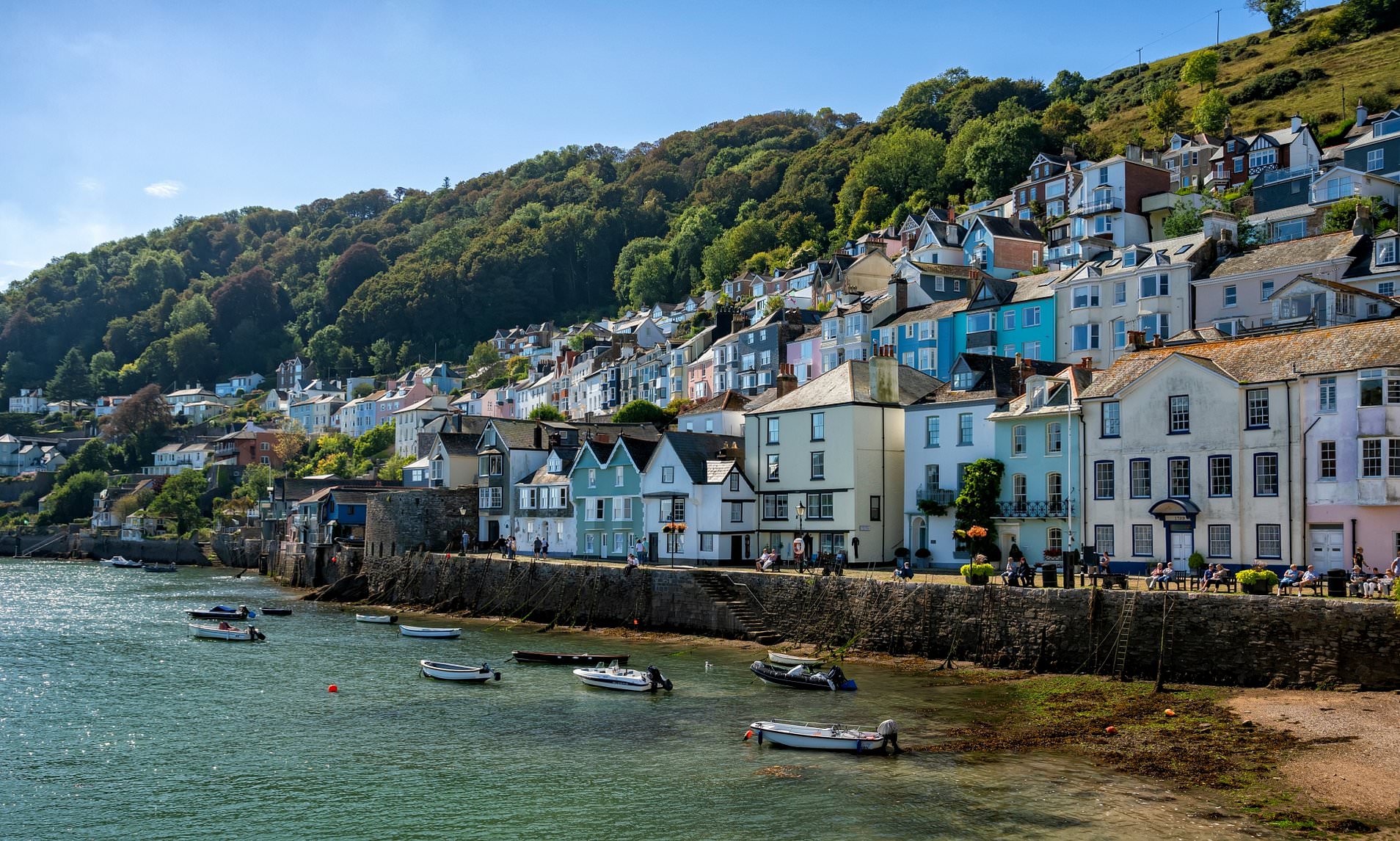
Kate Allen, who runs Finest Stays in South Devon, has been vocal about her concerns. She described the move as “just another stealth tax” and highlighted how the hospitality sector is already “taxed to high heaven”. According to her, the proposed levy could have a catastrophic impact on regions like Devon and Cornwall, which are already competing fiercely for business.
Allen also pointed out that it is misleading for the government to reference cities like Amsterdam and Paris, where tourist taxes have already been implemented. She noted that British businesses already pay double the VAT compared to their European counterparts. “When you talk about visitor levy and you go abroad, it has a different impact on the industry,” she said. “We are already taxed to high heaven.”
Uncertainty Surrounds Tax Implementation
Another concern is the lack of clarity on how the tax will be applied. Allen criticized the vague plans, questioning whether the levy would be based on a percentage of rental prices, per person, or per room per night. She warned that a percentage-based system could be particularly devastating for high-cost holiday lets.
Ian White from StayBlackpool.com echoed these sentiments, suggesting that the new levy could be “more than the straw that breaks the camel’s back”. He mentioned that businesses in Blackpool are already struggling to fill rooms due to over 500 unregulated lettings in the area.
In Cornwall, Peter Robinson from Enjoy Fowey reported a 16% drop in bookings year-on-year. He warned that any additional tax would increase the cost of holidays for families already facing financial difficulties. “It’s quite difficult for businesses to attract people already,” he said. “This is going to add to the difficulties of us in Cornwall competing with people flying to Tenerife.”
Impact on Local Economies
Henry Wild, who has run a 140-acre holiday park at Skelwith Fold in Ambleside for 30 years, expressed concerns about the rising costs of running a tourism business. He stated that making a profit has become increasingly challenging due to rising expenses. “If people could see how much is already charged in tax when they go away, they would be shocked. It’s probably already around 30 per cent,” he said.
Wild also warned that the tax could lead to an increase in daytrippers rather than overnight stays. “Instead of staying overnight, the region would be flooded with even more daytrippers who picnic and leave rubbish behind but do not benefit the local economy,” he explained. He added that if the funds were used to improve local facilities, the tax might be more acceptable. However, he believes this is not the case.
Debbie Walker from the Holiday & Residential Parks Association suggested that a per person per night levy could add up to £140 to a two-week holiday for a family of five. She acknowledged the financial pressures faced by local authorities but argued that adding around £100 to a typical family break is not the right solution.
Conclusion
The proposed holiday levy has sparked widespread concern among tourism operators across Britain. From the south coast to the Lake District, industry leaders are warning that the tax could have far-reaching consequences. With existing challenges such as rising costs, competition from international destinations, and an uncertain economic climate, the introduction of a new levy could push the sector into crisis. As debates continue, the future of tourism in Britain remains uncertain.