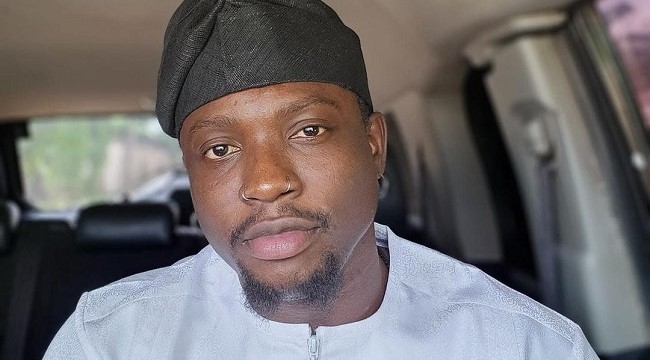
Social Media Commentator Questions Relationship Expert’s Cancer Diagnosis
A prominent Nigerian social media personality, known online as VeryDarkMan (VDM), has publicly voiced skepticism regarding the recent claim by self-proclaimed relationship expert Blessing CEO that she has been diagnosed with stage 4 cancer. VDM, a vocal commentator on social media trends and controversies, has directly challenged Blessing CEO to provide verifiable evidence to support her deeply personal and serious assertion.
In a video addressing the unfolding situation, VDM articulated his reasons for doubting the authenticity of Blessing CEO’s announcement. He highlighted what he perceives as a significant lack of “any concrete evidence to support her claim.” According to VDM, the act of sharing a tearful video online, without accompanying medical documentation or proof of ongoing treatment, immediately raises substantial questions in the public domain.
VDM stressed the gravity of a cancer diagnosis, particularly at stage 4, describing it as a severe and often incurable disease. He argued vehemently that such a diagnosis “should not be used for emotional appeal” or as a means to garner personal attention. He issued a stern warning, suggesting that unsubstantiated claims of this nature could not only mislead the public but also trivialise the immense suffering associated with a life-threatening illness.
The controversy began to gain traction on Wednesday when Blessing CEO shared an emotional video on her Instagram account. In the footage, she appeared visibly distressed, showcasing hair loss and detailing the profound impact the alleged illness was having on her life. While the post garnered significant sympathy from many of her followers, it simultaneously intensified the scrutiny from critics, including VDM, who have been vocal in their calls for verification of her medical status.
This is not the first instance of Blessing CEO facing public scrutiny and controversy. VDM alluded to past incidents that have led to questions about her credibility. Notably, he referenced a 2019 event where Blessing CEO falsely claimed ownership of a property. This assertion ultimately led to her arrest by the rightful owner of the house, Onye Eze. Following this incident, Blessing CEO issued a formal apology. VDM’s reference to these past events serves to underscore his position that a pattern of questionable claims necessitates a higher degree of proof when making such significant public statements.
The debate highlights a broader societal concern about the responsible use of social media for personal disclosures, particularly when they involve sensitive health matters. The digital landscape, while offering platforms for connection and sharing, also presents challenges in discerning truth from fabrication. The public’s demand for evidence in such cases stems from a desire to protect the vulnerable and to ensure that serious medical conditions are not exploited for personal gain or attention.
The ongoing discourse surrounding Blessing CEO’s claim underscores the critical importance of transparency and accountability in public statements, especially those concerning health. As the situation develops, the public will likely continue to await further information that can substantiate or refute the claims made, navigating the complexities of digital communication and personal disclosures in the modern era.