House Engulfed in Blast Amidst Escalating Regional Tensions
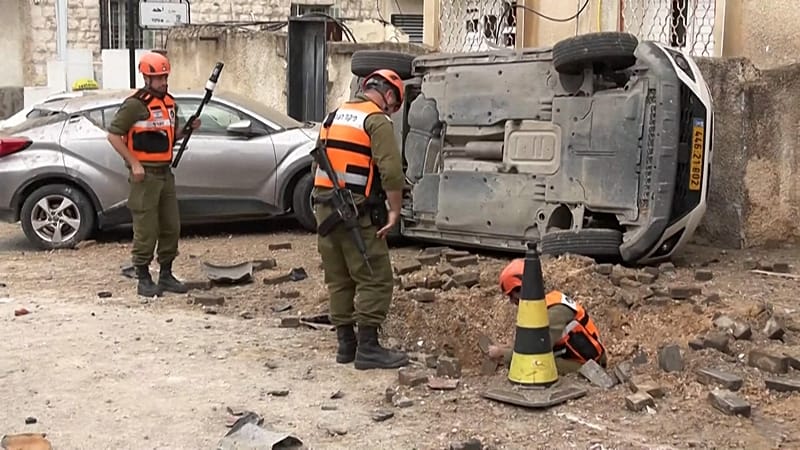
A powerful explosion ripped through a residential building, sending shockwaves through the local community and highlighting the pervasive insecurity gripping the region. Israeli rescue services reported an immediate response, with medics and intensive-care teams arriving at the scene within minutes of the blast. Residents, drawn from their homes by the concussive force, emerged to survey the devastating aftermath: shattered walls, broken windows, and debris scattered across the area.
The incident occurred against a backdrop of heightened regional conflict, with Iran launching a fresh wave of projectiles towards central Israel. This simultaneous escalation kept air-raid sirens blaring across multiple locations, underscoring the constant state of alert.
According to Israeli emergency officials, at least five individuals inside the damaged home sustained minor injuries. These individuals were promptly transported to a nearby hospital for treatment. A first responder on the scene described the immediate moments after arrival as “chaos,” with visible destruction concentrated at the epicentre of the property.
This latest strike adds to a growing tally of civilian incidents directly or indirectly linked to the ongoing conflict. The escalation, which began on February 28th, has seen an increase in the danger posed by falling debris and missile fragments, even in areas not directly targeted.
The threat to civilian life remains a significant concern. Israeli authorities issued stern warnings on Thursday, indicating the possibility of further incoming barrages from Iran. This intelligence suggests that the danger to communities surrounding Tel Aviv remains immediate and acute, necessitating continued vigilance and preparedness.
The impact of such events extends beyond immediate casualties. The psychological toll on residents, living under the constant threat of attack and destruction, is profound. Families are forced to grapple with the destruction of their homes and livelihoods, adding a layer of personal tragedy to the broader geopolitical crisis.
The Wider Context: A Region Under Siege
The incident serves as a stark reminder of the fragile security situation in the Middle East. The exchange of fire between Iran and Israel, while a significant development, is part of a complex and interconnected web of regional tensions. The conflict has spilled over into various domains, impacting not only military objectives but also the daily lives of ordinary citizens.
- ** Civilian Infrastructure at Risk:** The destruction of a residential property underscores the vulnerability of civilian infrastructure to the ongoing hostilities. The indiscriminate nature of some attacks means that homes, schools, and hospitals are all potential targets, exacerbating the humanitarian crisis.
- ** Psychological Impact on Communities:** Beyond the physical damage, the constant threat of violence takes a significant psychological toll. Residents live in a state of heightened anxiety, with air-raid sirens becoming a regular, albeit terrifying, soundscape. This prolonged stress can lead to long-term mental health issues within affected communities.
- ** Economic Repercussions:** The destruction of property and the disruption of daily life have significant economic consequences. Businesses may be forced to close, supply chains can be interrupted, and the cost of rebuilding and recovery can be immense, placing a heavy burden on national economies.
- ** International Concern and Diplomatic Efforts:** The escalating regional tensions have drawn significant international attention. Diplomatic efforts are underway to de-escalate the situation and prevent further loss of life. However, the complex geopolitical landscape presents significant challenges to achieving lasting peace.
The ongoing situation demands a multifaceted approach, focusing not only on immediate security concerns but also on addressing the root causes of the conflict and providing humanitarian assistance to those affected. The international community has a crucial role to play in fostering dialogue, promoting de-escalation, and supporting efforts towards a peaceful resolution. The destruction of homes and the injuries sustained by civilians are not mere statistics; they represent individual lives and families caught in the crossfire of larger geopolitical struggles. The need for a swift and effective response to mitigate further harm remains paramount.