Escalation of Tensions in the Strait of Hormuz
The United States has taken a significant step by revoking sanctions exemptions on Iranian crude oil following a series of attacks on tankers in the Strait of Hormuz. The U.S. Department of the Treasury’s Office of Foreign Assets Control (OFAC) announced that it had canceled a 60-day temporary general license issued on June 21, which allowed the production, delivery, and sale of Iranian crude oil. This decision marks a reversal of the previous sanctions exemptions, which had been granted under a prior memorandum of understanding (MOU) between the U.S. and Iran, just within a month.
Attacks on Tankers Raise Concerns
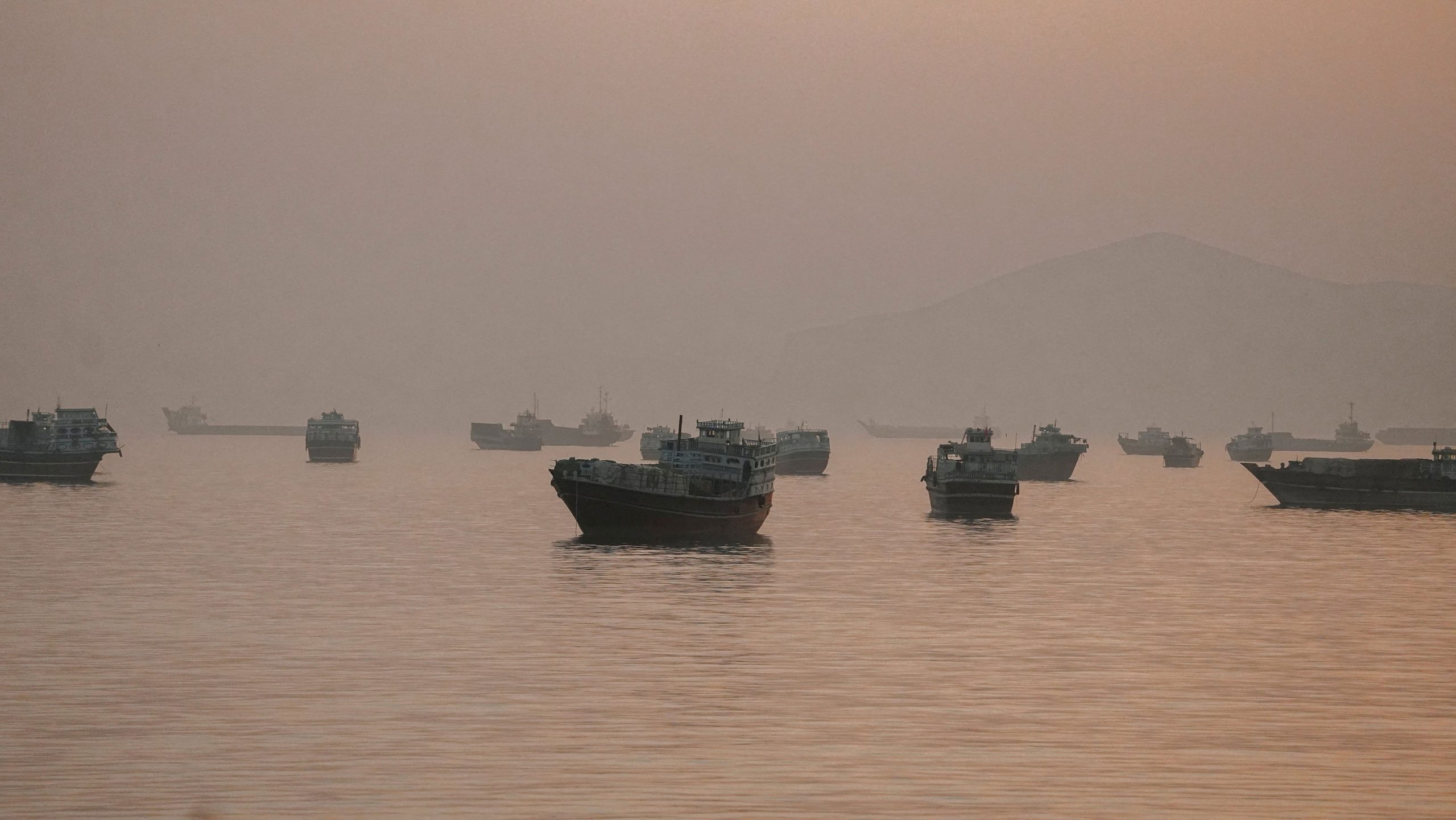
According to reports from AFP and other foreign media, three tankers, including a Qatar-flagged vessel, were targeted by unidentified projectiles while attempting to pass through the Strait of Hormuz. The British Navy’s UK Maritime Trade Operations (UKMTO) confirmed a second tanker attack in the strait on the same day. UKMTO stated, “We received a report of an incident involving a tanker navigating the Strait of Hormuz. The tanker is believed to have been struck by an unidentified projectile, causing structural damage to its hull. No casualties or environmental pollution have been reported so far.”
Condemnation from the U.S. and Qatar
The U.S. and Qatar immediately condemned the attacks and accused Iran of being the perpetrator. A U.S. government official told Reuters, “Iran’s actions in the Strait of Hormuz are absolutely unacceptable,” adding that Iran would face consequences. Another U.S. official noted that initial investigations had identified Iran as the attacker. Qatar also took action by summoning Iran’s deputy ambassador to protest the tanker attacks. The Qatari Ministry of Foreign Affairs delivered a letter of protest to the Iranian deputy ambassador, demanding an explanation. It also urged Iran to “immediately cease all actions undermining regional security and refrain from threatening the stability of international maritime transport and global energy supply.”
Recent Incident Involving a LNG Carrier
The previous night, the Qatar-flagged LNG carrier Al Ekwat was reportedly hit by a missile near the Strait of Hormuz, causing a fire in its engine room and raising the risk of an explosion. This incident further heightened concerns about the safety of maritime traffic in the region.
Growing Tensions and Impact on Negotiations
As Iran insists on imposing transit fees after the 60-day negotiation period, citing control over the Strait of Hormuz, and the U.S. advocates for free passage, concerns grow that the U.S. revocation of sanctions exemptions could negatively impact follow-up talks. Iran may retaliate, arguing that the move undermines trust necessary for negotiations.
Impact on International Oil Prices
International oil prices surged on the 7th. On the ICE Futures Europe exchange, September Brent crude futures settled at $74.16 per barrel, up 3.01% from the previous close. On the New York Mercantile Exchange, August West Texas Intermediate (WTI) crude futures closed at $70.44 per barrel, rising 2.76%. Both Brent and WTI marked their largest gains since June 1.
Subscription Offers for Readers
For those interested in staying updated with the latest news, there are several subscription offers available. For example, a membership plan priced at 5900 won provides access to newspapers for readers at 2900 won. Another option includes 55000 won worth of newspapers and magazines, allowing members to enjoy a variety of publications. Additionally, members can receive 7000 points that can be used like cash for shopping, making it an attractive deal for frequent readers.