Escalation of Tensions Between the U.S. and Iran
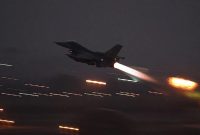
The United States has taken a significant step in response to recent attacks on oil tankers in the Strait of Hormuz, launching a powerful airstrike that it claims will make Iran pay a heavy price. The attack came after Iran allegedly targeted three oil tankers attempting to pass through the strategic waterway, which the U.S. described as a “clear violation of the previous agreement.” In retaliation, Iran stated that the U.S. had violated the Memorandum of Understanding (MOU) and vowed to respond decisively.
The U.S. conducted the airstrike just days after canceling a 60-day temporary general license issued on June 21. This license allowed for the production, delivery, and sale of Iranian oil. Iranian media reported that the country’s foreign ministry condemned the Treasury Department’s decision, calling it an act of “malice” and suggesting that the U.S. administration could not be trusted.
Iran argued that the cancellation of the license violated Article 10 of the MOU, which outlined that the U.S. Treasury would issue exemptions for the export of Iranian oil, petrochemical products, and their derivatives, along with related services such as banking, insurance, and transportation. These exemptions were to be in place from the date the MOU was signed until the date of sanctions relief.
Iran maintains that it holds full sovereignty and control over the Strait of Hormuz. Regarding the tanker attacks, Iran did not confirm or deny involvement but stated that any failure to comply with its designated routes would place full responsibility on the parties involved.
Local Iranian media reported explosions near Sirik and Keshim in the south shortly after the U.S. announced the airstrike. These attacks reportedly targeted commercial and fishing ports.
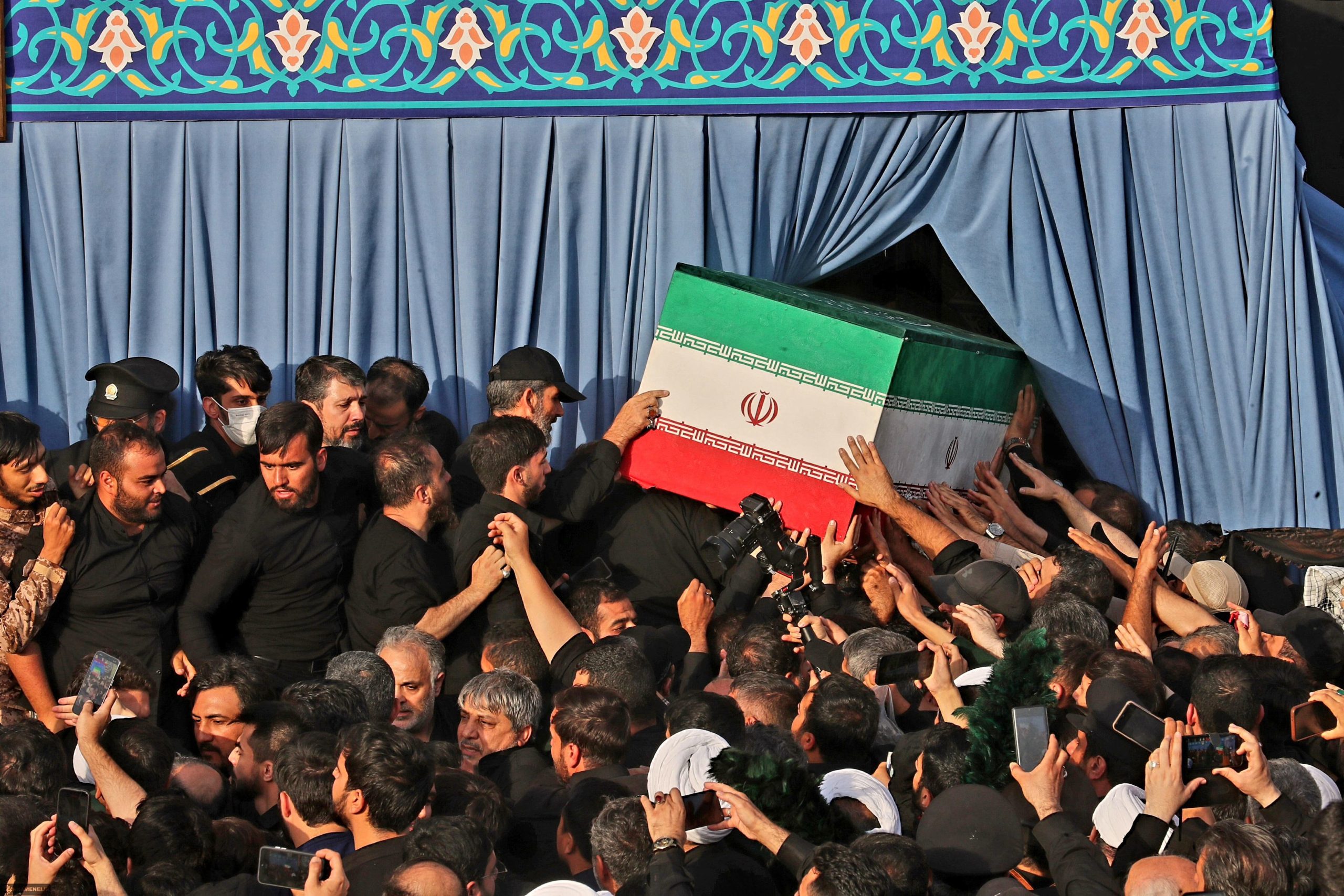
The U.S. airstrike took place on the fourth day of the late Supreme Leader Ali Khamenei’s funeral schedule. His remains arrived in Iraq on the same day, with funeral proceedings continuing at the Shia holy city of Karbalā.
Mohammad Bagher Zolghadr, secretary-general of Iran’s Supreme National Security Council, warned that if U.S. threats continue, Iran will retaliate in “other ways.” Military factions, including the Islamic Revolutionary Guard Corps, have also stated they are “prepared to respond at any time with drones and missiles.”
Key Points of the Conflict
- The U.S. launched a powerful airstrike following alleged attacks on oil tankers in the Strait of Hormuz.
- Iran claimed the U.S. violated the Memorandum of Understanding (MOU) and vowed to respond decisively.
- The U.S. canceled a 60-day general license for the production and sale of Iranian oil, prompting strong condemnation from Iran.
- Iranian media accused the U.S. of acting out of “malice” and questioned the trustworthiness of the U.S. administration.
- Iran emphasized its sovereignty over the Strait of Hormuz and did not confirm involvement in the tanker attacks.
- Explosions were reported near Sirik and Keshim, targeting commercial and fishing ports.
- The airstrike occurred during the funeral of Iran’s late Supreme Leader, Ali Khamenei.
- Iranian officials warned of potential retaliation using drones and missiles if U.S. actions continue.
Implications for Regional Stability
The escalating tensions between the U.S. and Iran have significant implications for regional stability. The Strait of Hormuz is a critical shipping lane, and any disruption can have global economic consequences. The recent attacks on oil tankers and the subsequent military actions by both sides highlight the fragile state of relations between the two nations.
As the situation continues to develop, it remains to be seen how other regional players will respond. Countries in the Gulf Cooperation Council (GCC) and international organizations may play a role in mediating the conflict or providing support to affected parties.
The ongoing conflict also raises concerns about the potential for further escalation, particularly given the involvement of military groups like the Islamic Revolutionary Guard Corps. Their readiness to respond with drones and missiles underscores the high stakes involved.
With the funeral of Ali Khamenei taking place, the political landscape in Iran is also shifting, which could influence future decisions and responses to U.S. actions.
In this volatile environment, diplomatic efforts and dialogue remain crucial to preventing further conflict and ensuring the security of vital maritime routes.