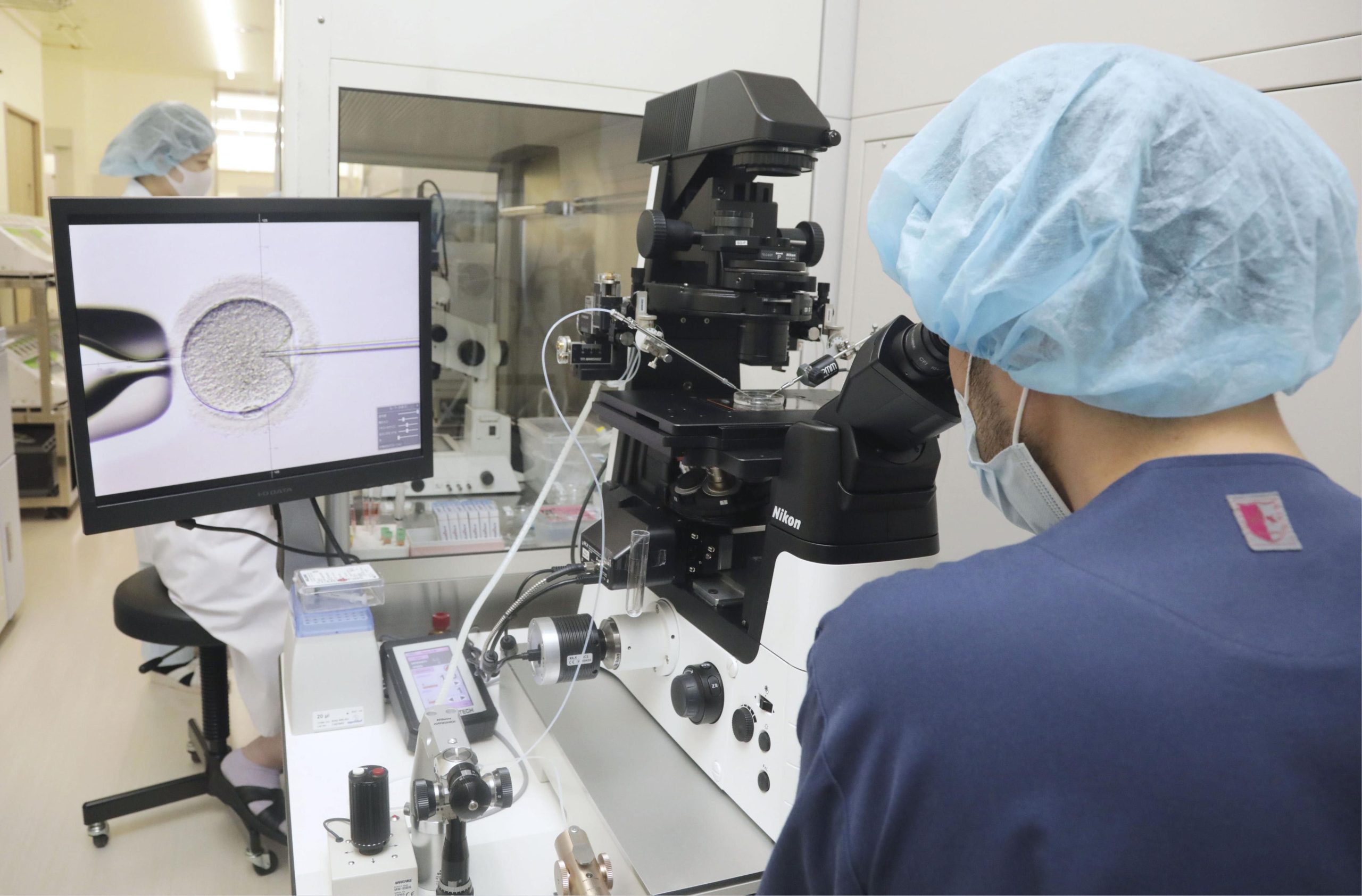
Rising Infertility Rates in Japan
A recent study conducted by Hokkaido University has revealed that 37.8 percent of women aged between 25 and 49 in Japan are either experiencing or have experienced infertility. This figure is significantly higher than the global average of 17.5 percent, as reported by the World Health Organization. The WHO defines infertility as the “failure to achieve a pregnancy after 12 months or more of regular unprotected sexual intercourse.”
Eri Maeda, an associate professor at Hokkaido University and head of the research group, highlighted that one of the main reasons for this increase is the trend of couples choosing to have children later in life. This shift is evident from the rising average age of first-time mothers in Japan. In 2024, the average age was 31.0 years, compared to 27.5 in 1995. This places Japan among the higher brackets of OECD countries.
Maeda also emphasized that infertility is not solely a woman’s issue. “Infertility is also common among men. It’s a mistake to consider it a ‘woman’s issue,’” she said.
Survey Methodology and Key Findings
The survey involved 3,000 women selected from the nationwide resident register, which lists all members of each household. The university received 1,200 valid answers, with 853 responses analyzed from individuals who were married or had a male live-in partner.
One of the most striking findings was that only 8.3 percent of respondents were having sex more than once a week. This is far lower than the 60 percent among married women in the United States, as noted in a 2020 study. Maeda suggested that the infrequency of sexual activity might be prolonging the time needed to become pregnant, thereby contributing to higher infertility rates.
Contributing Factors
The study identified several factors that may affect fertility, including long work hours, living environments, and a culture that does not prioritize one’s sex life. These elements can create additional stress and reduce the chances of conception.
In-Vitro Fertilization Trends
The results of the study come at a time when the number of children born via in-vitro fertilization (IVF) in Japan has reached record levels. In 2023, approximately 85,000 children were born through IVF, equivalent to one in 8.6 people, according to the Japan Society of Obstetrics and Gynecology.
In April 2022, fertility treatments were expanded to public insurance, making the process more accessible to those who previously found it cost-prohibitive. However, there have been calls to eliminate age and frequency limits on these treatments.
Broader Concerns
A separate study conducted by the National Institute of Population and Social Security Research in 2021 found that 39.2 percent of couples expressed concerns about infertility. This highlights the growing awareness and anxiety surrounding reproductive health in Japan.
Conclusion
The findings of this study underscore the complex interplay of social, cultural, and biological factors affecting fertility in Japan. As more couples delay parenthood, the need for comprehensive support systems becomes increasingly important. Addressing these challenges will require a multifaceted approach that includes policy changes, public awareness campaigns, and improved access to reproductive healthcare.