The Impact of a Social Media Boycott on Keumbu Market Traders
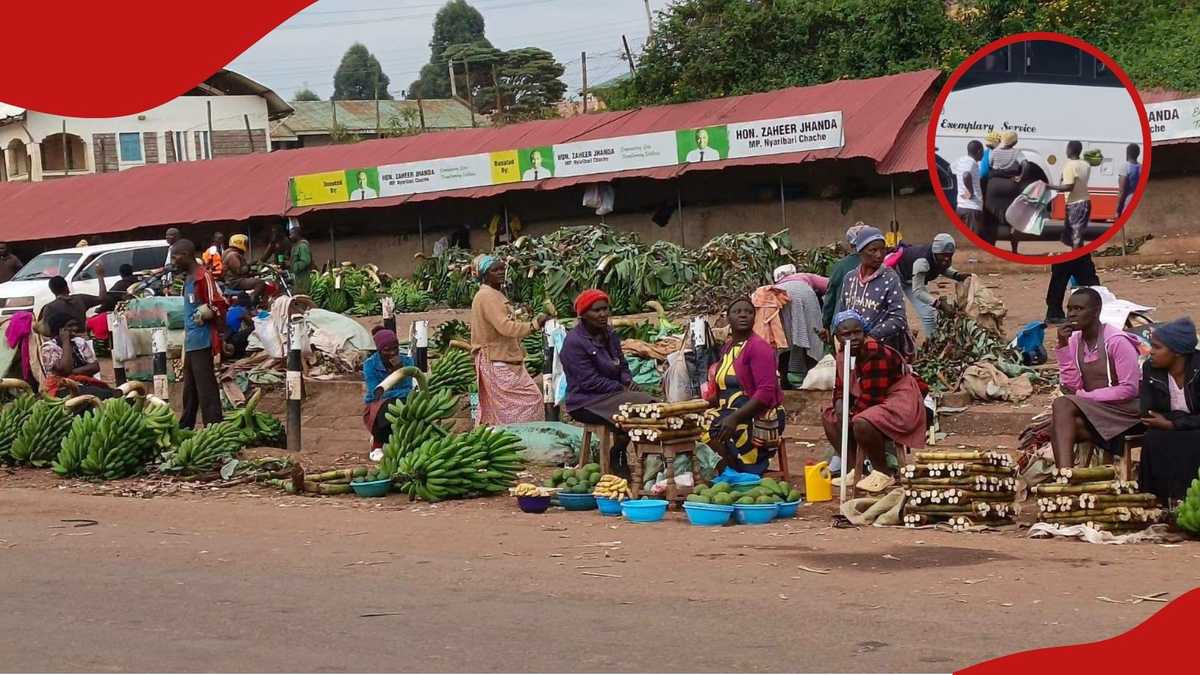
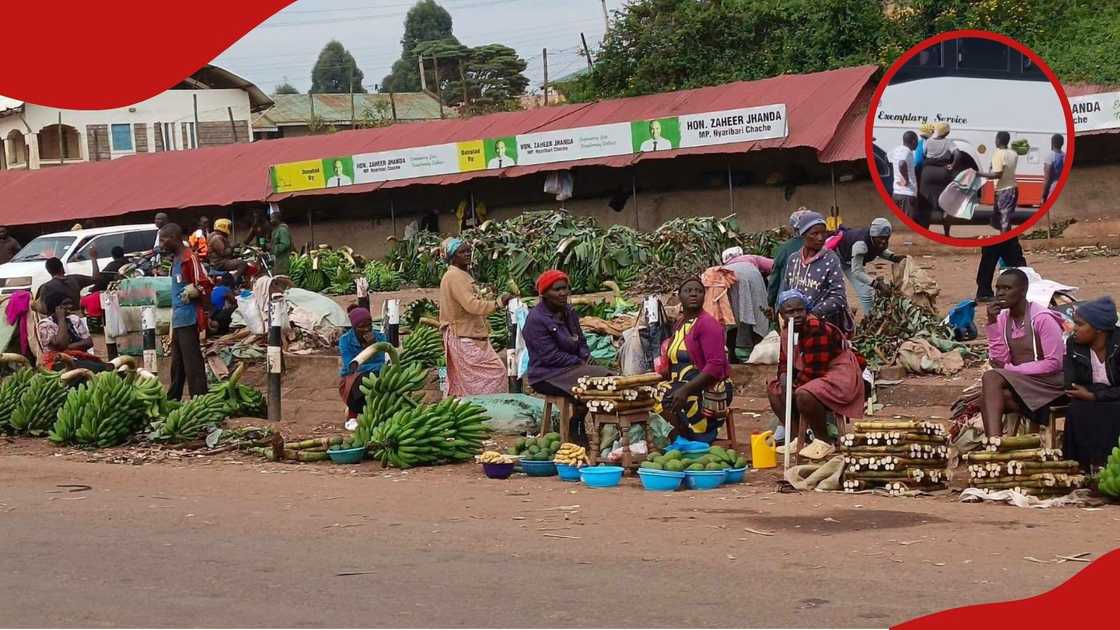
Small-scale traders and hawkers at Keumbu Market have faced a significant decline in customers following a social media boycott campaign that emerged after a violent incident on Friday, July 3. The attack, which resulted in one death, led to widespread online pressure against the market, affecting the livelihoods of many local vendors.
The situation escalated when the Linda Mwananchi brigade, led by Nairobi senator Edwin Sifuna, was attacked along the Kisii-Keroka Highway. Stones were hurled at the procession, causing damage to vehicles and leaving several people injured. Vincent Osiemo, 36, died after falling from a campaign vehicle during the chaos.
Traders at Keumbu Market were accused of being involved in the attack, although they strongly denied these claims. This accusation led to a social media campaign urging people to avoid purchasing goods from the market. The pressure soon extended beyond digital platforms, with matatu owners reportedly instructing drivers and conductors to skip routine stopovers at the market unless necessary for passenger pick-up or drop-off.
Immediate Effects on Traders
The impact on the traders has been immediate and severe. Many described their businesses as struggling, with some even expressing despair over the situation. One woman shared her anguish, stating, “Our businesses are going down. We are crying. Even those who were beaten and killed are our children. The incident heavily burdens us. So our dear Kenyans, some of us are innocent, do not hate us.”
Another hawker noted how the situation had changed overnight. She mentioned, “The business was good, but from Friday, everything went south. We are now crying because if you go to hawk on vehicles, you are told to go and sell to Jhanda or Arati. We do not know what is going on,” referring to MP Zaheer Jhanda and Kisii governor Simba Arati, who are linked to the political tensions surrounding the incident.
The traders have since appealed for forgiveness, acknowledging that the attack on politicians was wrong. They emphasized their innocence and urged the public to reconsider their stance.
Arrests and Calls for Investigation
In response to the violence, police arrested seven suspects in connection with the incident: Meboline Mostiri, Amos Ntabo, Brandon Ombaba, Allan Masese Onyambu, Godffrey Bosire Mokaya, Stanley Okeyo, and Julius Obegi Orangi. Additionally, MP Jhanda was summoned to record a statement regarding the incident as investigations continue.
Survivors of the attack have called on the Independent Policing Oversight Authority (IPOA) to conduct an independent investigation into the incident. Stakeholders in the area have also pressed for calm and dialogue as a means of restoring normal trading conditions at the market.
The Path Forward
As the community grapples with the aftermath of the attack, there is a growing need for reconciliation and understanding. The traders at Keumbu Market are hoping for a resolution that allows them to resume their businesses without the stigma of the social media boycott.
The situation highlights the power of social media in shaping public opinion and the potential consequences for communities caught in the crossfire of political tensions. As the investigation continues, it remains to be seen how the local market will recover and rebuild its reputation.