Sony-Honda’s ‘Afeela’ EV Project Halted Amidst Shifting Market Dynamics
The ambitious venture by Japanese tech giant Sony and automotive stalwart Honda to create the futuristic electric vehicle ‘Afeela’ has been effectively discontinued. The groundbreaking concept aimed to fuse Sony’s advanced digital technologies with Honda’s renowned vehicle design and manufacturing prowess, envisioning a “moving entertainment platform” that transcended the traditional definition of an automobile. However, the project has been significantly impacted by a confluence of factors, including a temporary slowdown in electric vehicle (EV) demand, commonly referred to as the “EV chasm,” and a recalibration of EV policies in key markets, particularly the United States.
Sony-Honda Mobility, the joint venture established in 2022 through a collaborative investment by both Sony and Honda, officially announced the suspension of development and release plans for both the initial ‘Afeela 1’ model and subsequent vehicles slated for market entry after 2028. The ‘Afeela 1’ was initially intended for a North American debut this year. The overall design direction of the ‘Afeela 1’ was first unveiled in 2023, with a pre-mass-production prototype showcased at the Consumer Electronics Show (CES) in January of last year. While the company has indicated that discussions between Sony and Honda regarding future business strategies will persist, industry observers widely interpret this development as a significant setback, with many within the Japanese automotive sector viewing the project as having reached its conclusion.
The impact of the EV market slowdown proved to be a decisive factor. Honda, in particular, has faced considerable financial challenges. The company anticipates a substantial net loss for the fiscal year ending March 2026, projecting a deficit of up to 690 billion yen (approximately $4.6 billion USD). This financial strain has led Honda to re-evaluate its EV product pipeline. Previously, Honda had announced the suspension of development for three other EV models – the Honda 0 Series (including the SUV and Sedan variants) and the Acura RSX – which were also slated for North American production. The decision to halt the Afeela project is intrinsically linked to these broader strategic adjustments within Honda’s EV division.
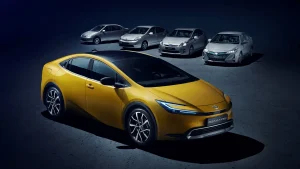
This setback for the Afeela project casts a shadow over the broader landscape of the Japanese EV industry. While Japanese automakers, such as Toyota, have demonstrated considerable global strength and competitiveness in the hybrid vehicle segment, many industry analysts and critics argue that they have struggled to establish a significant foothold in the pure electric vehicle (BEV) market. This perceived lag places them behind leading EV manufacturers like Tesla and a growing number of ambitious Chinese companies that have rapidly advanced their EV technologies and market penetration.
Key Factors Contributing to the Afeela Project’s Halt:
- The “EV Chasm”: A period of slower-than-anticipated growth in consumer demand for pure electric vehicles, leading to oversupply and price pressures.
- Policy Shifts: Changes and uncertainties in government incentives and regulations related to EV adoption in major markets, impacting sales projections.
- Financial Pressures: Significant financial losses incurred by parent companies, necessitating a re-evaluation of investment priorities and product development timelines.
- Competitive Landscape: Intense competition from established EV players and emerging manufacturers, particularly from China, presenting a challenging market entry.
The discontinuation of the Afeela project underscores the complex and rapidly evolving nature of the global automotive industry, particularly in the transition towards electrification. It highlights the significant hurdles that even well-resourced and technologically advanced collaborations face when navigating market shifts, economic realities, and intense competition. The future business plans between Sony and Honda remain a point of interest, but the immediate future of the Afeela brand as a tangible automotive product appears to be over.