
The Prius That Almost Was: A Taxi-Focused Future Diverted
The story behind the latest Toyota Prius is a fascinating glimpse into the strategic shifts within one of the world’s largest automakers. It’s revealed that the much-anticipated fifth-generation Prius, now celebrated for its striking design and dynamic appeal, was initially slated for a far more utilitarian existence: a fleet-operated, taxi-dedicated model. This dramatic pivot in design philosophy highlights Toyota’s evolving priorities, moving from pure eco-efficiency to a more emotionally engaging and stylistically bold approach to vehicle development.
The initial concept for the fifth-gen Prius was rooted in a desire to maximise its environmental impact through widespread adoption in the taxi sector. Kohei Yanai, the deputy chief engineer for the new Prius, shared in an interview with Top Gear that the development program began with a singular focus on the commercial taxi market. The rationale was straightforward: by equipping a vast number of taxis with hybrid powertrains, Toyota believed it could achieve a significant reduction in global vehicle emissions.
“At the time we proposed an idea to make the fifth-gen Prius a taxi-dedicated vehicle,” Yanai explained. “Toyota thought we [could] contribute to the environment by increased number of [hybrid taxi] vehicles.” This was a pragmatic approach, leveraging the Prius’s established reputation for reliability and fuel efficiency to serve a high-mileage, high-usage segment.
The idea of a purpose-built Toyota taxi wasn’t entirely novel. In Japan, the company already offered the JPN Taxi, a specialised vehicle designed specifically for the livery market. This vehicle shared its platform and hybrid powertrain with other Toyota models, including previous generations of the Yaris and Prius C, demonstrating a precedent for such specialised commercial applications.
However, this taxi-centric vision for the Prius clashed with a broader, more ambitious directive emerging within Toyota. Under the leadership of Akio Toyoda, the company was actively seeking to shed its image of producing reliable but somewhat uninspiring vehicles. The focus was shifting towards enhancing driving dynamics and injecting more emotional appeal and distinctive styling into its entire model range.
This strategic shift presented a crossroads for the Prius project. While the taxi concept had the backing of Toyoda, he was reportedly presented with a more radical alternative – a Prius designed to be “emotional,” rather than a “commoditised taxi.” This alternative vision embraced a bolder aesthetic and a more engaging driving experience, aligning with the company’s wider push for sportier and more design-led vehicles.
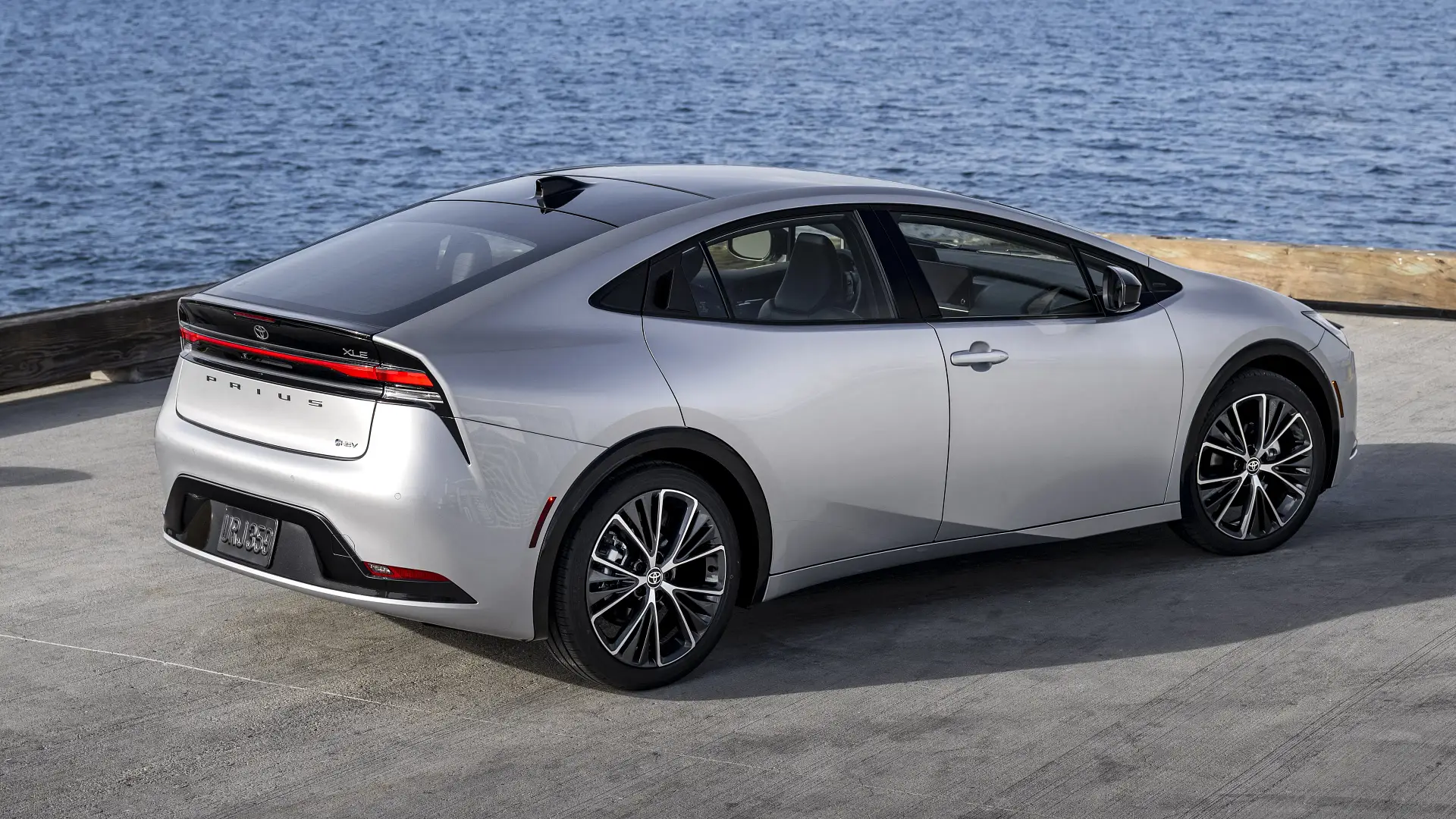
The diminished advantage of the Prius’s unique hybrid efficiency was another factor that likely influenced this change. As Toyota integrated its hybrid powertrains across a wider spectrum of its passenger car lineup, the Prius’s exclusivity in this regard was lessening. Therefore, it needed a new defining characteristic to stand out.
This is where the striking, wedge-shaped design of the current Prius, with its steeply raked windscreen and sleek profile, begins to make sense. It aligns perfectly with Toyoda’s broader strategy to introduce more visually arresting cars. This includes the development of the GR sub-brand for sports cars and the adoption of bolder styling for mainstream models like the Camry and RAV4. The new Prius was intended to be a part of this aesthetically driven evolution.
While Yanai did not elaborate on the specific design language that would have been applied to a “Prius Taxi,” one can infer its potential direction. The JPN Taxi’s emphasis on a tall roofline and a passenger-focused rear cabin could have significantly influenced the styling of a dedicated Prius taxi. This would likely have resulted in a more conventional, spacious, and perhaps less aerodynamically focused vehicle compared to the current iteration.
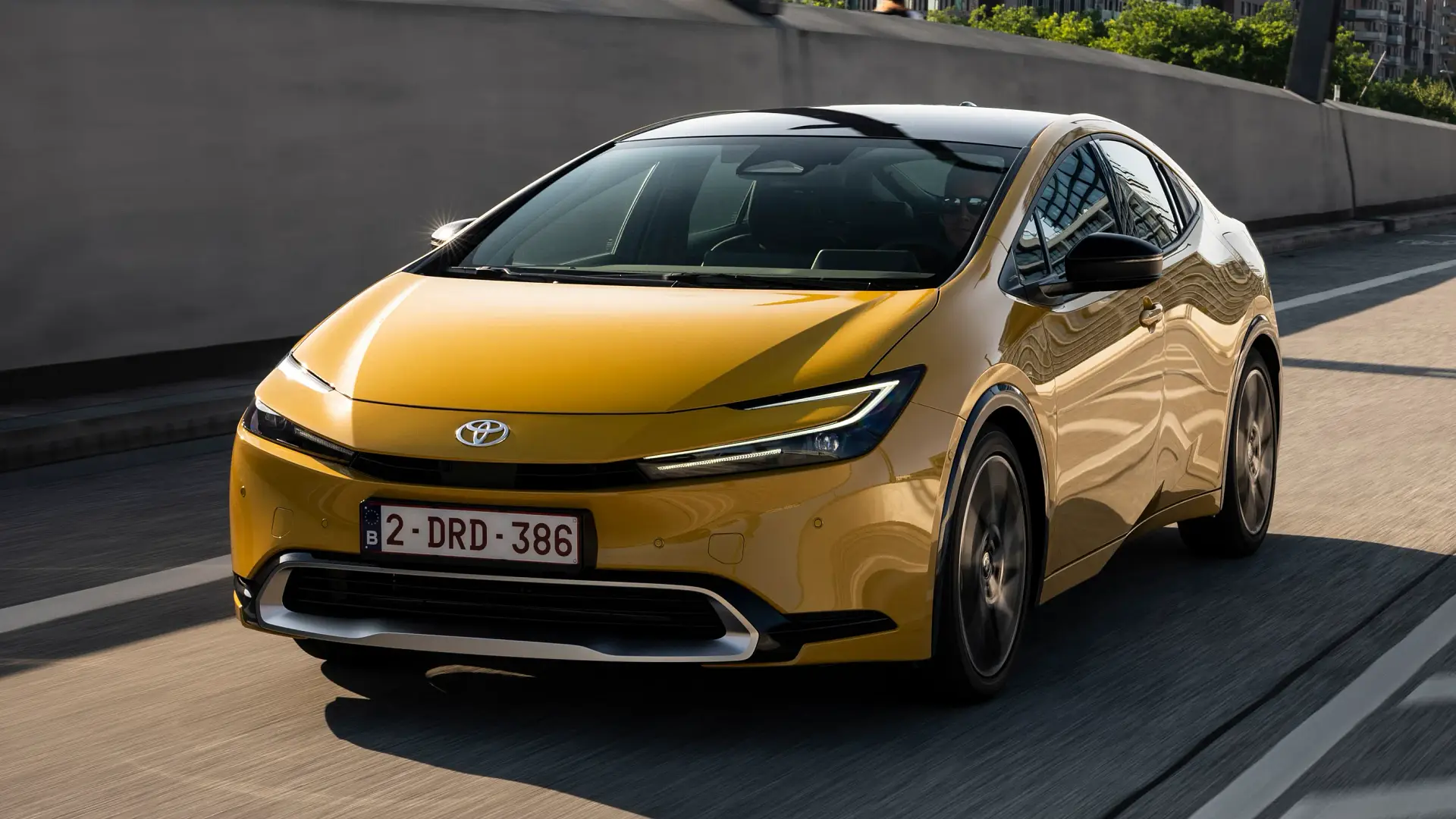
Despite its more coupe-like, sporty styling, the fifth-generation Prius has found its way into taxi fleets in various cities globally. This demonstrates the inherent practicality and efficiency that still underpin the model, even with its design transformation. However, in Australia, the latest Prius is not officially offered by Toyota. Local availability relies on private imports, a situation that underscores the model’s shift away from a purely utilitarian, fleet-focused future towards one that prioritises design and driver engagement. The journey from a potential taxi workhorse to a head-turning hybrid icon is a testament to Toyota’s willingness to adapt and innovate.