The Rise and Struggles of Chinese Car Brands in Australia
Not all Chinese car brands are thriving in the Australian market this year. While some have managed to carve out a significant presence, others are finding it increasingly difficult to gain traction in a highly competitive environment.
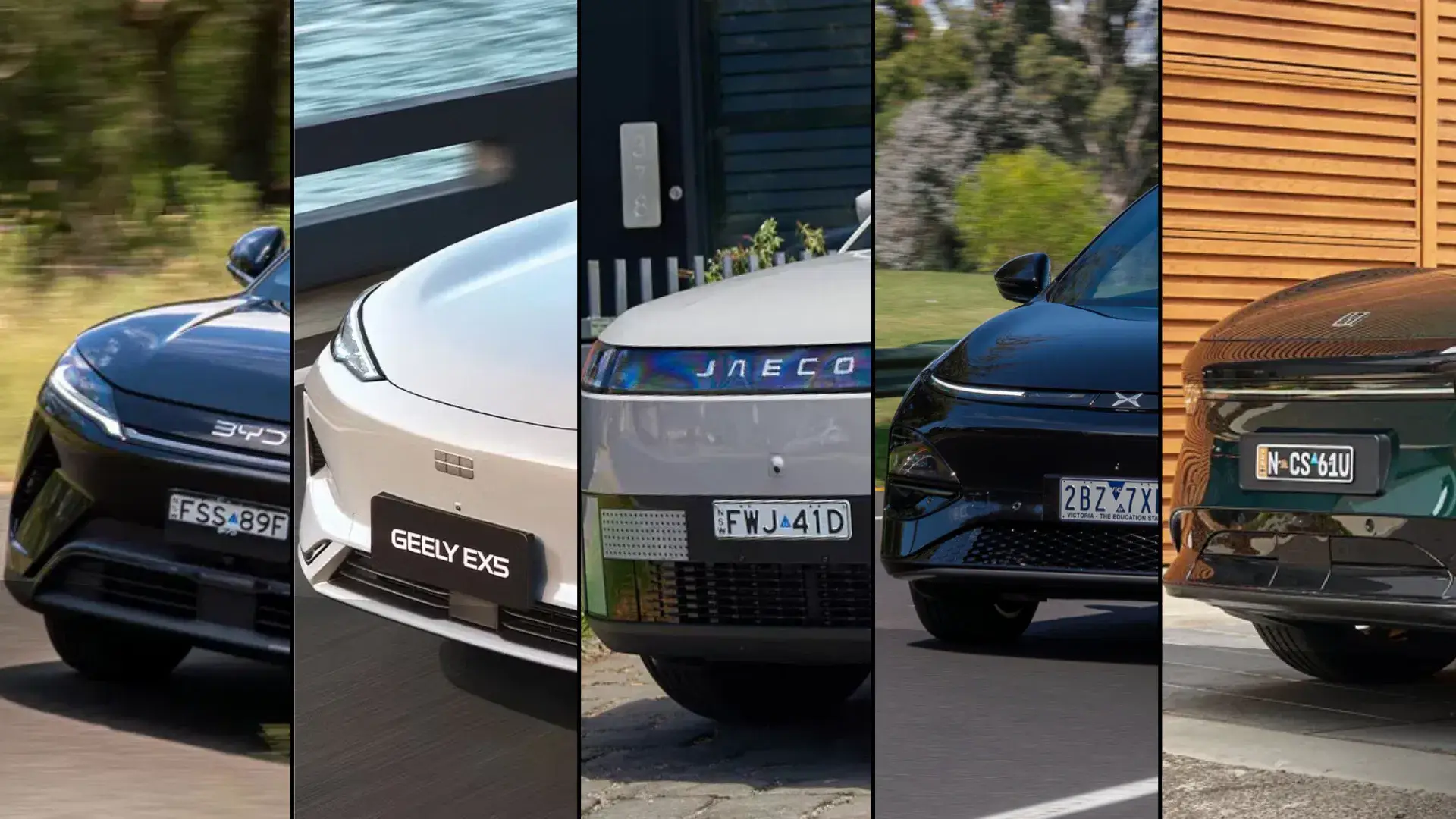
China has now become the largest source of new cars in Australia, but not all Chinese brands are enjoying the same level of success. Some are making waves, while others are struggling to keep up with the demand.
BYD: A Strong Contender
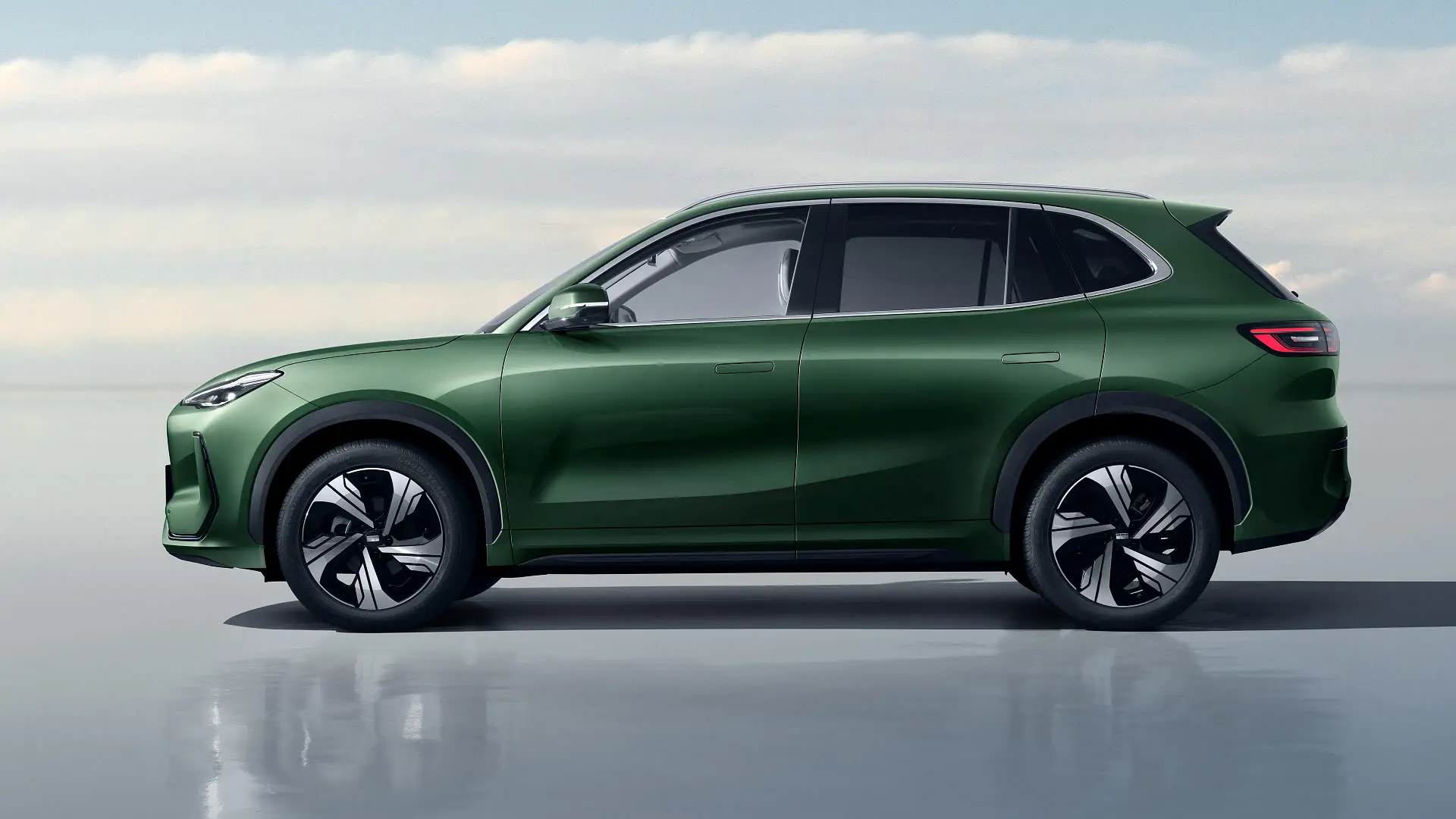
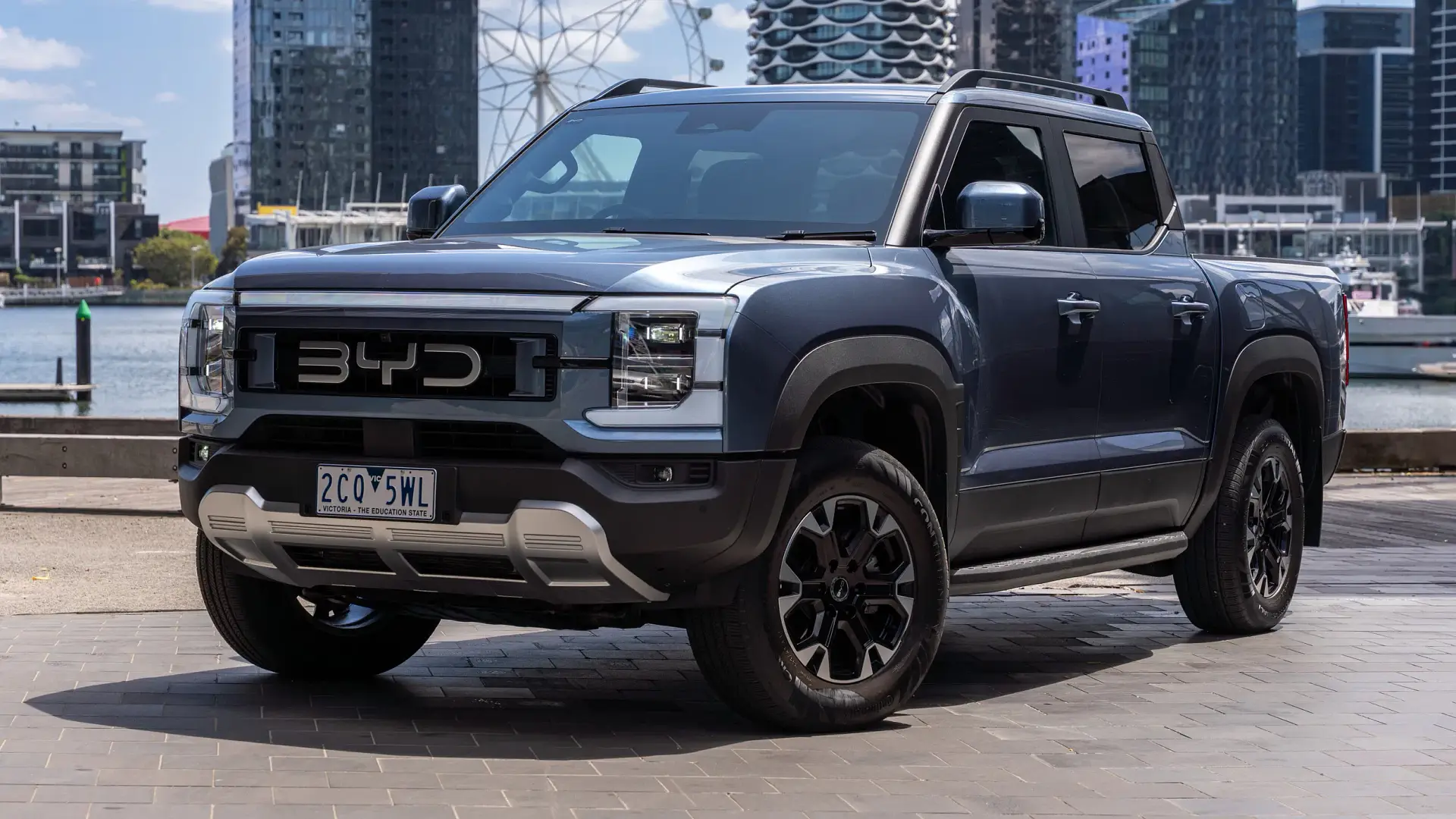
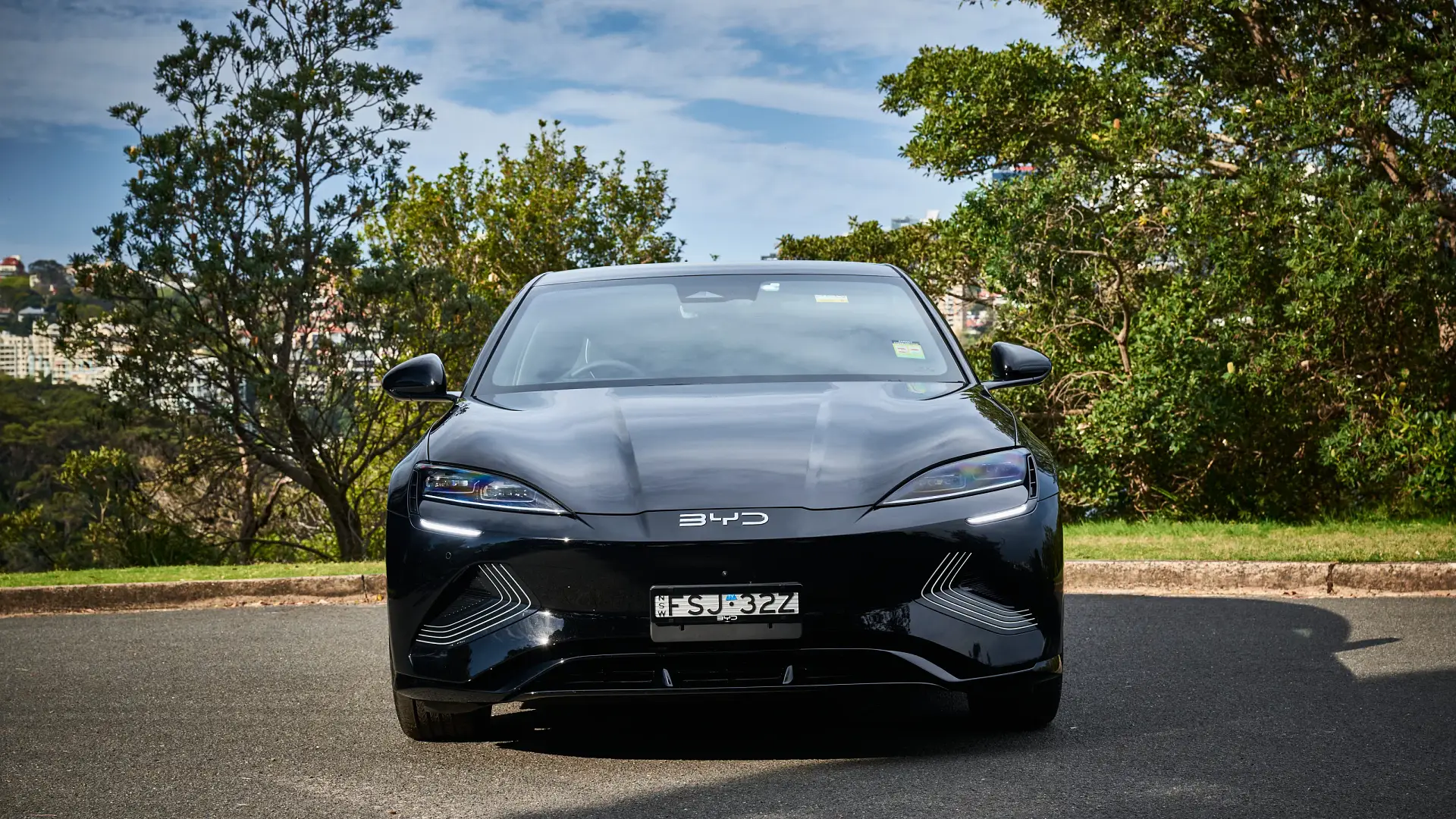
BYD, which is currently Australia’s second-best-selling brand, has seen a remarkable increase in its year-on-year share by 110.8 per cent, reaching 25,243 units. This growth is driven by models such as the Sealion 7 all-electric family SUV, which has seen a 324.2 per cent increase in sales compared to last year, with 6,248 registrations.
Other popular models from BYD include the Dolphin, Atto 3, and Seal. New additions like the Atto 1, Atto 2, Sealion 5, and Sealion 8 are also contributing to the brand’s success.
However, not all models are performing equally well. The Sealion 6 plug-in hybrid SUV and Shark 6 ute have experienced a slight decline in sales, with decreases of 2.8 per cent and 20.9 per cent respectively. Nevertheless, the Shark 6 is set for a range expansion that could boost its performance.
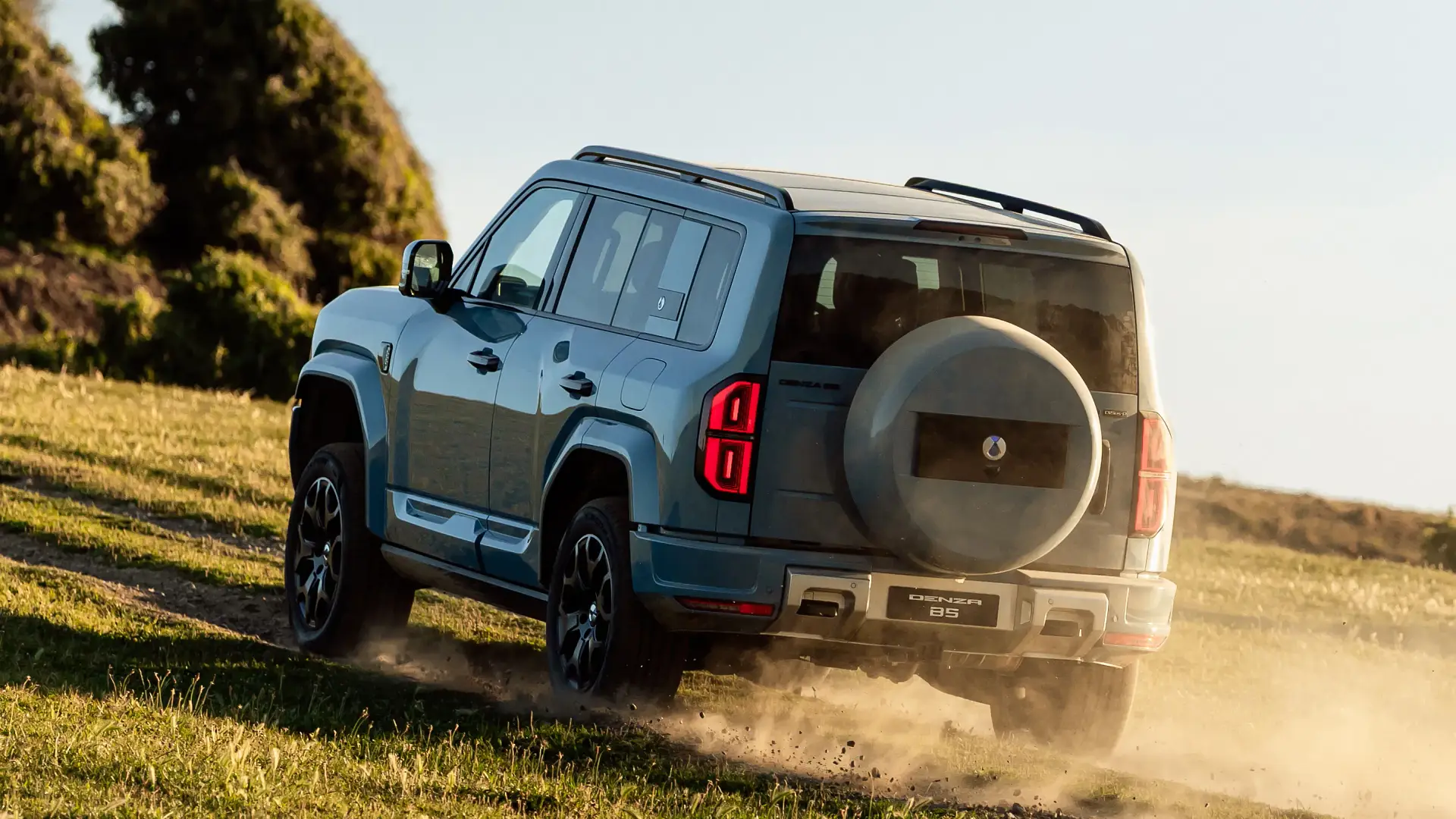
Denza, BYD’s premium sub-brand, has also made an impact despite launching with just two models. The B5 SUV, which competes with the Toyota Prado, has found 729 new homes, while the larger B8 has recorded 394 sales.
Chery and Geely: Gaining Momentum
Chery has increased its sales by 92.4 per cent this year, largely due to the popularity of the Tiggo 4 small SUV, which has amassed 9,186 sales and is the best-selling small SUV in the country.
Similarly, Geely has enjoyed phenomenal growth, with a 842.8 per cent increase in sales, albeit from a low base. The EX5 all-electric SUV has been the most popular model, with 2,639 sales, while the Starray plug-in hybrid has attracted 2,188 customers.
GWM continues to grow, with a 26.8 per cent increase in sales this year, reaching a total of 19,595 units. The Haval Jolion small SUV, Haval H6, and Cannon and Cannon Alpha ute range are among the most popular models.
Other Notable Performers
Leapmotor, distributed by Stellantis, has also gained ground, with a 116.5 per cent volume growth attributed to the introduction of the B10 all-electric small SUV, which has 234 of the 420 total sales.
Zeekr has seen a massive surge in popularity after introducing its 7X family SUV, which has recorded 2,698 sales so far this year, significantly outperforming other models.
Challenges Faced by Some Brands
Despite the successes of some brands, not all Chinese manufacturers are thriving. MG, once the leading Chinese brand in Australia, has seen a 1.6 per cent decline in sales this year, with a total of 14,273 units sold. However, new models like the QS large SUV, U9 ute, and S5 EV are helping to maintain interest.
JAC is also struggling, with a 55.2 per cent drop in sales to 359 units for its T9 ute model. LDV, which specialises in off-road models, vans, and people movers, has lost 13.1 per cent of its market share, achieving 4,172 sales despite the launch of the Terron 9.
Newcomers Facing Tough Competition
Several newcomer brands that launched in the last 12 months have struggled to gain traction in the competitive new-car market. Foton has found 429 customers for its ute line-up, while Deepal, another Inchcape-distributed brand, has only registered 423 sales so far this year.
Farizon, a light-commercial vehicle specialist, has recorded just 74 sales this year, but an upcoming range expansion is expected to boost interest. XPeng, distributed by TrueEV, does not report sales data to VFACTS.