Nepal Probe Recommends Prison for Ex-PM Oli Over Deadly Protests
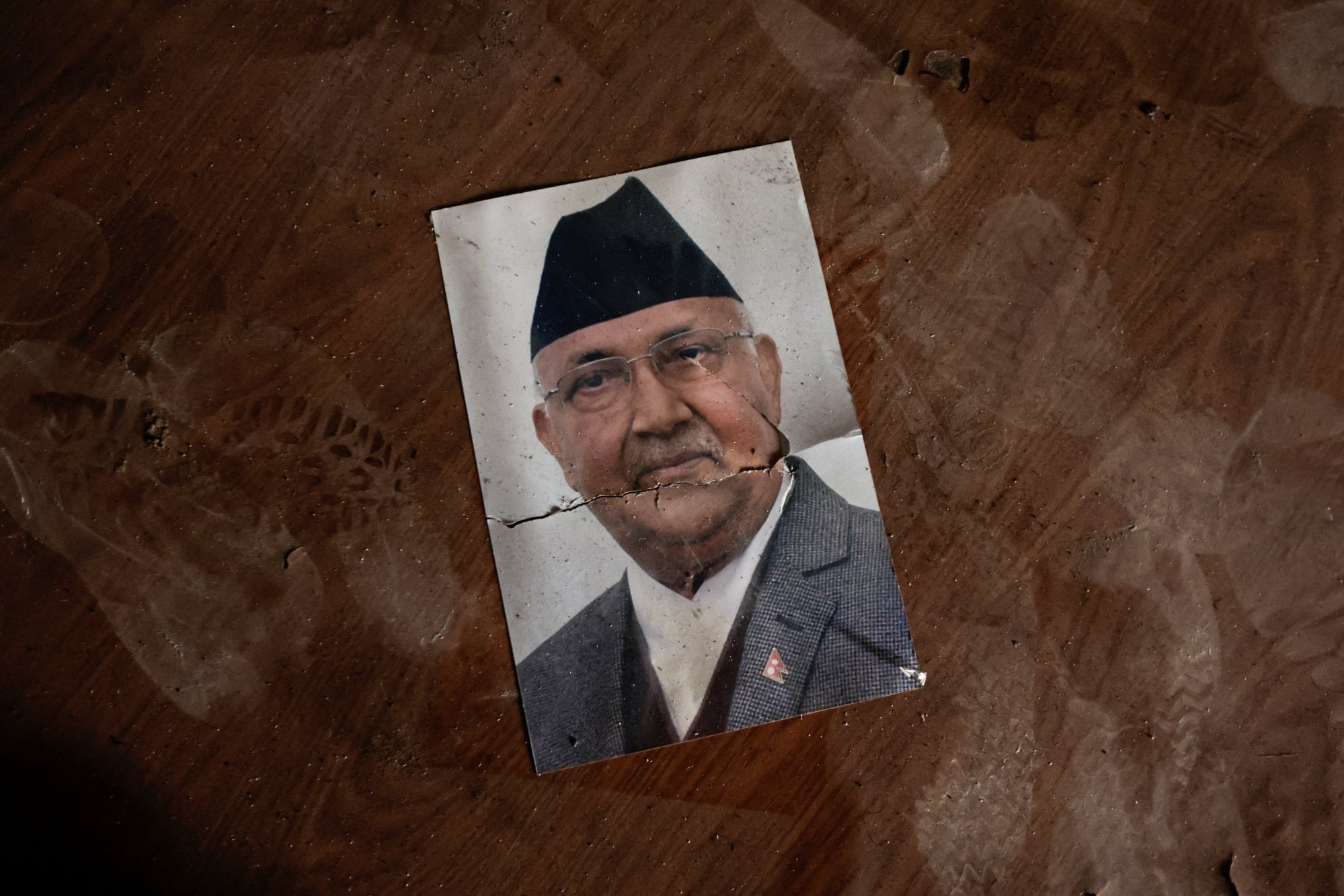
A high-level investigation in Nepal has implicated former Prime Minister K.P. Sharma Oli and other senior government officials, holding them responsible for criminal negligence during a youth uprising last year that resulted in the deaths of 76 individuals. The leak of this pivotal report to a local publication has ignited widespread criticism due to the sensitive nature of its findings.
The committee, chaired by former judge Gauri Bahadur Karki, has recommended the investigation and prosecution of Oli, his former Home Minister Ramesh Lekhak, and ex-Inspector General of Police Chandra Kuber Khapung. The report cites their “negligent and careless conduct” as a direct cause for the significant number of casualties. The probe suggests potential prison sentences of up to 10 years for these officials.
The report explicitly states, “There was a deliberate violation of duty. There was no effort made to stop it… or to issue corrective orders to stop the use of lethal force.”
Key Findings and Recommendations:
- Criminal Negligence: The report identifies deliberate violations of duty and a failure to issue corrective orders to prevent the use of lethal force.
- Prosecution Recommended: Former Prime Minister K.P. Sharma Oli, ex-Home Minister Ramesh Lekhak, and former Inspector General of Police Chandra Kuber Khapung are recommended for investigation and prosecution.
- Potential Sentences: The report proposes prison sentences of up to 10 years for officials found guilty of negligence.
- Role of Security Forces: The report also scrutinizes the actions of the Nepal Army, Nepal Police, and Armed Police Force, recommending disciplinary or legal actions for mishandling the events.
The 900-page report was reportedly leaked to local media, with the Nepali tabloid Jana Aastha being the first to publish details. This occurred two weeks after the report’s submission to the interim government. The leak has surfaced as Nepal prepares for the inauguration of a new government, drawing criticism that the outgoing interim administration, led by Prime Minister Sushila Karki, had kept the report confidential.
Youth activist Pradip Gwayali emphasized the need for transparency, stating, “The Nepal government must now officially make the investigation public so that we know the veracity of the full report.” He further noted that while the leaked report details events of September 8, it lacks a thorough account of what transpired on September 9, an aspect that requires full investigation.
Background of the Uprising:
The unrest began on September 8, when thousands of young Nepalis, predominantly from Generation Z, protested government actions, including a social media ban. The subsequent forceful crackdown by security forces escalated into riots and arson the following day. Protesters targeted significant public buildings, including the government secretariat and the supreme court, as well as schools and businesses, resulting in an estimated 8.5 billion Nepalese Rupees (approximately US$57.8 million) in damages.
Analysis of Fatalities:
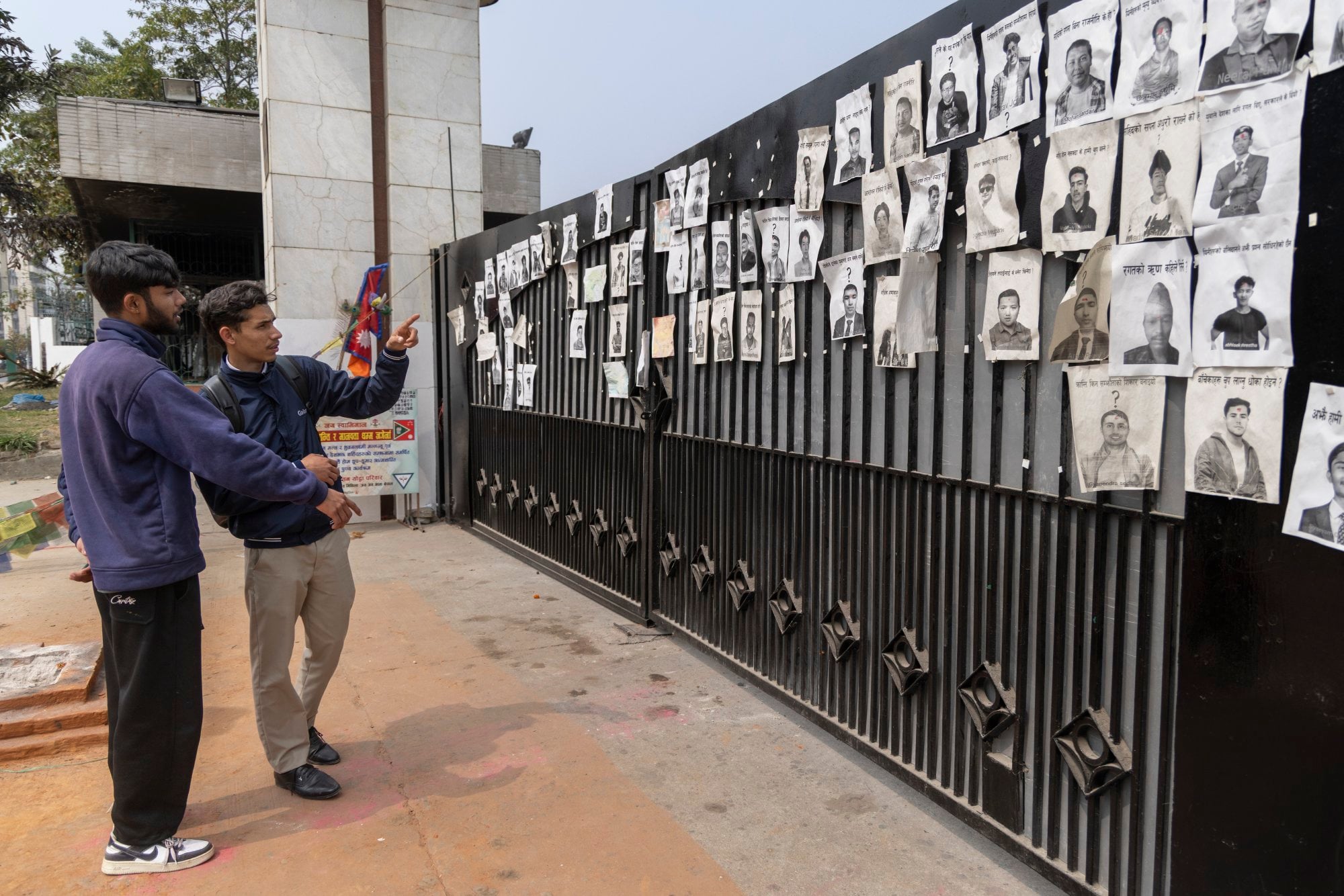
The report’s findings regarding the casualties are stark. Of the 63 bodies examined for autopsy, 48 were confirmed to have died from gunshot wounds. These deaths are attributed to “reckless and negligent actions” by officials. A concerning detail is that many victims were shot in the chest, head, neck, and abdomen, with a significant number of those deceased, 35, being between the ages of 14 and 29.
The committee meticulously gathered information, interviewing over 200 individuals. These included politicians, police officers, protesters, medical professionals, and eyewitnesses from more than a dozen districts to compile the comprehensive report.
Criticism and Calls for Accountability:
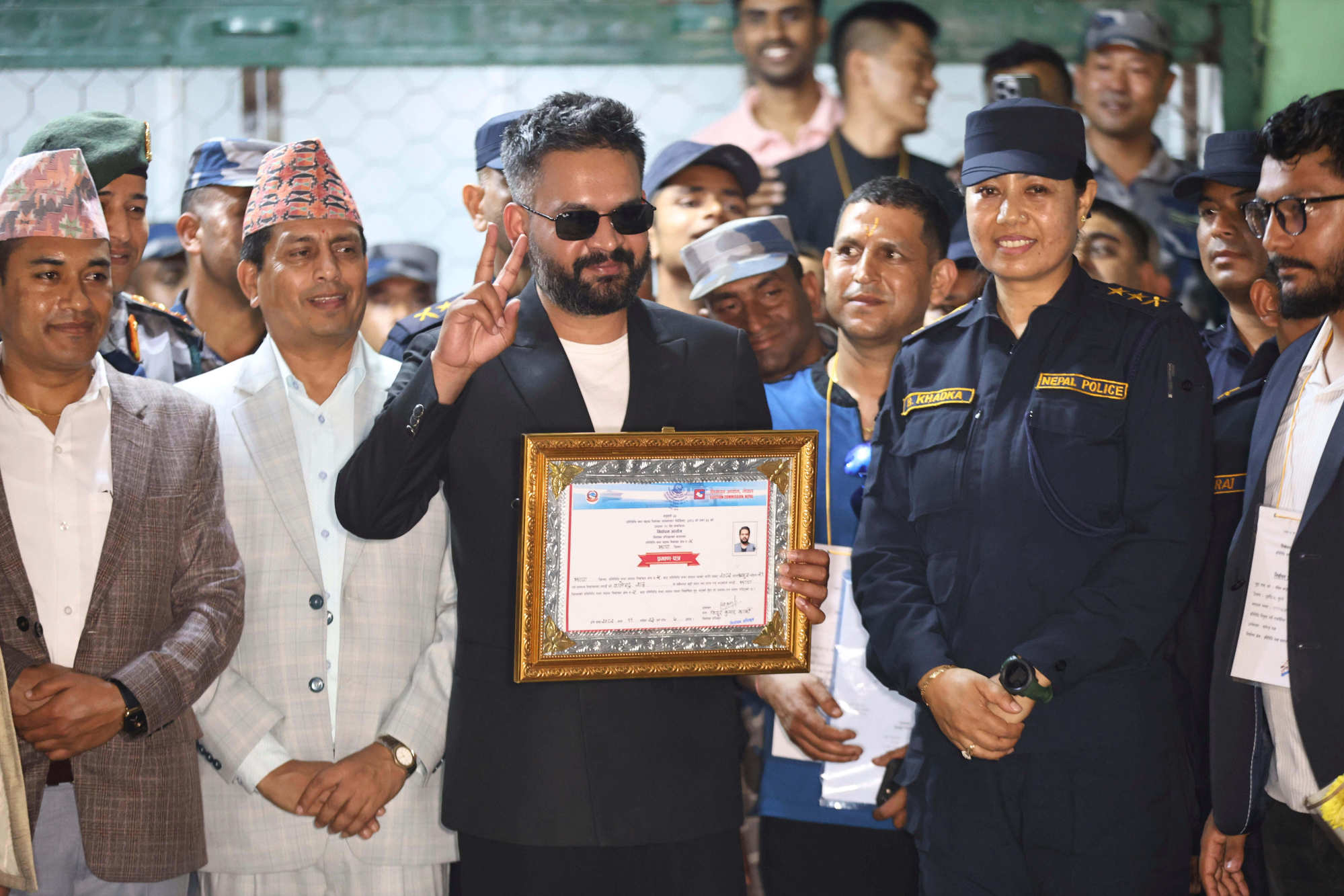
Following the report’s leak, the interim government pledged to release it but provided no specific timeline. This commitment comes less than 24 hours before the new Prime Minister, Balendra Shah, is set to take office on Friday, following his party’s decisive victory in the March 5 general election.
Legal and political experts have voiced concerns that the interim government should have proactively released the report to the public, rather than allowing it to be leaked. Sushil Kumar Pant, a senior advocate and former Attorney General of Nepal, described the leak as an exposure of the interim government’s “incompetence.” He argued that a document of such national importance should have been handled with greater security, rather than being submitted to the prime minister’s office like an “open book.”
Pant further commented that the report resembles a “FIR [first information report],” noting that it identifies areas requiring further investigation rather than definitively assigning culpability. He clarified that the document grants authority for investigation and serves as a guide for prosecution, rather than being a direct prosecutorial order.
While social media has seen a surge in calls for Oli’s arrest, legal experts stress the importance of adhering to due process. Pant cautioned against any immediate arrests, suggesting they could be perceived as “political revenge” and urged the police and public prosecutors to conduct thorough investigations.
Denials and Further Accusations:
K.P. Sharma Oli has vehemently denied any wrongdoing. He reportedly informed investigators that directives for police action originated from the Home Ministry, not the Prime Minister’s Office, and asserted that “the prime minister is not accountable in this matter.”
The report also casts a critical eye on the conduct of security forces. It recommended disciplinary or legal actions against personnel from the Nepal Army, Nepal Police, and the Armed Police Force, as well as against former chief district officer of Kathmandu, Chhabilal Rijal, then-Home Secretary Gokarna Mani Dawadi, and former head of the National Investigation Department, Hutaraj Thapa. They are accused of “causing death by negligence.”
The report’s observations on the use of force are particularly damning: “Based on the visual evidence observed during inspection, it appears that the use of force by the security agencies was not targeted but rather indiscriminate. Security personnel used extensive force against what was initially a peaceful assembly, including firing bullets, using tear gas and batons, resulting in loss of life.”
Implications for the New Government:
Constitutional law expert Bipin Adhikari expressed disappointment over the report’s leak, especially given its implications for national security. He suggested that the interim government should have engaged in coordination with the incoming administration, which will be responsible for implementing the report’s recommendations.
“This report will have big repercussions, and the Nepali public needs to know what the overall understanding of the government of Nepal is on this critical issue,” Adhikari stated. He also clarified that arrests cannot be made solely based on the report, emphasizing that it can highlight specific incidents but does not preempt the judicial process.
Activists are urging the incoming government to restore public trust by fully implementing the committee’s recommendations. They warn against a repeat of past practices where such reports were withheld, hindering accountability. Gwayali reiterated the need for action, stating, “The new government must ensure the report is implemented and carry out additional investigations, where necessary, and move forward without ignoring its findings.”