Decline in Gold Prices in Local and International Markets
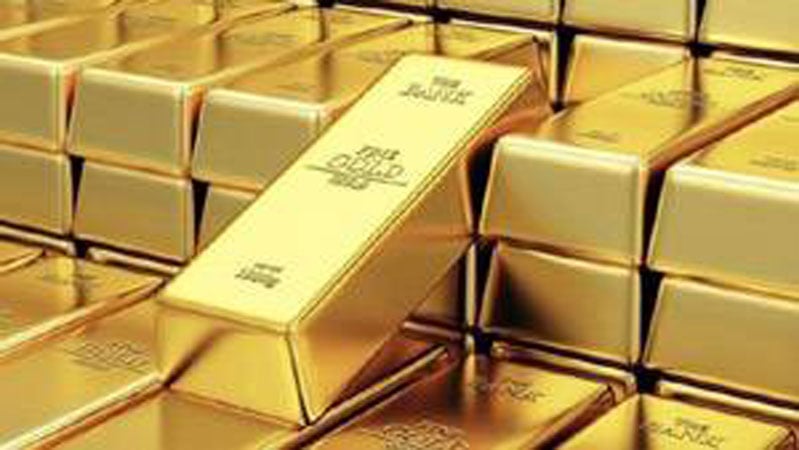
On Tuesday, the prices of gold in the local market experienced a notable decline. According to the rates issued by the All Pakistan Sarafa Gems and Jewellers Association, the price of 24-karat gold per tola dropped by Rs2,500, settling at Rs434,936. This decrease was reflected across different gold weights and purity levels.
- The price of 10 grams of 24-karat gold fell by Rs2,143 to Rs372,887.
- The price of 10 grams of 22-karat gold also declined, dropping by Rs1,965 to Rs341,825.
This downward trend in gold prices was not limited to the local market. In the international market, the price of gold saw a reduction of $25, settling at $4,125 per ounce. This indicates that the global economic factors influencing the precious metals market are having a ripple effect on local pricing.
In addition to the drop in gold prices, silver also experienced a decline in value. The price of silver per tola decreased by Rs120 to Rs6,559. Similarly, the price of 10 grams of silver went down by Rs103 to Rs5,623.
- The price of silver in the international market also declined, with a drop of $1.20 per ounce, settling at $60.80.
The association reported these changes, highlighting the interconnected nature of the global precious metals market. Factors such as inflation, currency fluctuations, and geopolitical tensions often influence the prices of gold and silver. These elements can cause shifts in demand and supply, leading to variations in market rates.
The decline in both gold and silver prices may have several implications for consumers and investors. For individuals holding gold or silver, this could mean a potential loss in value, depending on the timing of their purchases. On the other hand, it might present an opportunity for those looking to buy at lower prices.
Investors and traders often monitor these price movements closely. They may adjust their strategies based on anticipated trends, seeking to capitalize on market fluctuations. The behavior of large institutional investors can also impact the market, as their buying or selling activities can influence overall demand.
Economic indicators such as interest rates, central bank policies, and global trade dynamics play a significant role in determining the direction of precious metal prices. When interest rates rise, the cost of holding non-yielding assets like gold increases, which can lead to a decrease in demand. Conversely, when interest rates fall, gold becomes more attractive as an investment.
Inflation is another key factor. During periods of high inflation, gold is often seen as a hedge against the erosion of purchasing power. However, if inflation is controlled and the economy remains stable, the demand for gold may decrease.
Geopolitical events, such as conflicts or political instability, can also drive up the price of gold. Investors tend to seek safe-haven assets during times of uncertainty, which can increase the demand for gold and push its price higher.
Overall, the recent decline in gold and silver prices reflects the complex interplay of various economic and market forces. As the global financial landscape continues to evolve, it will be important to monitor these trends and understand their potential impacts on both individual investors and the broader market.