A Family’s Struggle for Justice After Being Denied Access to a Plane Bathroom
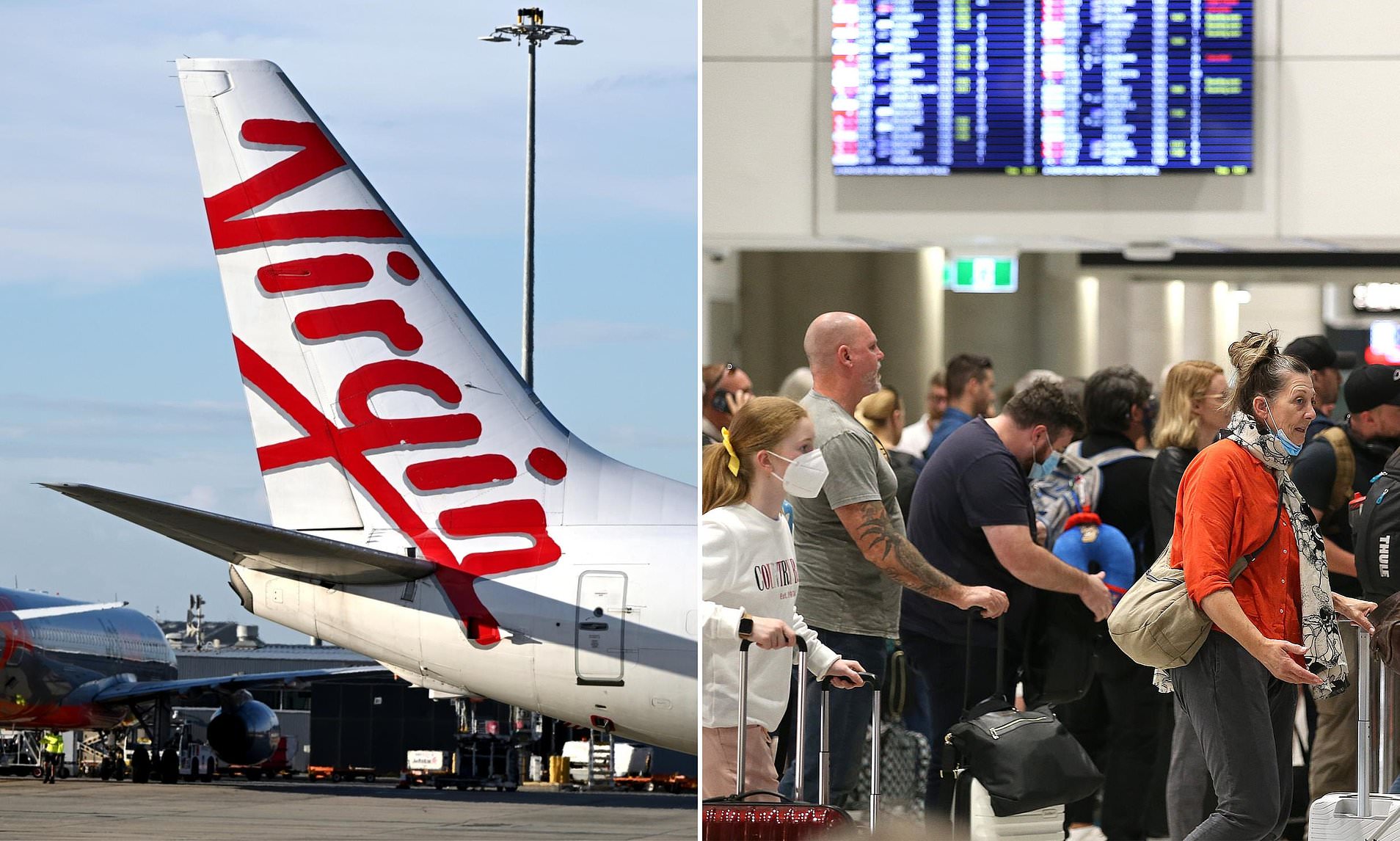
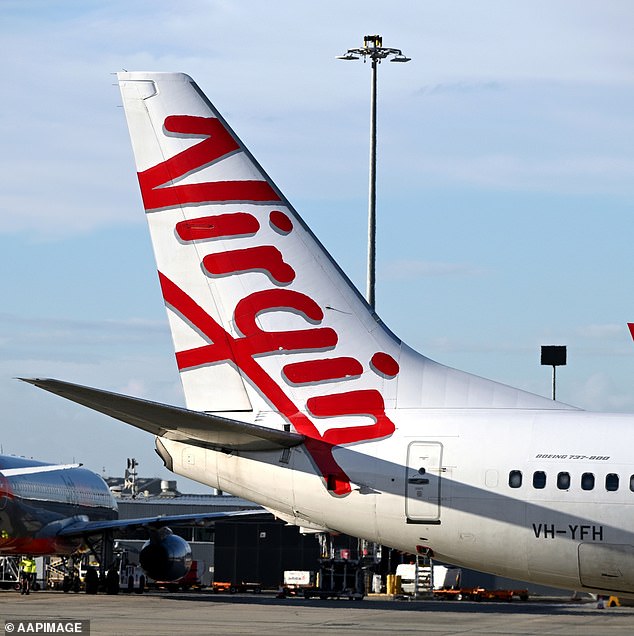
A family from western Sydney is taking legal action against Virgin Australia and the Australian federal government, claiming that their disabled twins were subjected to discrimination during a flight to Bali in 2025. The case highlights the challenges faced by families with children who require special assistance when traveling.
The twins, whose identities have not been disclosed, have mobility, balance, and endurance issues that necessitated wheelchair use during a July 2025 flight from Brisbane to Denpasar, Bali. According to court documents, the children were allegedly denied access to the forward aircraft lavatory, which is typically used by passengers with disabilities. Instead, they were forced to navigate the entire length of the aircraft cabin without assistance, despite Virgin Australia’s prior knowledge of their condition.
This denial of access was described as a significant breach of the airline’s duty of care. The parents argue that no reasonable adjustments were made to accommodate the children, leading to an environment that was both inaccessible and unsafe. As a result, the twins experienced psychological distress and functional regression, including heightened anxiety, fear of air travel, and increased dependency on their parents.
Legal Action Against Virgin Australia and the Federal Government
In addition to suing Virgin Australia, the family has also taken legal action against the Department of Foreign Affairs and Trade (DFAT) over alleged failures to provide adequate support after they became stranded in Bali in August 2025. The parents claim that DFAT compounded the harm by providing inaccurate information to other Commonwealth agencies and prematurely withdrawing support.
The family also alleges that Bain Capital, the parent company of Virgin Australia, failed to intervene in August 2025 to prevent further discriminatory conduct. This, they say, disrupted the family’s support arrangements, including reliance on extended family carers, and caused ongoing anxiety and loss of confidence in accessing public and transport services.
The mother and father describe experiencing psychological distress and trauma from witnessing their children being discriminated against and from dealing with the aftermath of being stranded in Bali.
Seeking Compensation and Policy Changes
The family is seeking compensation, including damages and aggravated damages from Virgin Australia and Bain Capital. They are also requesting orders that would require the airline to correct its governance and policies to prevent similar incidents in the future.
Before filing the lawsuit in the Federal Court, the matter was brought before the Australian Human Rights Commission. In December 2025, the commission decided to terminate the complaint. Delegate Rachel Holt found that the discrimination claims against Virgin Australia were reasonably arguable but could not be resolved through private negotiations. However, she ruled that the claims against Bain and DFAT lacked substance, stating that Bain was not aware of the children’s disabilities. Additionally, any shortcomings in DFAT’s consular assistance were not linked to the boys’ physical conditions.
In submissions to the human rights commission, DFAT denied breaching discrimination law, arguing that the family could not demonstrate how they had been treated less favorably than someone without a disability.
Ongoing Legal Proceedings
Virgin Australia has not commented on the ongoing court proceedings, except to confirm that the airline is aware of the allegations. DFAT has also been contacted for comment.
This case underscores the importance of ensuring that airlines and government agencies provide appropriate support for travelers with disabilities. It also raises critical questions about the responsibilities of companies and institutions in preventing discrimination and ensuring accessibility in public spaces.