The Life and Legacy of Lee Chang-geon: A Pioneer in South Korean Nuclear Energy
Lee Chang-geon, a key figure in the development of South Korea’s nuclear energy industry, passed away on the 6th at the age of 96. Known as the “father of South Korean nuclear energy,” his contributions spanned from the operation of the country’s first nuclear reactor to the selection of the first nuclear power plant site and the advancement of small reactor technology. His journey began in a time of great uncertainty, marked by the division of the Korean Peninsula and the challenges of war.
Born in 1930 in Cheonju, North Pyongan Province, Lee moved south with his family in 1947 and settled in Seoul. He attended Paichai High School and later enrolled in the Department of Electrical Engineering at Seoul National University in 1949. However, his studies were interrupted by the outbreak of the Korean War in 1950. During this time, he was recommended to join the Kello unit, an intelligence group established by the U.S. military to gather information and conduct guerrilla warfare in North Korea.
In the Kello unit, Lee played a crucial role in decoding messages from agents infiltrated into North Korea and designing equipment needed for infiltration operations. Despite the risks, he remained committed to his work, though the loss of several comrades left a lasting impact on him. He often recalled the pain of those who never returned after entering North Korea before the armistice.
Lee’s connection with nuclear energy came unexpectedly. In 1953, after the armistice, a senior at his university encouraged him to study. He met others interested in nuclear technology by sharing an English original book in a warehouse. As the youngest member of the group, he typed the only book all night and made multiple copies. This group, known as the “Nuclear Study Group,” would later play a pivotal role in shaping South Korea’s nuclear policy.
Despite the country’s low per capita national income, the Syngman Rhee government invested heavily in education, sending students abroad with significant funding. Lee was one of them, studying at the International School of Nuclear Energy under the U.S. Argonne National Laboratory. In 1959, while preparing to return home, he received an urgent order to obtain a driver’s license for the U.S. research reactor “TRIGA Mark-Ⅱ.”
This opportunity led to his becoming the first Korean to obtain a reactor driver’s license. He worked with determination, believing that the government’s investment in overseas research officers was akin to the weight of each person in gold. He often referred to himself as an “ordinary tree” that burned itself to bring warmth and light to these “gold teachers.”
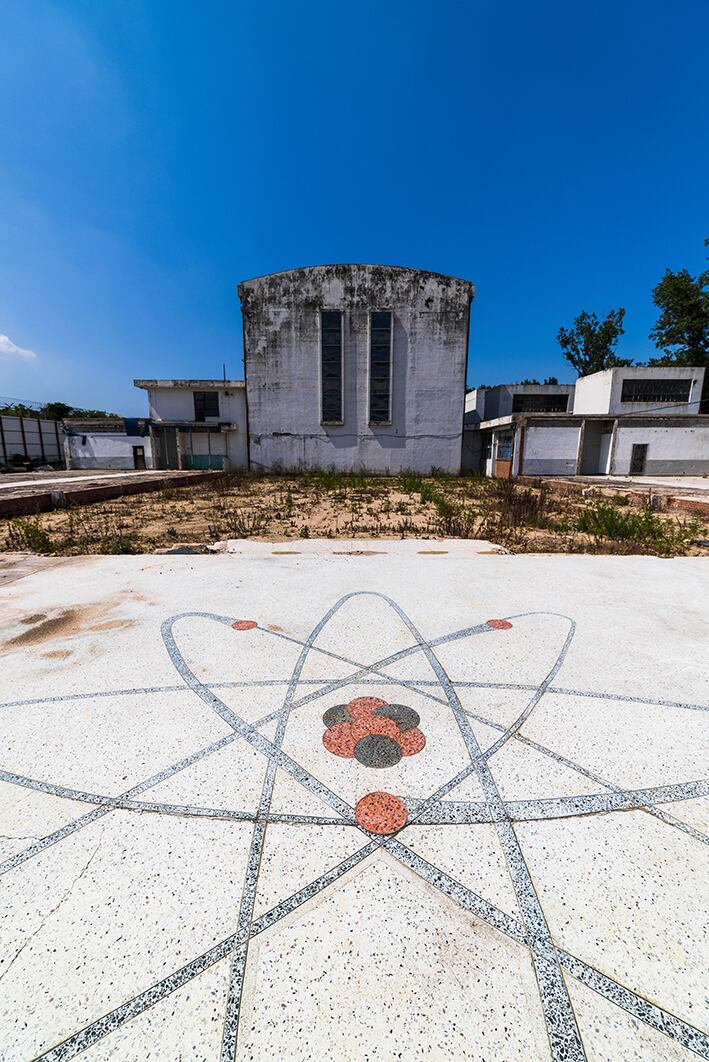
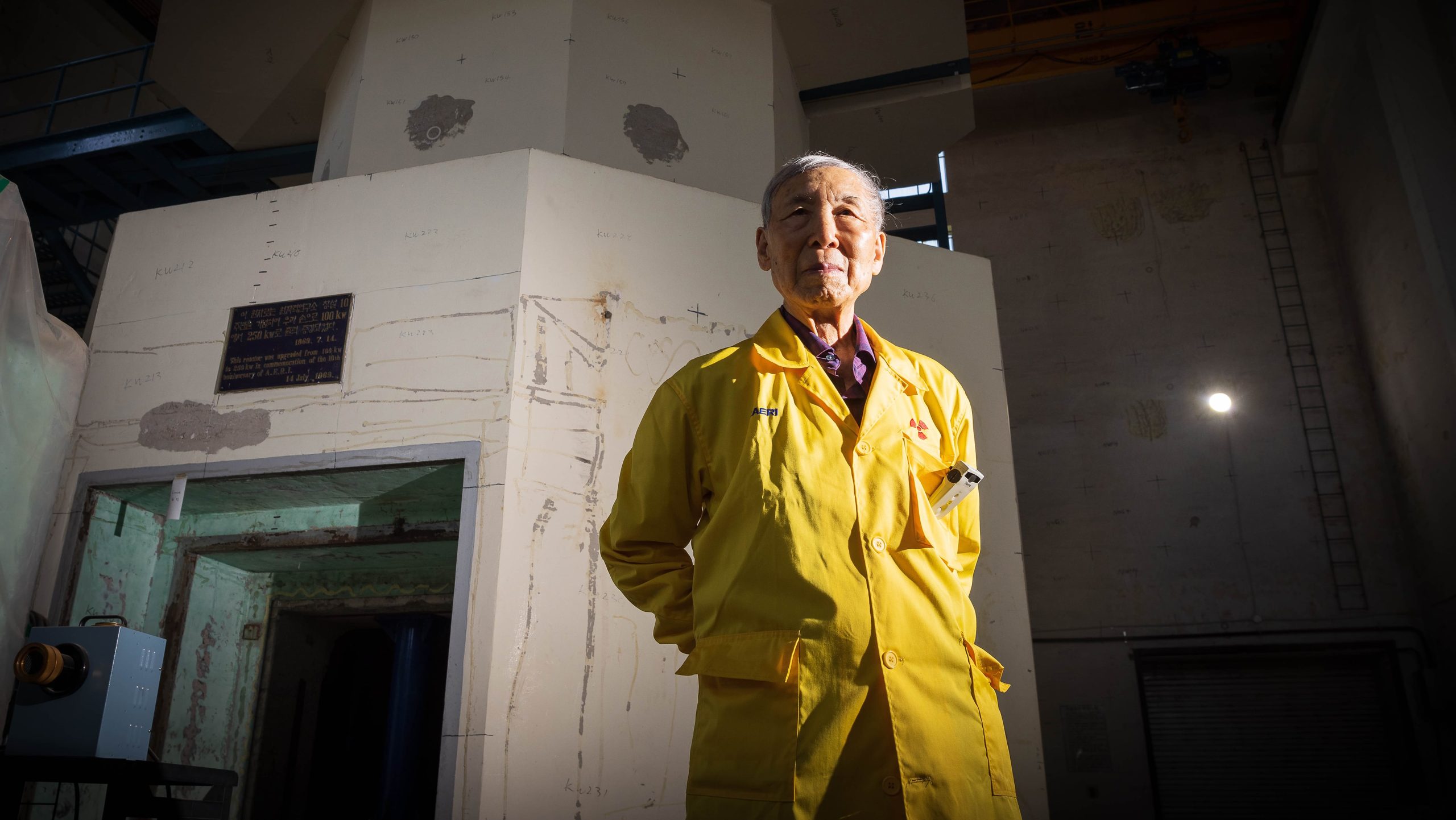
The TRIGA Mark-Ⅱ, which began operation under his hands in 1962, became the birthplace of South Korea’s nuclear power technology. It trained hundreds of nuclear experts and achieved a significant milestone in 1969 by increasing the reactor’s output from 100 kW to 250 kW, drawing global attention.
Finding the site for South Korea’s first nuclear power plant was also a major responsibility for Lee. He scoured the entire coastline to find the optimal location, facing challenges such as being mistaken for a spy due to his dialect. Eventually, he found the site in Gori, Janganeup, Gijang-gun, Busan. With the Kori-1 nuclear reactor entering commercial operation in 1978, South Korea became the 21st “nuclear power nation” in the world.
Throughout his career, Lee held various leadership roles, including head of the Korean Nuclear Society and chair of the Korea Electric Power Industry Technology Standards (KEPIC) Executive Committee. He contributed to the standardization of South Korea’s nuclear power industry, covering power plant design, manufacturing, construction, operation, and decommissioning. He also played a key role in advancing the technology of “SMART,” South Korea’s first domestically developed small reactor.
In 2017, Lee was honored as a “Science and Technology Merit Person of South Korea” by the government and received the Hongjo Geunjeong Medal and the March 1st Cultural Award. His legacy continues to influence the growth of South Korea’s nuclear energy sector.